The Museum of Pre-Columbian Art
The Museum of Pre-Columbian Art
Located on Plaza Nazarenas in Cusco, the MAP brings together 450 pieces from pre-Columbian Peruvian cultures within a 17th-century colonial mansion.
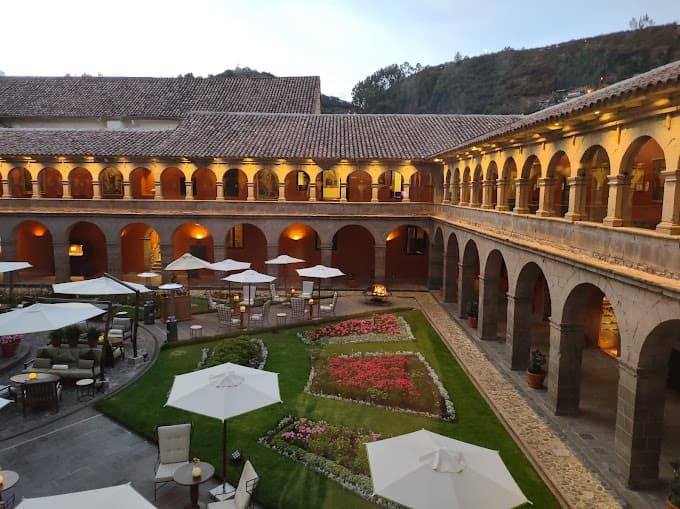
Located on Plaza Nazarenas in the San Blas district of Cusco, the Pre-Columbian Art Museum (MAP) houses approximately 450 pieces from Andean cultures that flourished before the Spanish conquest. The collection spans nearly three millennia of art, from 1250 BC to 1532 AD, the year the conquistadors arrived. The museum occupies Casa Cabrera, a 17th-century colonial residence built atop the foundations of an Inca structure.
Why visit the MAP in Cusco
The MAP offers an aesthetic interpretation of pre-Columbian civilizations, with an exhibition organized by cultures and materials rather than as a purely archaeological presentation. The pieces were curated by art historian Cecilia Bákula and painter Fernando de Szyszlo, an approach that emphasizes the visual and sculptural quality of the objects: Mochica ceramics, Paracas textiles, and Inca metalwork.
Part of the collection originates from the Larco Museum in Lima, a partner in the project. For travelers who don't venture down to the coast, the MAP offers a coherent overview of Peru's major ancient cultures without leaving Cusco.
History and origins of the museum
The building, known as Casa Cabrera, is a 17th-century colonial residence. It was constructed atop an Inca site, though its original function remains uncertain: perhaps a kancha (ceremonial courtyard) or yachaywasi (school for children of the Inca elite). This colonial-over-Inca layering is characteristic of Cusco and appears in several buildings throughout the historic center.
The museum opened in June 2003, following a collaboration between the BBVA Foundation (Banco Bilbao Vizcaya Argentaria) and the Larco Museum in Lima. The curatorial approach, entrusted to Cecilia Bákula and Fernando de Szyszlo, presents the works through both chronological and thematic lenses.
What to see in the galleries
The 450 pieces are distributed across 10 exhibition rooms. The route broadly follows the chronology of cultures, with dedicated galleries for precious materials toward the end of the circuit.
Formative Period
The opening gallery features ceramics and textiles from the Salinar, Vicús, Virú, and Paracas cultures. Paracas embroideries, adorned with human, animal, and divine figures, rank among the most remarkable pieces for the intricacy of their motifs and the vibrancy of their dyes.
Chavín
Chavín culture (900–200 BC) disseminated an influential iconographic repertoire throughout the central Andes. The gallery displays ceramics, stone sculptures, and metal objects featuring geometric and zoomorphic motifs linked to ritual practices.
Nazca and Mochica
Nazca ceramics showcase colorful, stylized patterns inspired by local fauna. The Mochica (100–700 AD), who inhabited the northern coast, are represented through narrative ceramics, among the most expressive works in pre-Columbian art: scenes of daily life, ceremonies, and portraits.
Huari, Chimú, and Chancay
Huari culture, which predated the Inca Empire, demonstrates the widespread diffusion of an Andean style across large territories. The Chimú-Chancay gallery (900–1450) presents the distinctive black pottery of the northern coast and white pottery from the central coast, alongside carved wooden objects.
Inca
The Inca gallery displays ceramics, textiles, and wooden objects. Notably, you'll encounter keros—wooden vessels used for drinking chicha, a fermented maize beverage—as well as stone sculptures of alpacas.
Shells, Gold, and Silver
Three galleries conclude the exhibition organized by material. The Shells gallery presents Spondylus shell pectorals, bone bracelets and pins, many from Mochica culture. The Gold and Silver galleries feature ceremonial objects: vessels, earrings, and nose ornaments reserved for the Inca elite.
Practical information
- Location: Plaza Nazarenas, San Blas district, Cusco
- Recommended visit duration: 1.5 to 2 hours for a complete tour
- Admission: Paid entry, private museum rates (higher than Cusco's public museums)
- Amenities: Auditorium with 120 seats for lectures, café in the central courtyard
- Language access: Labels in Spanish and English; guided tours available upon request
The museum works well for a late-afternoon visit: the soft lighting enhances the pieces and crowds are generally lighter.
When to visit
The MAP is open year-round. The dry season (May to September) coincides with Cusco's peak tourism: expect larger crowds, especially in June-July around Inti Raymi. The rainy season (November to March) makes indoor visits particularly welcome during afternoon downpours. If you've just arrived in Cusco from sea level, the museum is an ideal first-day activity while you acclimatize to the altitude (3,400 meters).
How to get there
Plaza Nazarenas lies about 300 meters northeast of Plaza de Armas, roughly a 5-minute walk through cobbled streets. From Alejandro Velasco Astete Airport, plan for 20 to 30 minutes by taxi depending on traffic. No parking is available directly on the plaza; vehicles stop lower down. Walking from the historic center remains the easiest option.
Nearby attractions
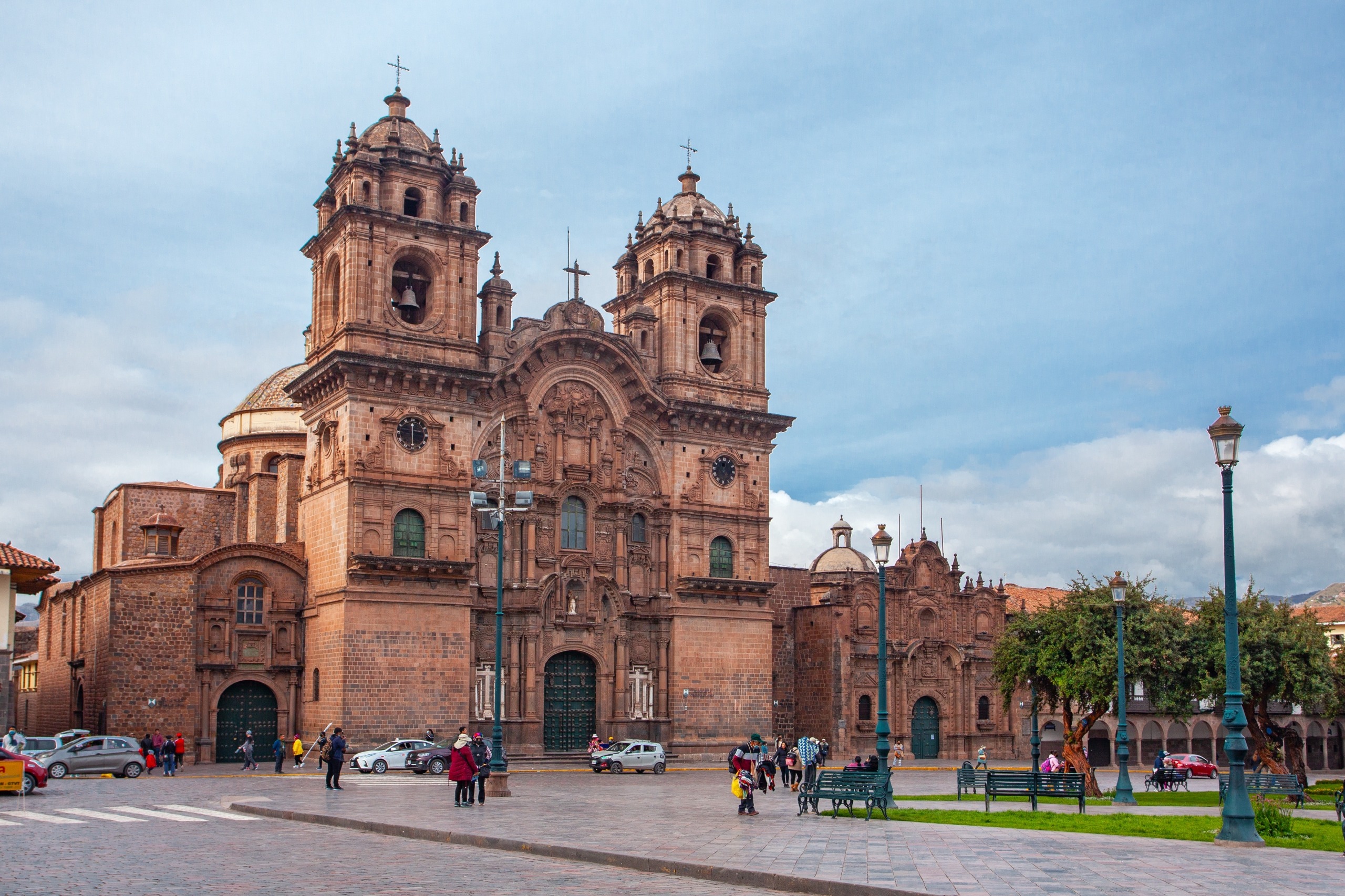
The San Blas district and Cusco's historic center concentrate numerous walkable sites. Immediately nearby, the San Blas church and its artisan workshops complement a culture and art-focused morning. To extend archaeological exploration, several Inca sites are accessible from Cusco: Q'enko on the heights above the city, and the ruins of Ollantaytambo in the Sacred Valley.
Frequently asked questions
Frequently asked questions
Plan for 1.5 to 2 hours to tour the 10 galleries. Visitors with a strong interest in museography or photography may spend a half-day here.
Yes. The visit unfolds on level ground, indoors, with no physical exertion. It's a recommended activity for your first days acclimatizing to Cusco (3,400 meters).
Guided tours are offered primarily in Spanish and English. For English-speaking tours, advance booking through a local agency or independent guide is advisable.
Both are complementary and institutionally linked. The Larco in Lima holds a vastly larger collection. The MAP in Cusco offers a focused and aesthetic selection, better suited if you're not visiting the capital.
The café occupies the central courtyard and is generally accessible to both museum visitors and passersby, independently of the museum's ticket counter.
Extend your discovery of Pérou
The MAP integrates naturally into a circuit around Cusco and the Sacred Valley. To build a journey combining archaeological sites, museums, and Andean landscapes, explore our customized Pérou journeys.
Nearby
Interested in this visit?
We can include it in your personalised itinerary.