Inkariy Museum
Inkariy Museum
Located 53 km from Cusco, the Inkariy Museum tells five thousand years of Andean history across nine thematic rooms, from the Caral civilization to the Inca empire.
About fifty kilometers from Cusco, on the road leading to the Sacred Valley, the Inkariy Museum offers a journey through nine rooms dedicated to Peru's great pre-Columbian civilizations. Opened in 2002 by the Mérida family, it stands out for its distinctive approach: telling Andean history not through archaeological artifacts, but through artistic recreations.
Why visit the Inkariy Museum
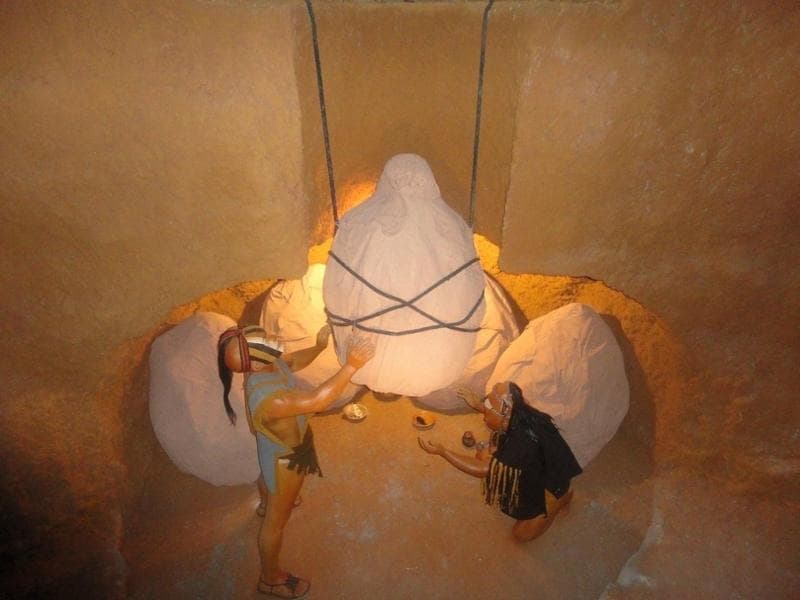
The Inkariy Museum does not display original pieces. Its collection consists entirely of sculptures, paintings, mannequins, and dioramas (staged scenes with sound and lighting effects) created by artists from the Mérida family. This pedagogical approach makes the visit accessible to families and those seeking a comprehensive overview of pre-Columbian cultures before exploring the region's archaeological sites.
The museum's appeal also lies in its structure: nine thematic rooms that span nearly five thousand years of history, from Caral to the Inca empire, following a clear chronological thread. Plan for approximately one and a half to two hours of exploration.
The museum's history and the Mérida family
The project is led by the Mérida family, at the helm of an indigenous artistic movement diffused throughout Latin America. Edilberto and Edgar Mérida, leaders of this movement, passed their practice on to their children and grandchildren, who subsequently founded the museum. The stated objective is to make the history of pre-Columbian cultures accessible to the general public.
The creation of the museum's layout required nearly ten years of work. Rather than assembling period pieces, the Méridas recreated the social, religious, and material universe of Andean civilizations based on archaeological discoveries. This work was carried out in collaboration with Peru's State Cultural Department.
One museum artwork long sparked debate: the sculpture of the god Wiracocha, standing eleven meters high, which occupies the central courtyard. It was created without prior approval from Peru's Ministry of Culture, which drew fierce criticism for several years before being accepted as an emblematic feature of the site.
What to see: the museum's nine rooms
Caral
The first room is dedicated to the Caral civilization, considered one of the oldest in the Americas. It developed in the Supe Valley and built six stone pyramids there, contemporary with the great pyramids of Egypt.
Chavín
The Chavín culture, dated approximately between 900 and 200 BCE, spread across a large portion of northern and central Peru. The room highlights the increasing complexity of religious ritual and mastery of ceramics, with scenes of prostration before stone idols.
Paracas
The next room presents the Paracas through their textiles, terracotta vessels, and staged scenes of their particularly elaborate funeral ceremonies.
Moche
Emerging in the 1st century CE on Peru's north coast, the Moche civilization is highlighted for its intensive agriculture, made possible by an extensive network of hydraulic infrastructure (canals, aqueducts).
Nazca, Wari, Lambayeque, Chimú
Four rooms then survey the Nazca culture (famous for its geoglyphs), Wari (the first great Andean state), Lambayeque (renowned for its goldwork), and Chimú (a coastal kingdom whose capital Chan Chan was the largest adobe city of pre-Columbian America).
Inca
The ninth room concludes the journey with the Inca empire, presenting its social organization, architecture, and religious heritage.
The Wiracocha sculpture
Before leaving the museum, pause in front of the monumental sculpture that dominates the courtyard. Wiracocha is represented here as an Andean deity; originally, he was a 15th-century Inca emperor, elevated to divine status after his death.
Practical information
The museum is open daily with continuous hours. Entry is paid, with moderate rates; a package including lunch is available by reservation. Allow approximately two hours for a complete visit.
The best time to visit aligns with the dry season in the Cusco region, generally May through October. April and November offer a good balance between decent weather and lighter crowds.
How to get there
The Inkariy Museum is located approximately 53 km from Cusco, on the road to the Sacred Valley, near Calca. Several options are available:
- By collectivo or minibus from Cusco heading toward Calca or Urubamba: the most economical option, roughly one and a half hours of travel.
- By private taxi from Cusco: more comfortable, rates to be negotiated in advance, ideal if you wish to combine several Sacred Valley sites in a single day.
- By organized excursion including other stops in the Sacred Valley.
In the area
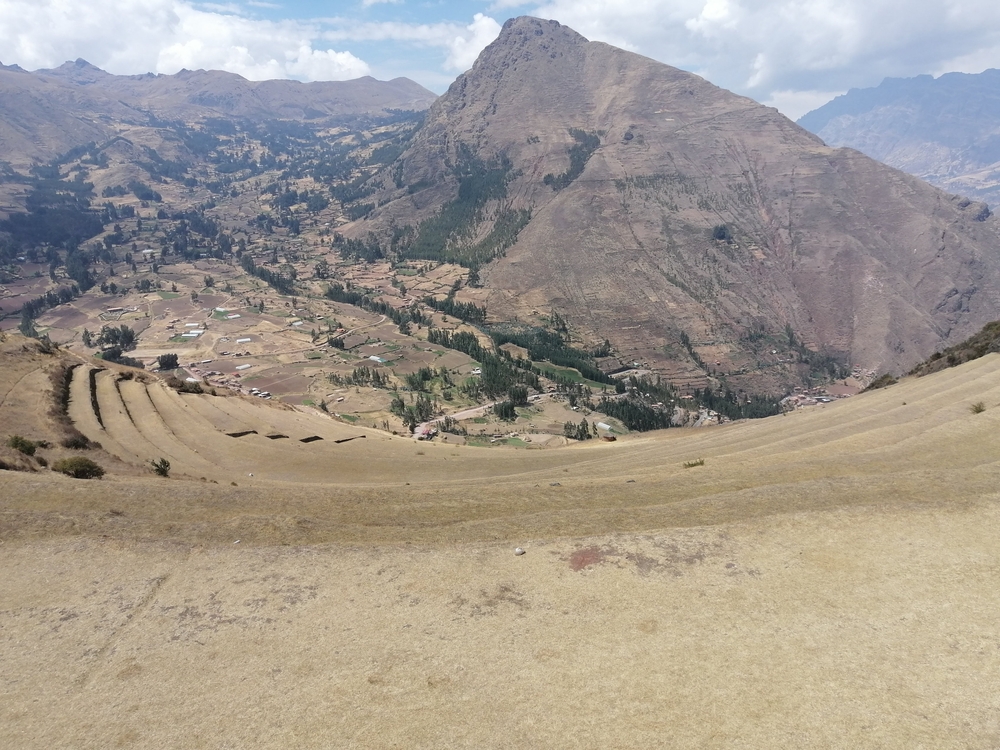
The museum fits easily into a Sacred Valley circuit. Nearby, several sites complement your visit:
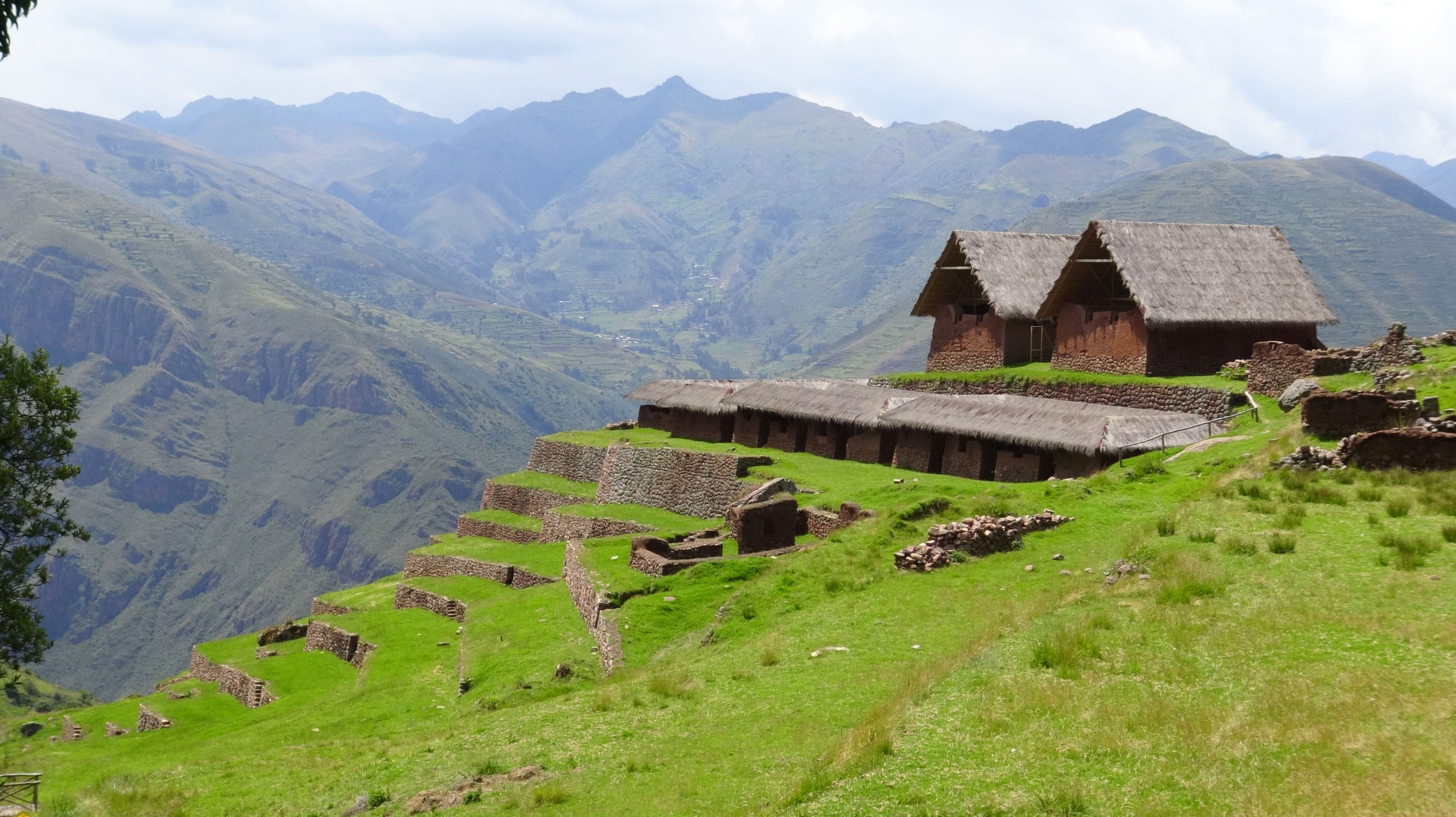
- Huchuy Qosqo, an ancient Inca site perched above the valley.
- Moray and its circular terraced crops.
- Andahuaylillas and its baroque church known as the "Sistine Chapel of the Andes."
- Balcón del Diablo, a viewpoint over the Cusco surroundings.
Frequently asked questions
No. The collection consists entirely of artistic recreations (sculptures, paintings, dioramas) created by the Mérida family based on archaeological data.
Allow approximately one and a half to two hours to explore the nine thematic rooms.
Yes, the dioramas and recreations make the content visual and accessible. The museum is often cited as a family-friendly stop.
Yes, a package including lunch is available by prior reservation.
Want to include the Inkariy Museum in a complete itinerary through the heart of the Sacred Valley? Discover our Peru travel suggestions.
Nearby
Interested in this visit?
We can include it in your personalised itinerary.