Huaca Pucllana
Huaca Pucllana
Pre-Incan pyramid spanning 6 hectares in the heart of Miraflores: history of the Lima culture, museum, restaurant and tips for visiting Huaca Pucllana.
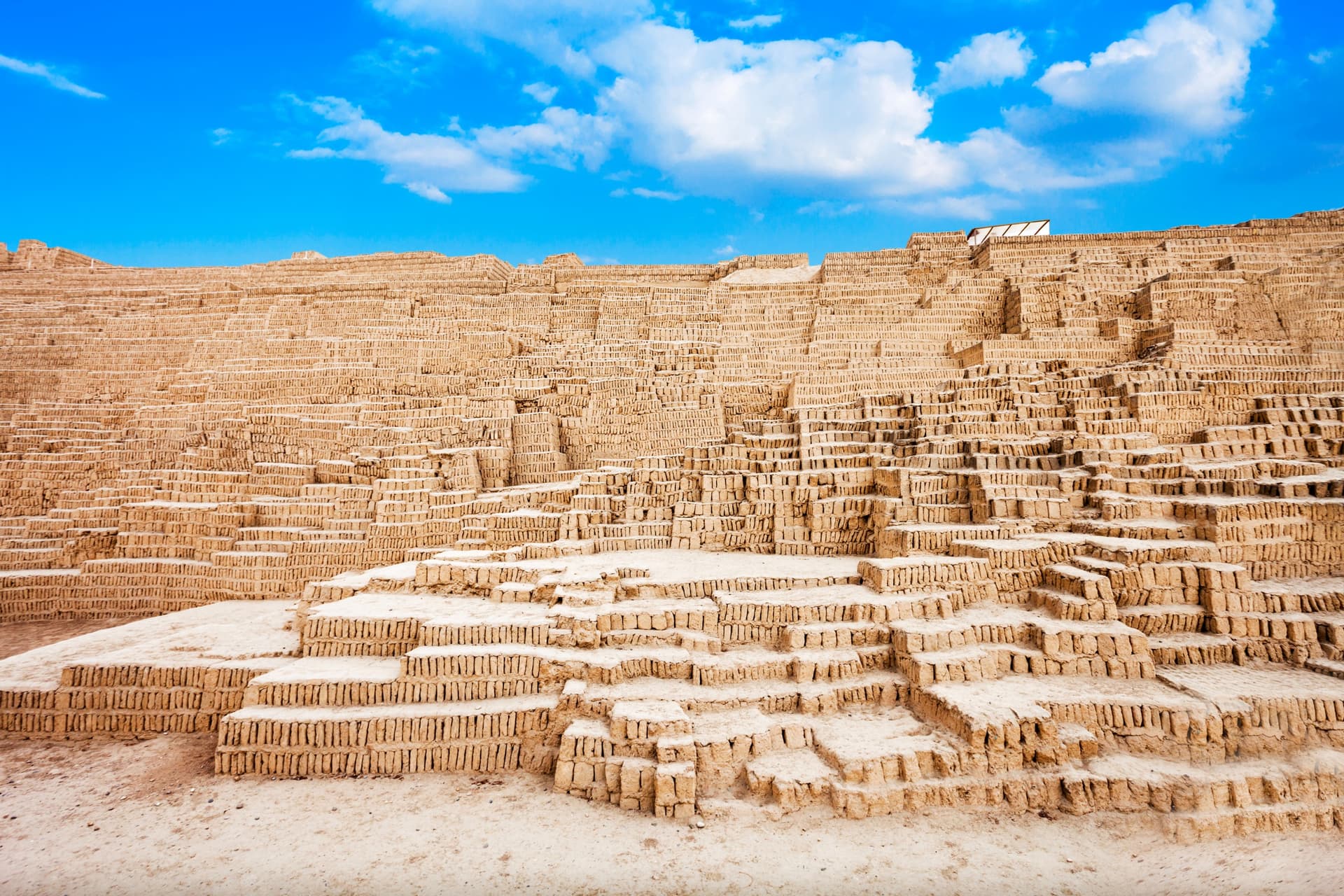
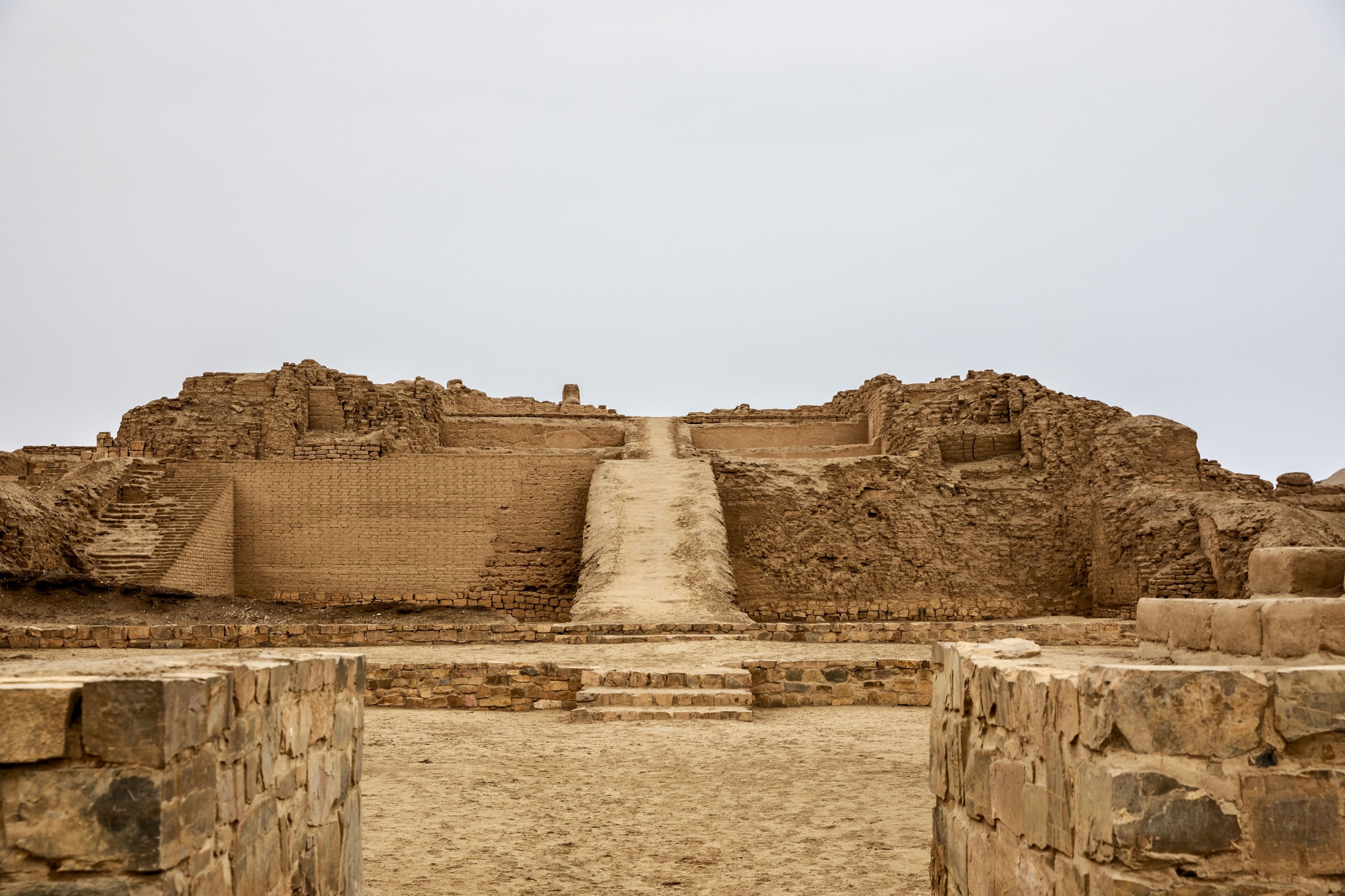
Huaca Pucllana is an adobe and clay pyramid located in the residential district of Miraflores, at the heart of Lima. Built between 400 and 500 AD by the Lima culture, it stands as major evidence of pre-Incan occupation on Peru's central coast—far predating the Inca Empire with which it is often confused.
Why Visit Huaca Pucllana
Few capital cities preserve an archaeological site of this scale in the middle of an urban setting. Huaca Pucllana spans 6 hectares amid a modern residential neighbourhood, making it a short and accessible visit from any point in Lima. The site combines archaeology, a museum, educational spaces, and a restaurant overlooking the ruins, allowing you to extend your discovery beyond the excavation circuit.
Three elements make it a coherent stop during a Lima stay:
- A rare pre-Incan site in an urban setting, restored and open to the public.
- A museum showcasing ceramics, textiles, tools, and artifacts found on-site.
- The option to visit by day or evening, with the ruins beautifully illuminated after dark.
History of the Site
The word Huaca comes from Quechua waka, which denotes a notion of sacredness or holiness. In pre-Incan Andean cultures, this term referred to both places and objects charged with ritual or spiritual significance.
The pyramid was built between 400 and 500 AD by the Lima culture, which occupied Peru's central coast long before Incan expansion. The site then functioned as a ceremonial and administrative centre, hosting community gatherings, rituals, and political activities. Later, the Wari reoccupied the space and left their own funeral deposits, explaining the presence of objects attributed to this culture in the museum's collections.
The site has been studied by explorers since the 19th century, but serious archaeological excavations only began in the mid-20th century, when the pyramid's summit was cleared. In 1991, an agreement with Peru's cultural authorities transformed Huaca Pucllana into a historical and cultural park, a status that still guides its conservation and public access today.
What to See
The Pyramid and Excavation Zones
The heart of the site is a truncated adobe pyramid, built using a distinctive "library shelf" technique: bricks placed vertically with gaps between them, allowing the structure to withstand earthquakes for over fifteen centuries. Visits are conducted exclusively by guided tour, which helps visitors understand the different layers of occupation.
The Site Museum
The museum displays ceramics, textiles, tools, and artifacts from excavations, attributed to both the Lima culture and the Wari. The collection remains intimate in scale and beautifully complements the outdoor circuit.
The Plantation Zone
Near the ruins, a plantation area recreates the crops that sustained the populations living on the site. The adjacent restaurant uses some of these products in its contemporary Peruvian cuisine.
The Restaurant and Evening Visit
The restaurant overlooks the ruins and serves contemporary Peruvian cuisine. In the evening, the structures are illuminated, creating a different atmosphere from daytime visits and explaining its popularity among diners.
Practical Information
- Duration: plan for approximately 1 hour for the guided circuit, 1.5 to 2 hours including the museum.
- Guided Tour: mandatory, offered in Spanish and English, sometimes in French depending on available guides.
- Admission: moderate entrance fee, with reduced rates for children, students, teachers, and seniors.
- Closure: the site closes one day per week and on certain public holidays; verify before your visit.
When to Visit
Lima experiences a particular coastal climate: a grey and humid winter from June to October (the garúa), and sunnier summers from December to April. For Huaca Pucllana, summer months offer clearer light on the adobe structures, but the site can be visited year-round without significant weather constraints.
Your choice between a daytime or evening visit depends on your priorities: daylight allows you to better read the architecture and excavation details, while evening visits favour ambience and are ideal for dining at the site's restaurant.
How to Get There
Huaca Pucllana is located in the heart of Miraflores, a short walk from Avenida Arequipa and Kennedy Park. From Lima's historic centre, allow 30 to 45 minutes by taxi or ride-sharing service depending on traffic. The Metropolitano bus system serves Miraflores, but the final kilometre is on foot. The neighbourhood is pedestrian-friendly, making it easy to combine your visit with a stroll through Miraflores.
Nearby Attractions
Miraflores concentrates several complementary sites accessible on foot or within minutes by car:
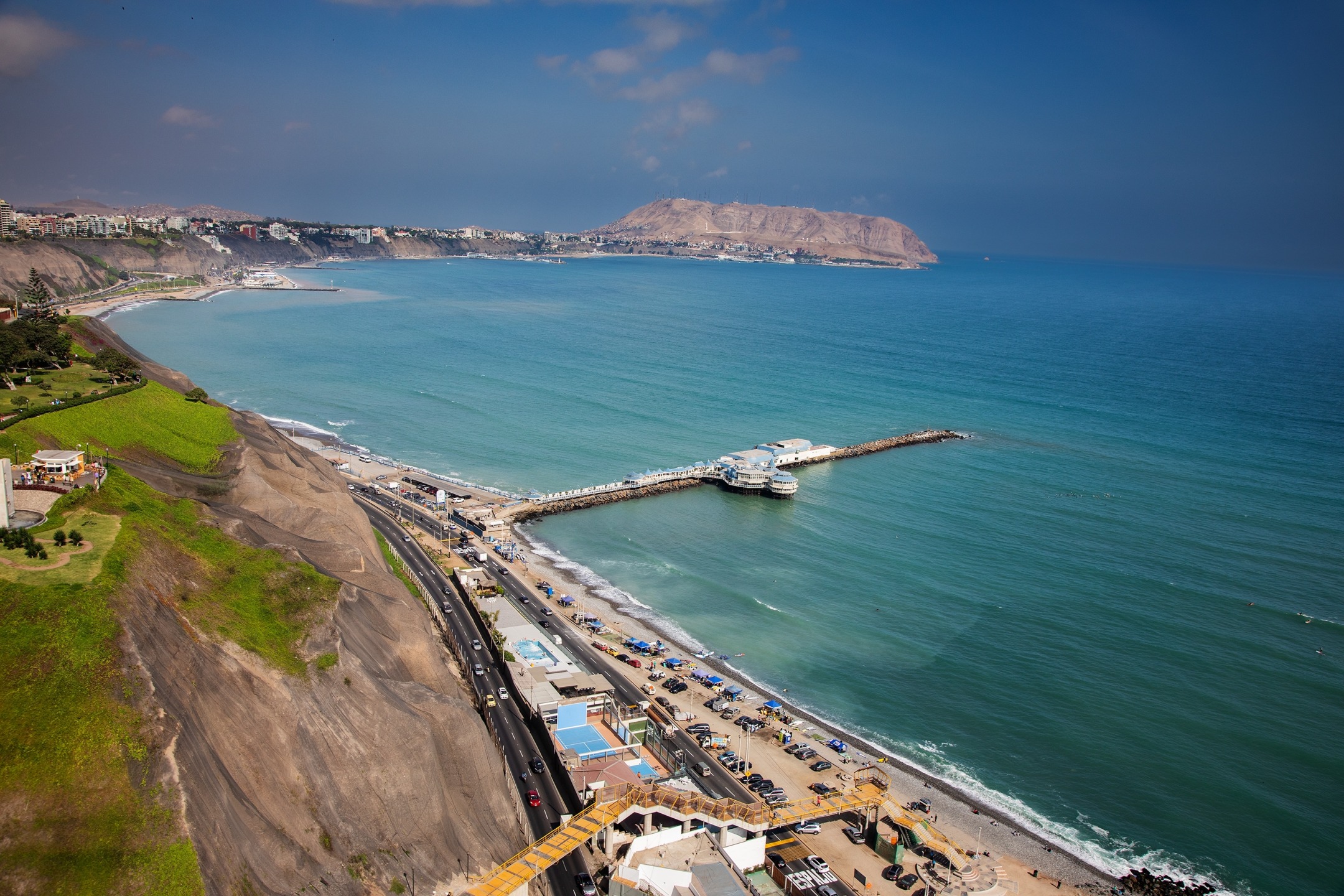
- El Malecón: the landscaped promenade along the Pacific cliffs.
- Kennedy Park and central Miraflores for local life and dining.
- The neighbouring Barranco district, a cultural and bohemian extension of the coastal area.
To expand your itinerary beyond Lima, other Peruvian archaeological sites such as Chachabamba in the Cusco region offer useful contrasts with Lima culture.
Frequently Asked Questions
Frequently asked questions
No. The pyramid was built by the Lima culture between 400 and 500 AD, long before the Inca Empire. The site was later reoccupied by the Wari. This confusion is common but factually incorrect.
Yes, access to the archaeological circuit is exclusively with a site guide, offered in Spanish or English. This protects the remains and provides explanation of the different periods of occupation.
Plan for approximately 1 hour for the guided circuit alone, and 1.5 to 2 hours if you add the museum and plantation zone.
Daytime for archaeology and reading the site structure, evening for ambience with illuminated ruins, typically combined with dinner at the restaurant. Both options have their merits.
Yes, the restaurant is highly sought after in the evening for views of the illuminated ruins. Advance reservation is recommended.
Incorporating Huaca Pucllana Into Your Trip
Huaca Pucllana fits naturally into a Lima stop at the beginning or end of a Peruvian circuit. To build a coherent itinerary combining coast, Andes, and Amazon, consult our Peru trips.
Nearby
Interested in this visit?
We can include it in your personalised itinerary.