Gocta Waterfall
Gocta Waterfall
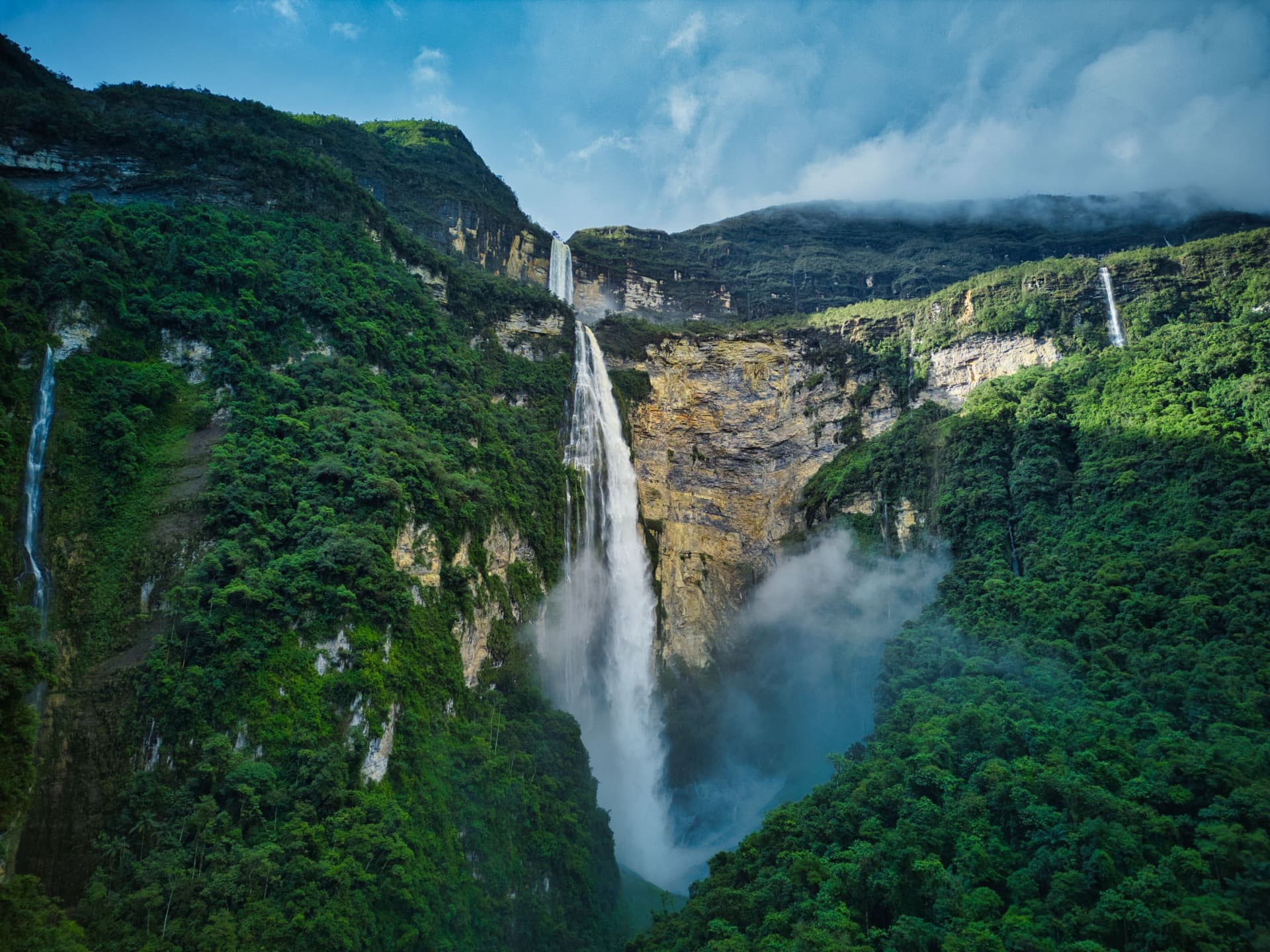
With its 771 meters spread across two tiers, Gocta waterfall near Chachapoyas in Peruvian Amazonia is reached by a 2.5-hour hike.
Gocta waterfall, locally known as "La Chorrera," stands among Peru's most impressive cascades at 771 meters in total height. Situated some 700 km northeast of Lima in the Amazon region, within Chachapoyas province, it plunges in two spectacular tiers through dense tropical forest.
Why visit Gocta waterfall
Several reasons make Gocta worth a detour during time in northern Peru:
- An exceptional cascade: 771 meters across two tiers (231 m and 540 m), ranking it among the world's highest waterfalls by most accounts.
- Pristine Amazonian wilderness: humid forest, endemic wildlife (woolly monkeys, Andean cocks-of-the-rock), lush vegetation.
- An accessible hike: the roughly two-and-a-half-hour trail suits hikers of moderate fitness.
- Swimming possible: a natural pool forms at the base of the cascade.
- A less-crowded destination compared to Machu Picchu or southern classics.
History and discovery
Though long known to residents of surrounding villages (Cocachimba and San Pablo), Gocta gained international recognition only in the early 2000s. It was mapped in March 2002 by a German expedition led by Stefan Ziemendorff. On March 11, 2006, official topographic surveys were conducted at the site.
Following these measurements, Gocta was initially ranked the world's third-highest waterfall at 771 m, behind Angel Falls in Venezuela (972 m) and Tugela Falls in South Africa (948 m). This ranking has since been revised: considered based on incomplete methodology, Gocta now ranks around sixteenth place. Waterfall rankings vary depending on the criteria used (free-fall height, total height, number of tiers).
The cascade remains surrounded by locally transmitted tales. Legend holds that the falls are guarded by the spirit of a mermaid with white hair, her tresses blending with the spray at the cascade's base. This belief reportedly explains why locals did not mention the site to outsiders before the 2000s.
What to see and do on site
The two cascades
Gocta consists of two falls: the first measures 231 meters, the second 540 meters, for a total height of 771 meters. The trail offers multiple viewpoints for appreciating the ensemble and each tier in turn.
The hike
The main trail departs from Cocachimba village. This is a walk of roughly two and a half hours each way along a maintained path that can become slippery after rain. The elevation gain is moderate though not negligible. Plan a full day for the round trip including time at the cascade's base.
Swimming
A natural pool forms at the cascade's base and offers refreshment. Water stays cold year-round. Mist is heavy in the immediate vicinity of the waterfall: protect cameras and phones accordingly.
Flora and fauna
The trail crosses cloud forest rich in orchids, bromeliads, and tree ferns. With luck and discretion, you may spot Peruvian Andean cocks-of-the-rock, emblematic of this Andean Amazon zone.
Practical information
- Starting point: Cocachimba village (main departure) or San Pablo de Valera.
- Hike duration: approximately 2.5 hours each way, 5 to 6 hours round trip with breaks.
- Level: regular hiker, moderate elevation gain.
- Entrance fee: a community ticket is required at trail entrance (modest tariff, collected by local villages).
- Equipment: sturdy hiking boots with good grip, waterproof jacket, water, snacks, swimwear and towel for swimming.
- Guide: not mandatory but recommended, particularly for wildlife identification.
When to visit Gocta
Northern Peru's Amazon region enjoys a tropical highland climate. The rainy season runs November through March: the cascade shows its strongest flow, but trails become muddy and visibility drops. The most favorable months span May to October, with an ideal balance in June-July between generous flow and dry walking conditions.
How to get there
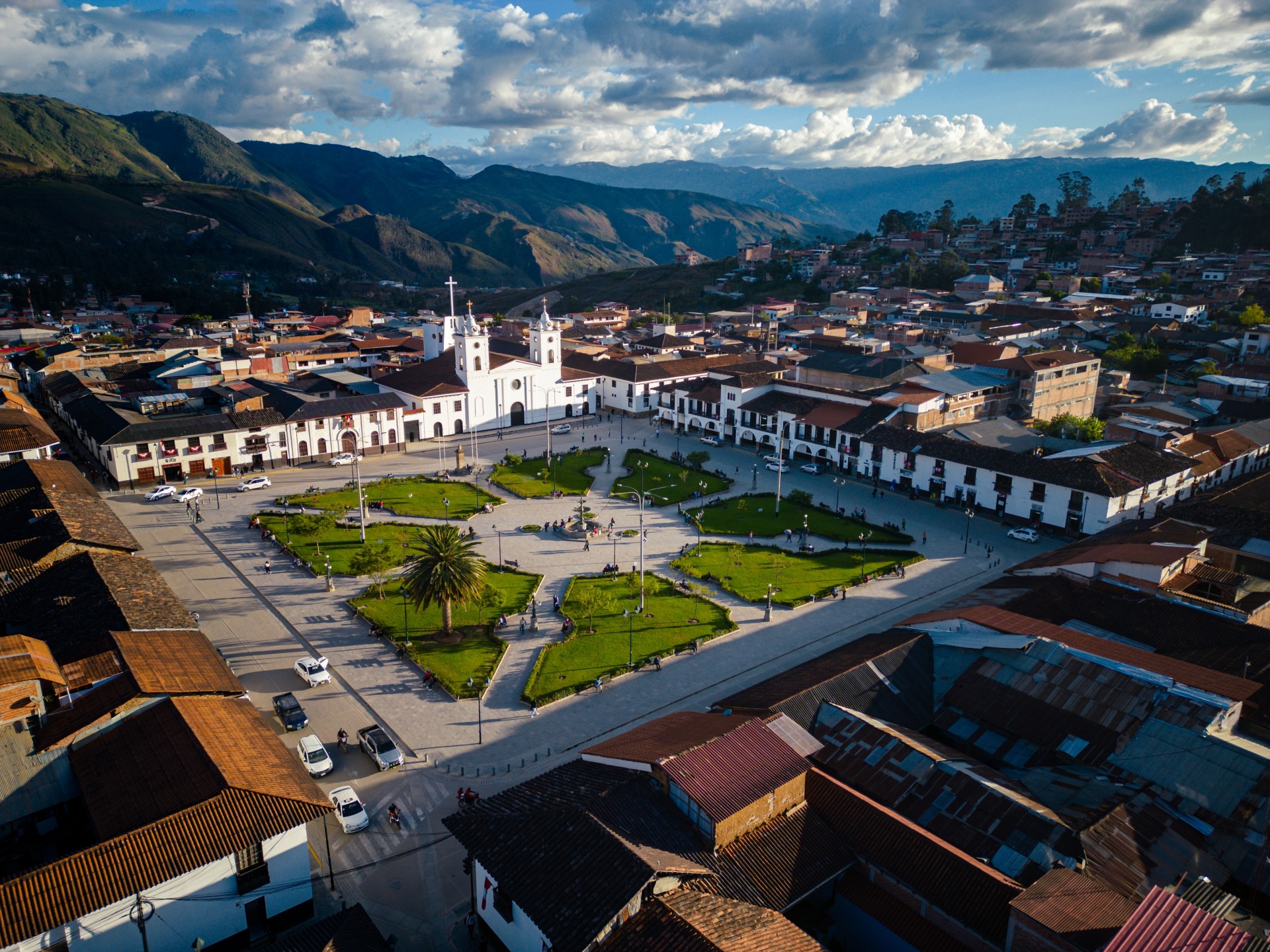
Access to Gocta necessarily passes through Chachapoyas, capital of Peru's northeastern province:
- From Lima: domestic flight to Jaén or Tarapoto, then road to Chachapoyas (roughly 4 to 5 hours). Alternatively, long-distance bus from Chiclayo (9 to 10 hours).
- From Chachapoyas: tour buses and shared taxis reach Cocachimba or San Pablo villages daily (about 1 hour drive).
- Organized excursion: most Chachapoyas agencies offer day trips with transport and entrance included.
Nearby
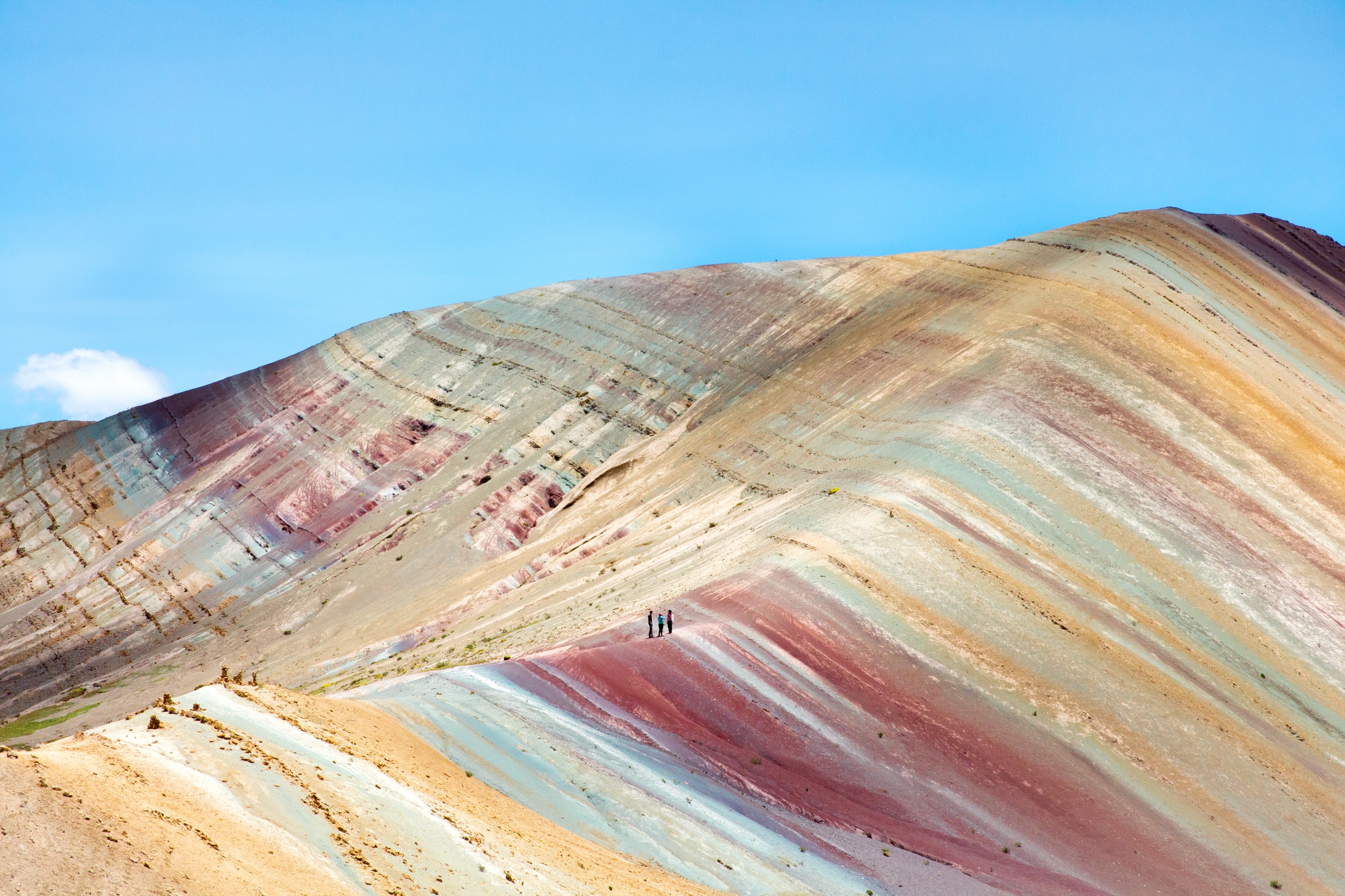
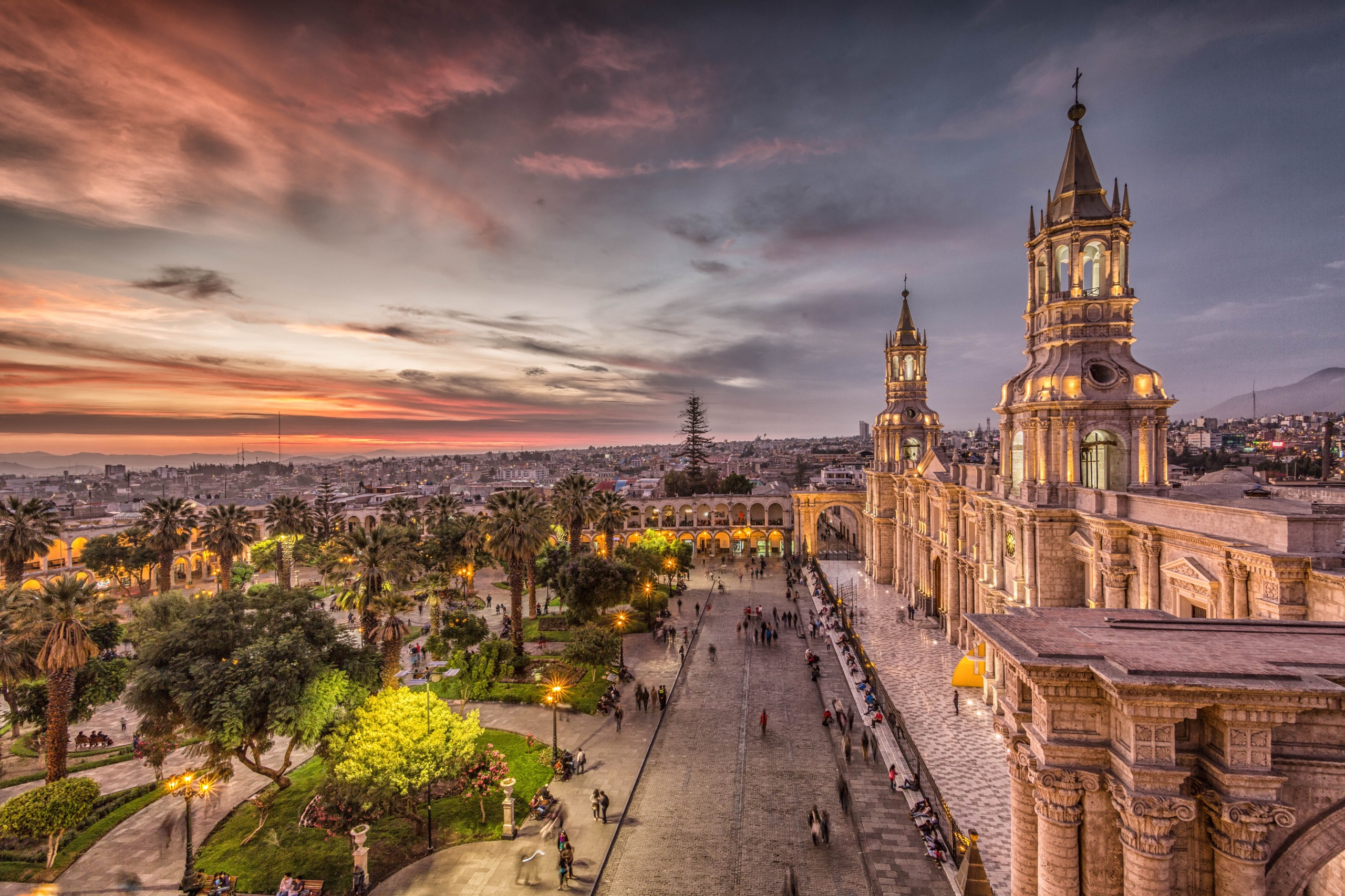
The Chachapoyas region concentrates several major sites worth combining with Gocta: the pre-Incan fortress of Kuélap, the sarcophagi of Karajía, Quiocta cave, or the nearby Yumbilla waterfall. Further south, highland Peru offers other essential stops like Ollantaytambo ruins in the Sacred Valley, the ceremonial site of Q'enko near Cusco, or the volcanic landscapes of Pampa Cañahuas National Reserve and Salinas and Aguada Blanca in the Arequipa region.
Frequently asked questions
Frequently asked questions
Gocta measures 771 meters total, split across two successive falls: the first at 231 meters and the second at 540 meters.
That was the announcement in 2006 upon international recognition. This ranking was later revised due to different measurement methodologies, and Gocta now ranks closer to sixteenth by most sources.
The roughly 2.5-hour trail each way features moderate elevation gain and remains accessible to regular hikers. It can become slippery in rainy season: sturdy hiking boots are essential.
Yes, a natural pool forms at the cascade's base. Water is cold year-round and mist is powerful in the immediate area.
May through October are the most favorable months, with dry trails and satisfying flow. The rainy season (November to March) offers the cascade at peak volume but complicates hiking.
Include Gocta in your Peru trip
Gocta waterfall naturally fits into an itinerary combining northern Andean Amazonia with southern highlights. To build a custom circuit, explore our Peru journeys and let our specialists adapt the Chachapoyas stop to your preferences.
Interested in this visit?
We can include it in your personalised itinerary.