Chachabamba
Chachabamba
A 15th-century Inca site dedicated to water worship, Chachabamba marks the starting point of the Short Inca Trail to Machu Picchu from kilometer 104.
Chachabamba is an Inca archaeological site located at 2,150 meters altitude on the Inca Trail leading to Machu Picchu. Built in the 15th century, it served as a ceremonial center dedicated to water worship and as a control point for pilgrims en route to the citadel. Its recent rehabilitation, thanks to 2021 LIDAR surveys, has made it one of the most studied sites within the Machu Picchu Historical Sanctuary.
Why visit Chachabamba
Chachabamba appeals to three types of travelers: hikers who take the Short Inca Trail (Camino Inca corto) over two days, Andean archaeology enthusiasts drawn by the Inca hydraulic system, and travelers seeking an alternative to the more crowded classic four-day trek. The site marks the official beginning of the hike from kilometer 104 of the Cusco-Aguas Calientes railway, and combines archaeological significance, limited access through permits, and passage through a subtropical forest environment all the way to the Sun Gate.
History and ritual function
Built in the 15th century under the Inca Empire, Chachabamba lies in the sacred region of Antisuyo, one of the four quarters of the empire oriented toward the Amazon. The site was dedicated to water worship, a structuring element of Andean cosmovision. Its position overlooking the Vilcanota River allowed control over the entrance to the Machu Picchu sanctuary and ensured the ritual purification of pilgrims before their ascent.
The site's organization reflects the union of the three worlds of Inca thought: Uku Pacha (underworld), Kai Pacha (earthly world), and Hanan Pacha (heavenly world), embodied respectively by the serpent, puma, and condor. This tripartition is visible in the layout of ceremonial spaces and in the hydraulic network connecting the upstream source to the lower basins.
In 2021, aerial LIDAR surveys and drone mapping identified 14 ceremonial baths organized around patios, confirming the site's function as a ritual purification center. This campaign redefined the complex's true scale, which had long been underestimated due to dense vegetation cover.
What you'll see on site
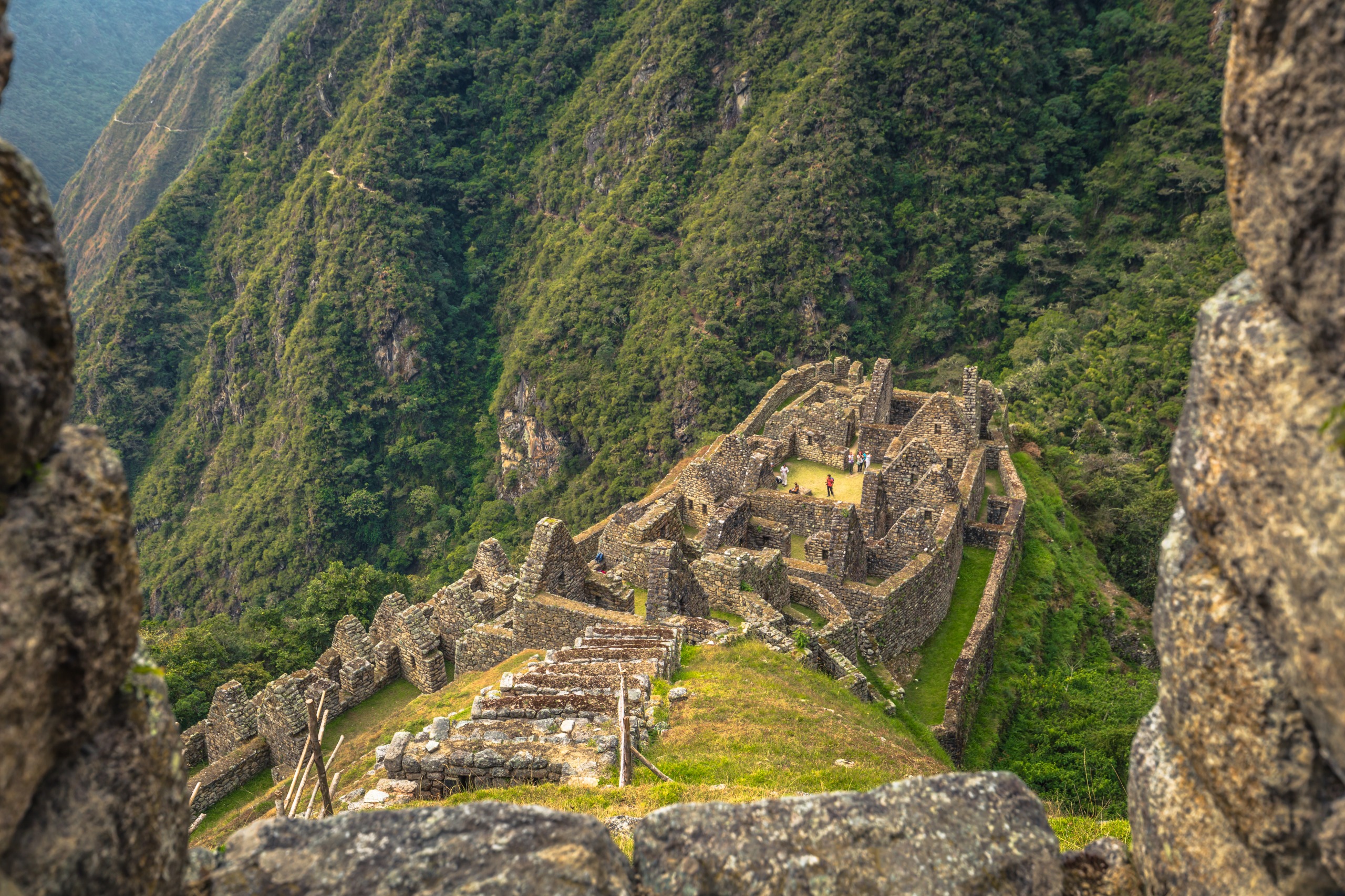
- The ceremonial bath complex: the 14 basins identified in 2021 are fed by channels carved into stone, testifying to the hydraulic mastery of Inca engineers.
- The central altar: carved into the rock, it occupies the heart of the main plaza and marks the focal point of ceremonies dedicated to Pachamama.
- Fitted stone walls: characteristic of late Inca architecture, with careful masonry on ritual structures and more rustic work on functional buildings.
- The agricultural environment: surrounding terraces grew tropical crops such as cassava, sweet potato, and medicinal plants, taking advantage of the valley's subtropical climate.
Practical information
Access to Chachabamba requires a permit for the Short Inca Trail, to be reserved several months in advance through an approved agency. Permits are individual and limited in number each day. Allow approximately 6 to 8 hours of hiking to reach Machu Picchu from Chachabamba via Wiñay Wayna and the Sun Gate.
Bring hiking shoes, adequate water, sun protection, and light rain gear. The climate is warmer and more humid than Cusco due to lower altitude and surrounding subtropical vegetation.
When to visit
- May to October (dry season): optimal hiking conditions, clear skies over Machu Picchu from Inti Punku. Higher visitor numbers in June, July, and August.
- November to April (rainy season): dense vegetation, lower crowds, but slippery trails and risks of prolonged showers.
- February: the Inca Trail is closed for annual maintenance. Alternative routes to Machu Picchu (direct train, Salkantay, Lares) remain open.
How to get there
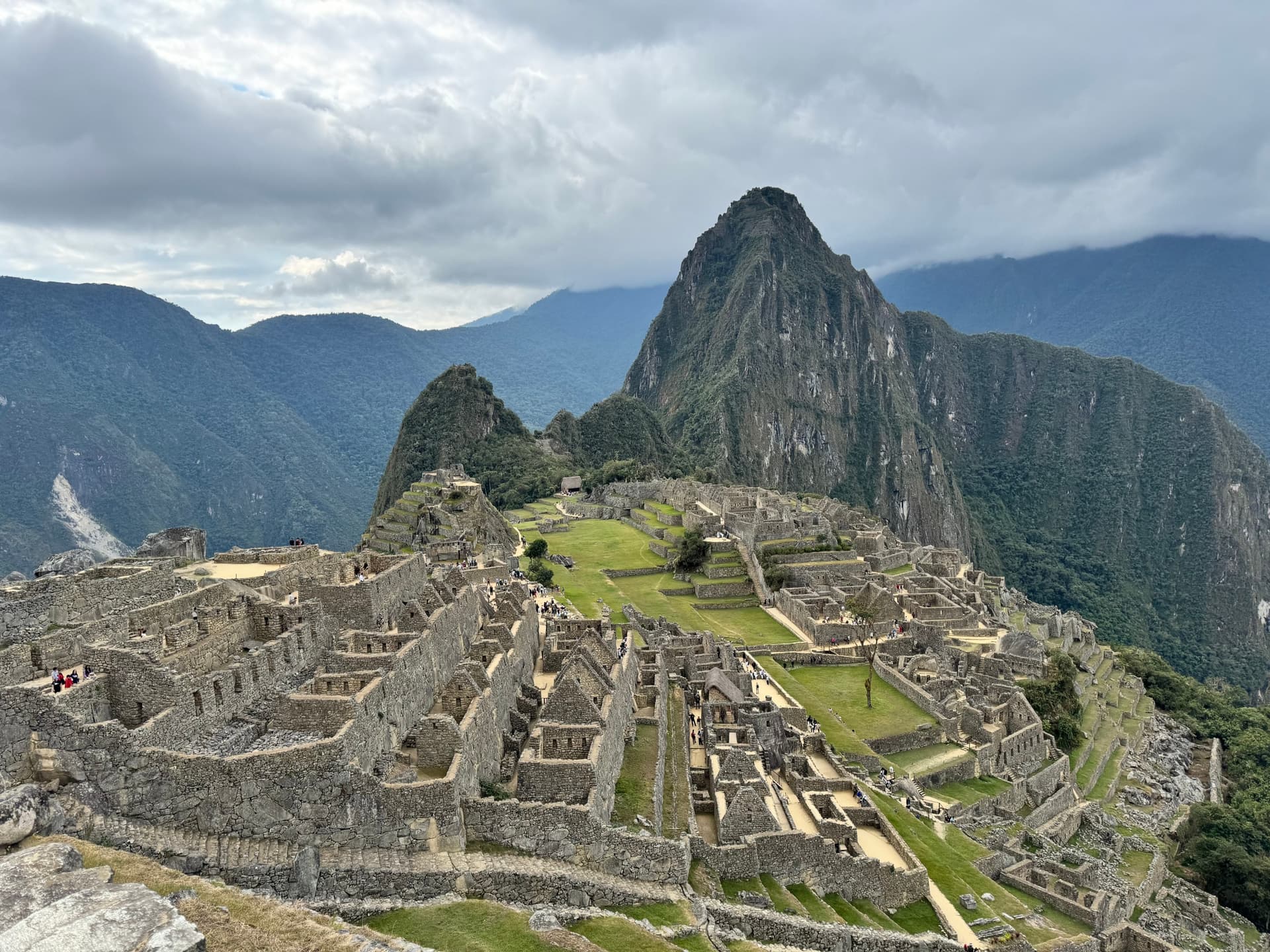
The starting point is kilometer 104 of the railway connecting Cusco (via Ollantaytambo) to Aguas Calientes. You disembark the train at an unstaffed stop where officials check permits. You then cross the Vilcanota River via a suspension bridge and begin an approximately 8 km ascent through forest rich in orchids and birdlife. The trail reaches Wiñay Wayna, another major Inca site, then Inti Punku (the Sun Gate) before descending to Machu Picchu. The hike takes two days, with the possibility of staying overnight in Aguas Calientes.
Nearby attractions
- Wiñay Wayna: an Inca site with spectacular agricultural terraces, a mandatory stop on the Short Inca Trail midway through.
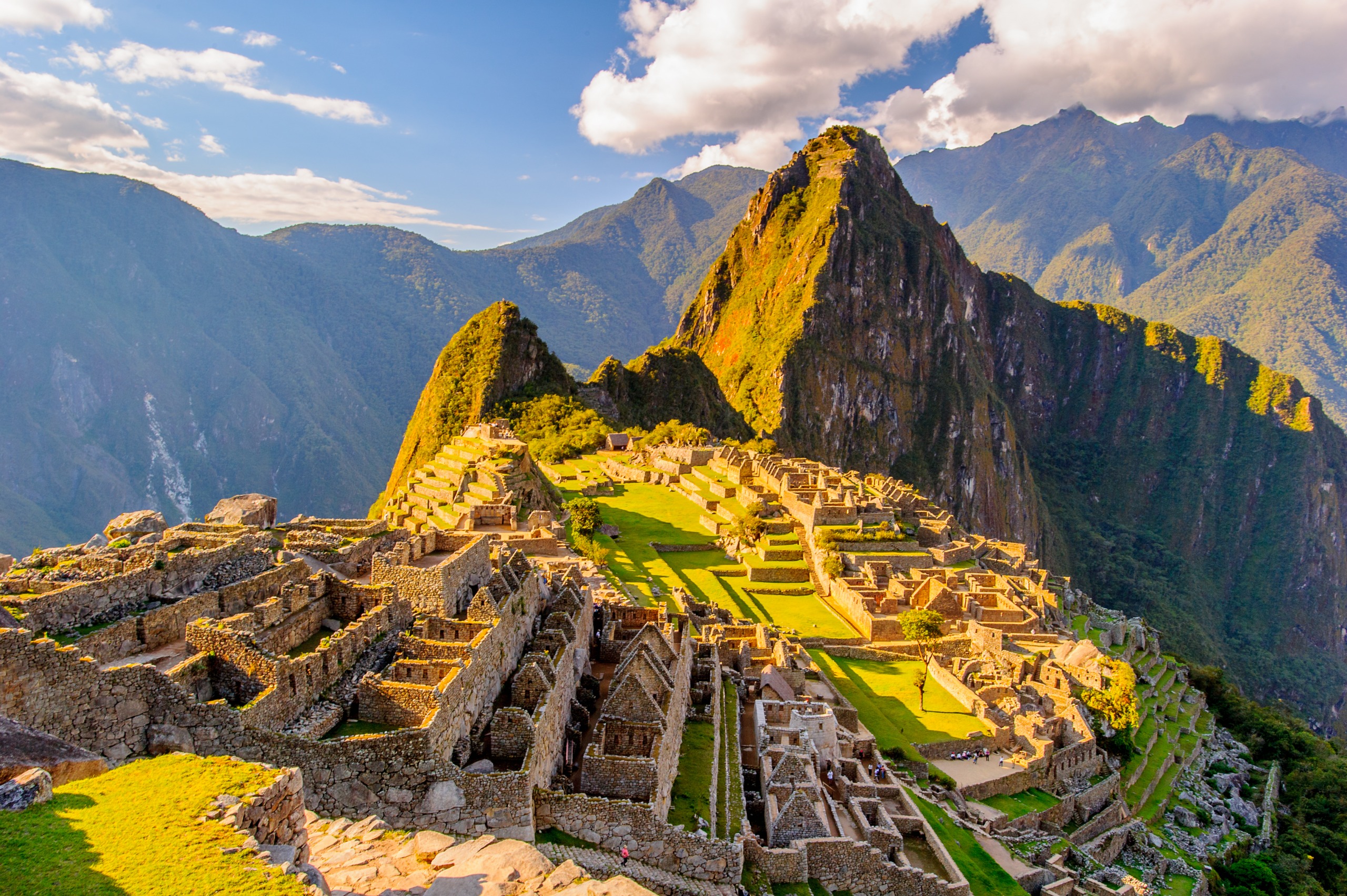
- Inti Punku: the Sun Gate, the opening onto the Machu Picchu sanctuary used by Inca pilgrims.
- The ruins of Ollantaytambo, crossed by train from Cusco, are worth visiting before or after the trek.
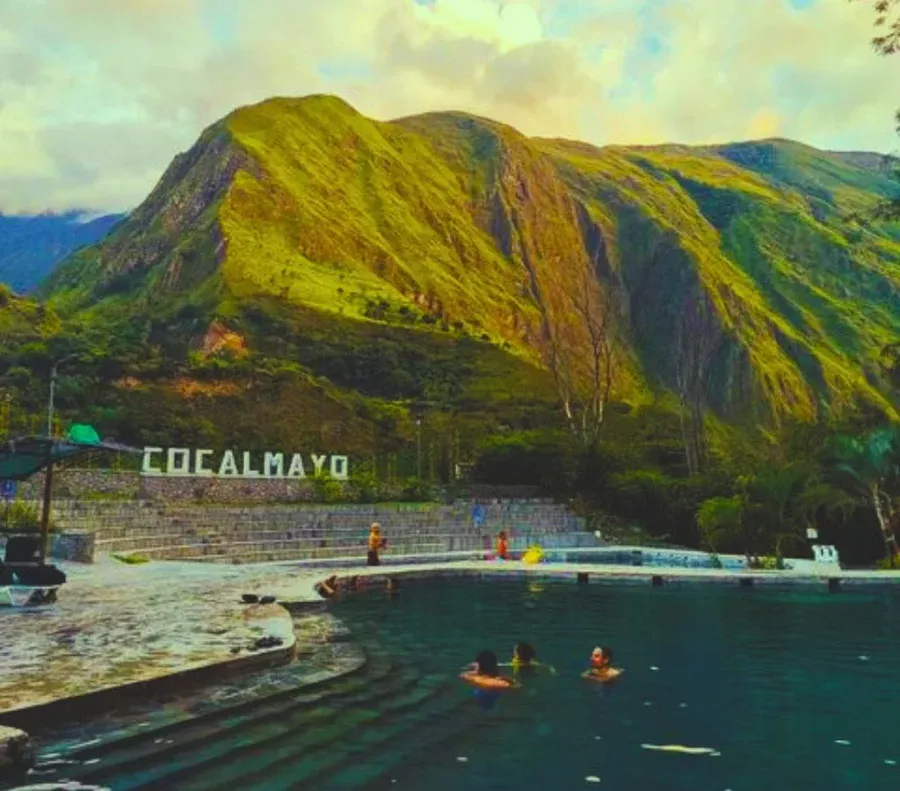
- Cocalmayo: hot springs useful for recovery after the hike.
- Q'enko and Andahuaylillas complement a circuit around Cusco before heading to the Sacred Valley.
Frequently asked questions
Frequently asked questions
Yes. The site is accessible only via the Short Inca Trail (Camino Inca corto) at kilometer 104, which requires an individual permit reserved in advance through an agency approved by the Peruvian Ministry of Culture.
The route covers approximately 8 km from km 104 to Wiñay Wayna, then continues to Inti Punku and Machu Picchu. Allow 6 to 8 hours of hiking depending on your pace, typically spread over two days.
May to October, during the dry season. Avoid February, when the Inca Trail is closed for maintenance.
No. The site is not accessible by road or the standard trail from Aguas Calientes. Only the Short Inca Trail from km 104 provides access.
Moderate. The elevation gain toward Wiñay Wayna and Inti Punku requires good physical fitness, but the route is shorter than the classic four-day Inca Trail.
Planning your trip
Chachabamba fits into a broader itinerary around Cusco and the Sacred Valley. To build a complete circuit including this site, consult our trip to Pérou page.
Nearby
Interested in this visit?
We can include it in your personalised itinerary.