Ccotos
Ccotos
Quechua community on the Capachica peninsula, on the northern shore of Lake Titicaca, 70 km from Puno. Community-based tourism, hiking and islets to explore.
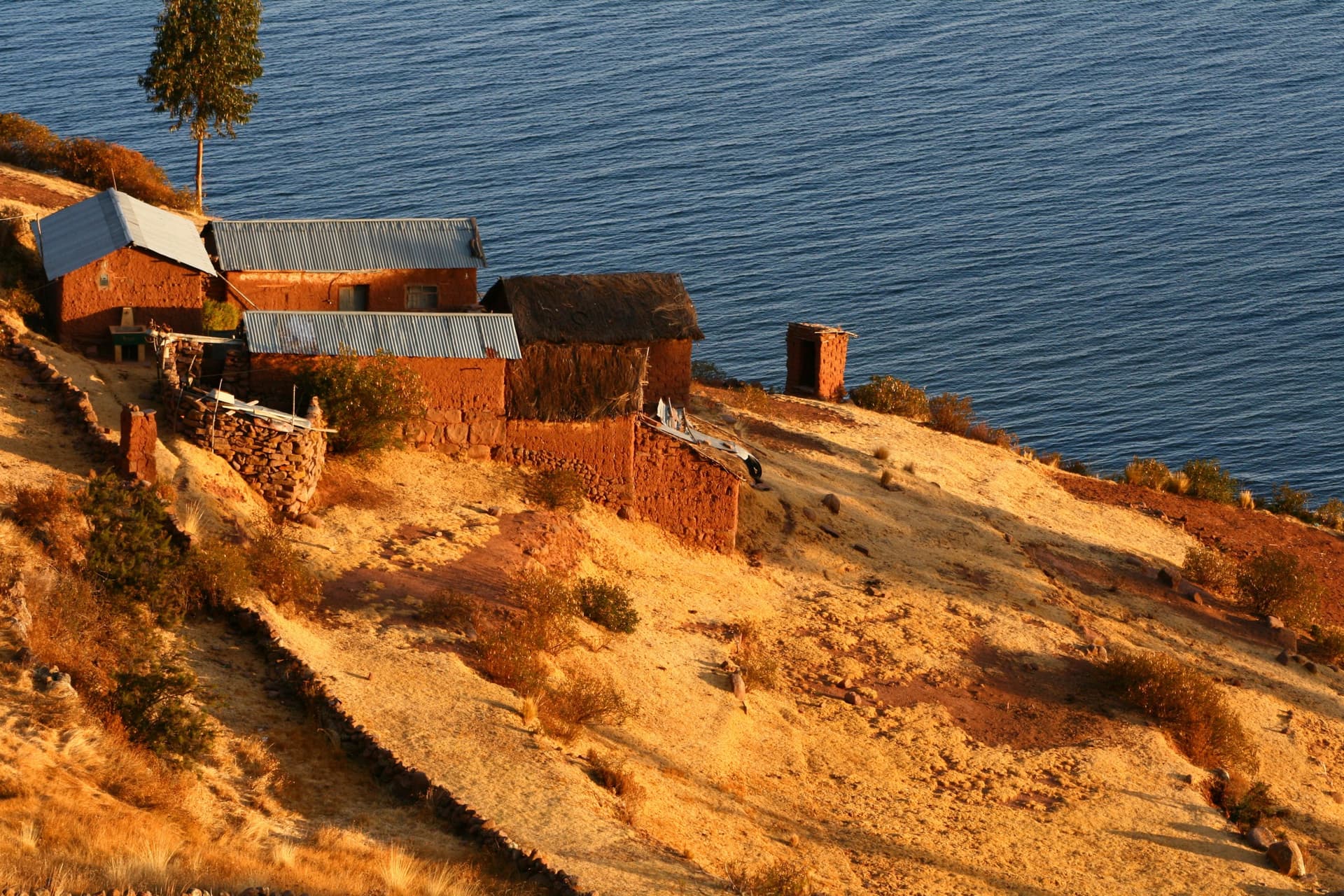
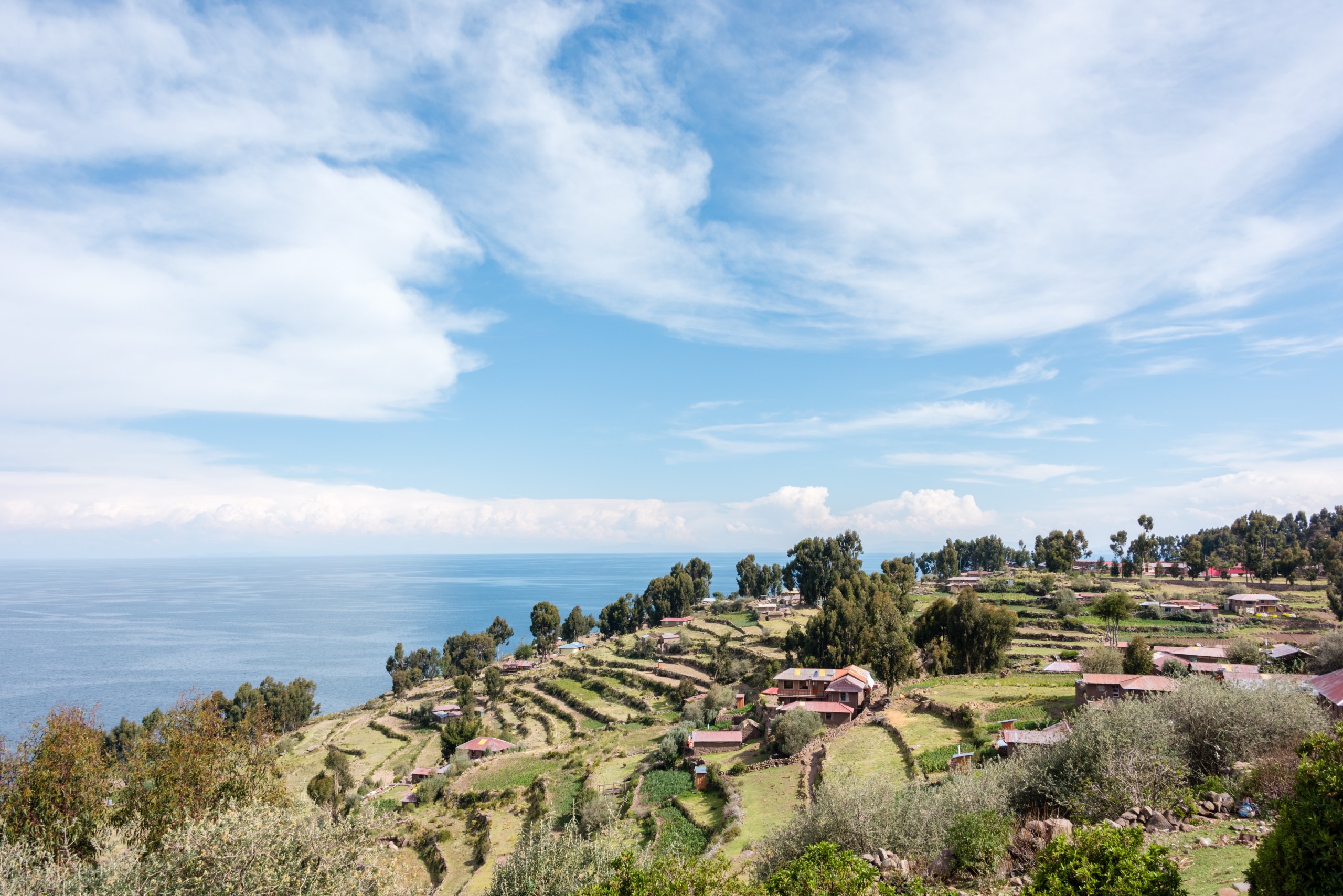
Ccotos is one of 16 communities on the Capachica peninsula, on the northern shore of Lake Titicaca, approximately 70 km northwest of Puno. This Quechua village thrives on agriculture, livestock farming and artisanal fishing. It offers a very different approach to Lake Titicaca from that of mainstream circuits: here, visitors are often welcomed into local homes, and the landscape alternates between islets, pre-Incan terraces and sandy beaches.
Why visit Ccotos
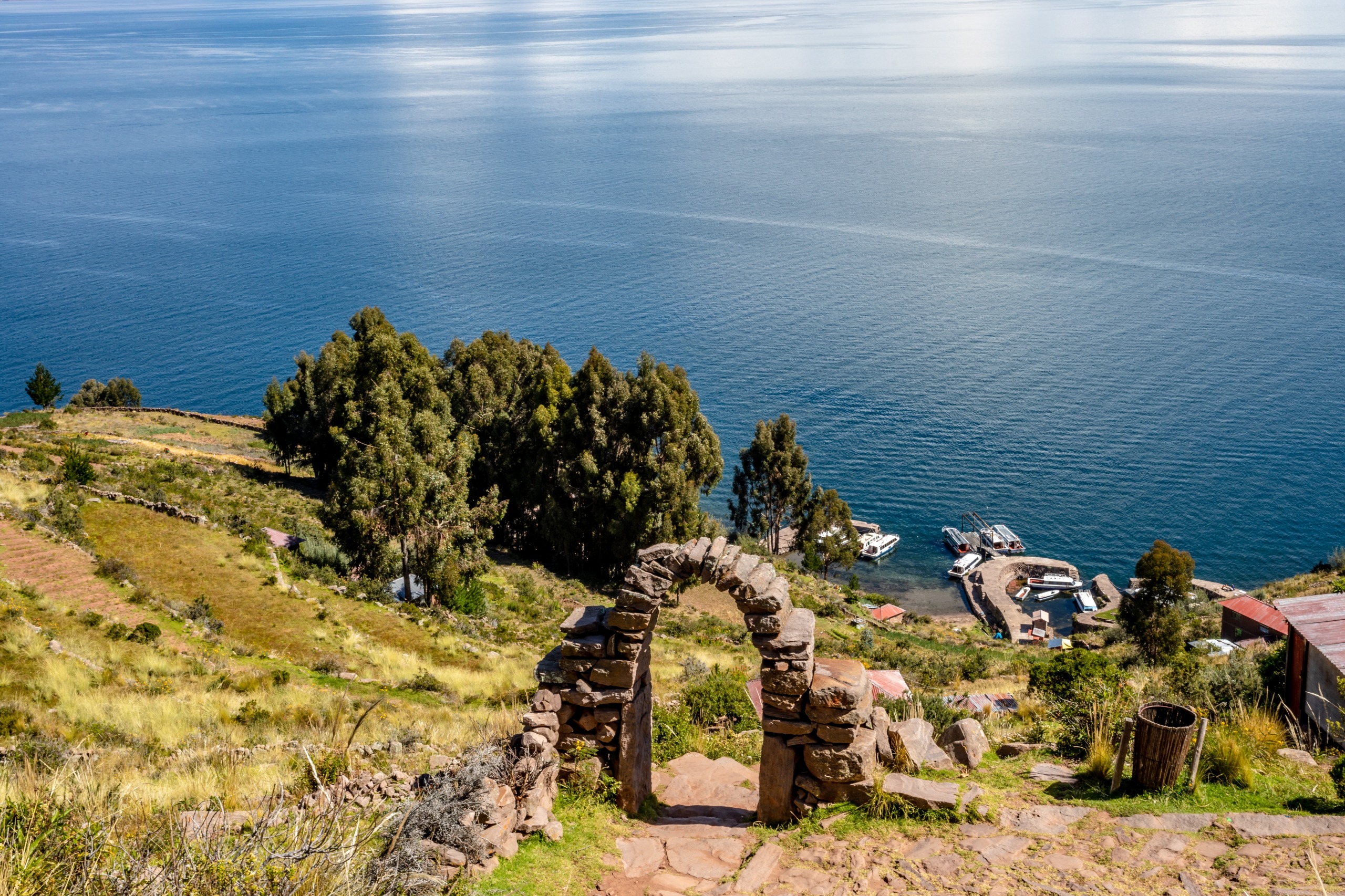
The community remains far from the major tourist flows that concentrate around the Uros and Taquile islands. This allows you to stay in an authentic setting, where visitors participate in daily activities: boat outings with fishermen, agricultural work in terraced fields, preparing meals using local produce. Ccotos is also home to four islands and islets — Tikonata, Uki, Lagarto and Cayen — accessible by boat from the shore, as well as two sandy beaches ideal for swimming during the dry season.
What to see and do in Ccotos
- Mirador Anka Sayana: a natural viewpoint overlooking Lake Titicaca, accessible via a marked trail.
- The islands of Tikonata, Uki, Lagarto and Cayen: sailing or rowing trips, bird watching, swimming.
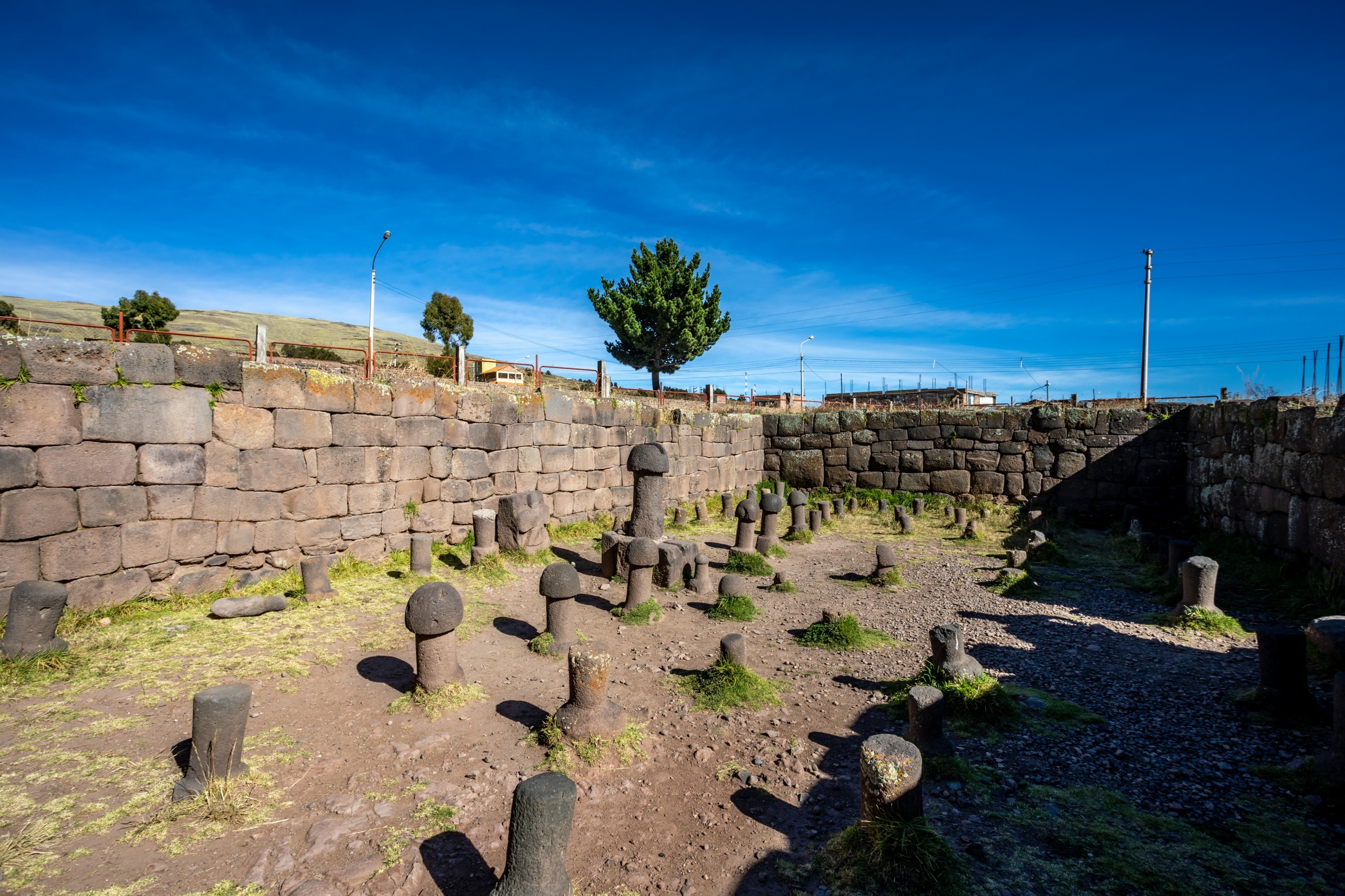
- Archaeological remains: ruins of ancient houses and stone structures bearing witness to settlement predating the Spanish conquest.
- Hikes along pre-Incan paths: on foot or horseback, through agricultural terraces and neighbouring hamlets.
- Artisanal fishing and farm work: activities shared with local people as part of community-based tourism.
- Two sandy beaches along the shore: swimming and relaxation, weather permitting.
Practical information
Accommodation in Ccotos is mostly in family homes, adapted by families within the community. Comfort is simple (rustic rooms, shared facilities depending on the household) but the human experience is the main draw of a stay. Meals, usually included, are prepared with local produce: lake trout, quinoa, Andean potatoes.
Plan for half a day to a full day to explore the community and its immediate surroundings, and at least one night on site to make the most of the immersion experience. Bring warm clothing: even during the day, the lake wind is cool.
When to visit
Capachica sits on the altiplano at nearly 3,800 m altitude. The climate is cold and dry for much of the year, with nights that can dip below freezing during the southern winter (June to August). The rainy season runs from December to March, peaking in January.
- March-April and September-October: most favourable periods, clear skies, pleasant daytime temperatures.
- June-August: dry season but very cold nights.
- December-February: frequent rain, trails sometimes muddy.
How to get there
Access is from Juliaca, which has the Inca Manco Cápac international airport, approximately 40 km from Capachica. Juliaca's bus terminal, located at the corner of Avenida Tacna and Avenida Circunvalación, regularly serves the peninsula. The journey to Capachica takes around an hour. From Capachica, a taxi or mototaxi reaches Ccotos in about twenty minutes. From Puno, you can also reach the peninsula via the road to the north of the lake.
Nearby
- Llachón: another community on the peninsula, approximately 75 km from Puno, renowned for its pre-Incan agricultural terraces, eucalyptus forests and kayaking trips on the lake.
- Paramis: 7 km from Capachica (around 20 minutes by bus), known for its flora and traditional ceremonies.
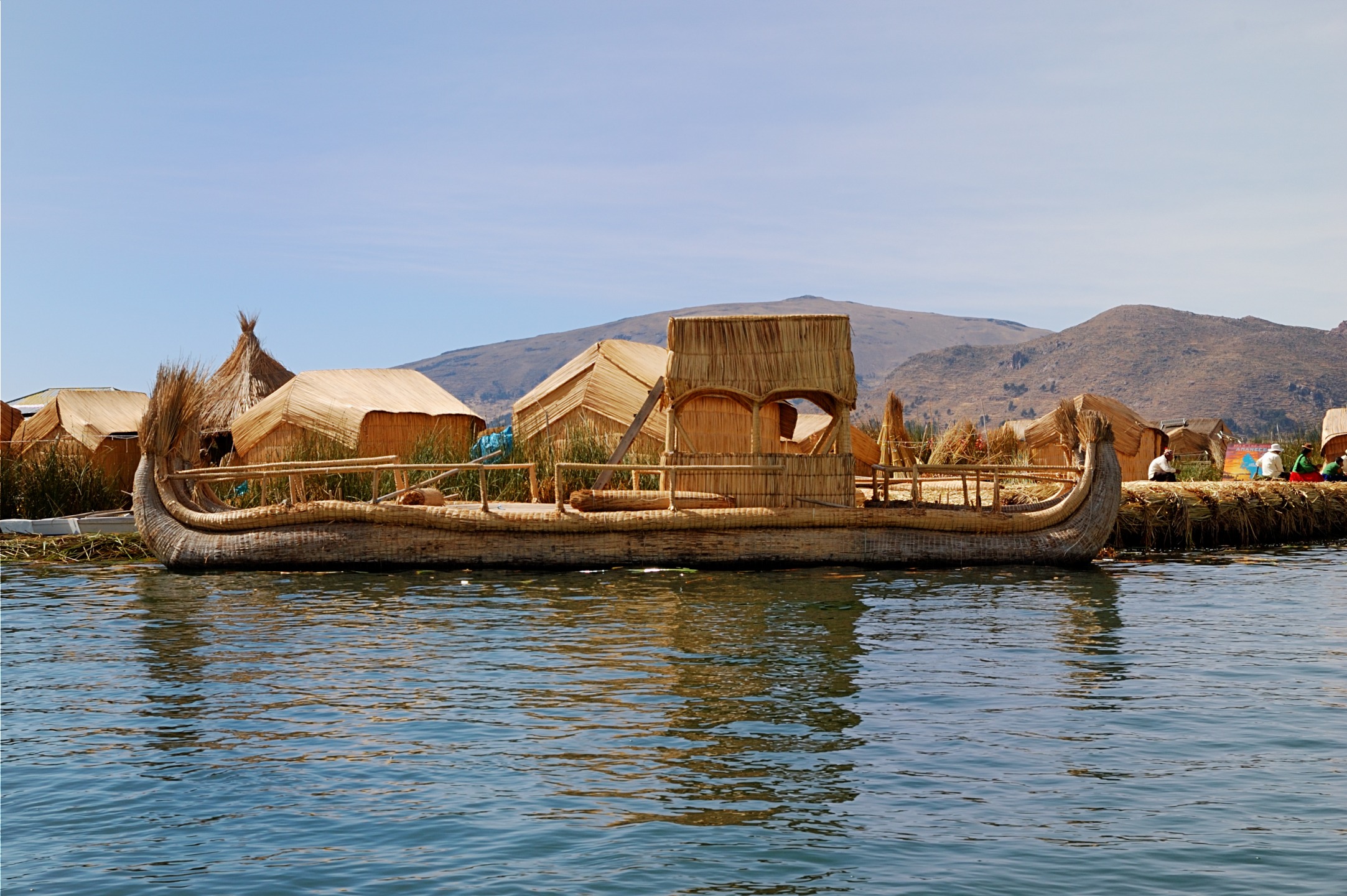
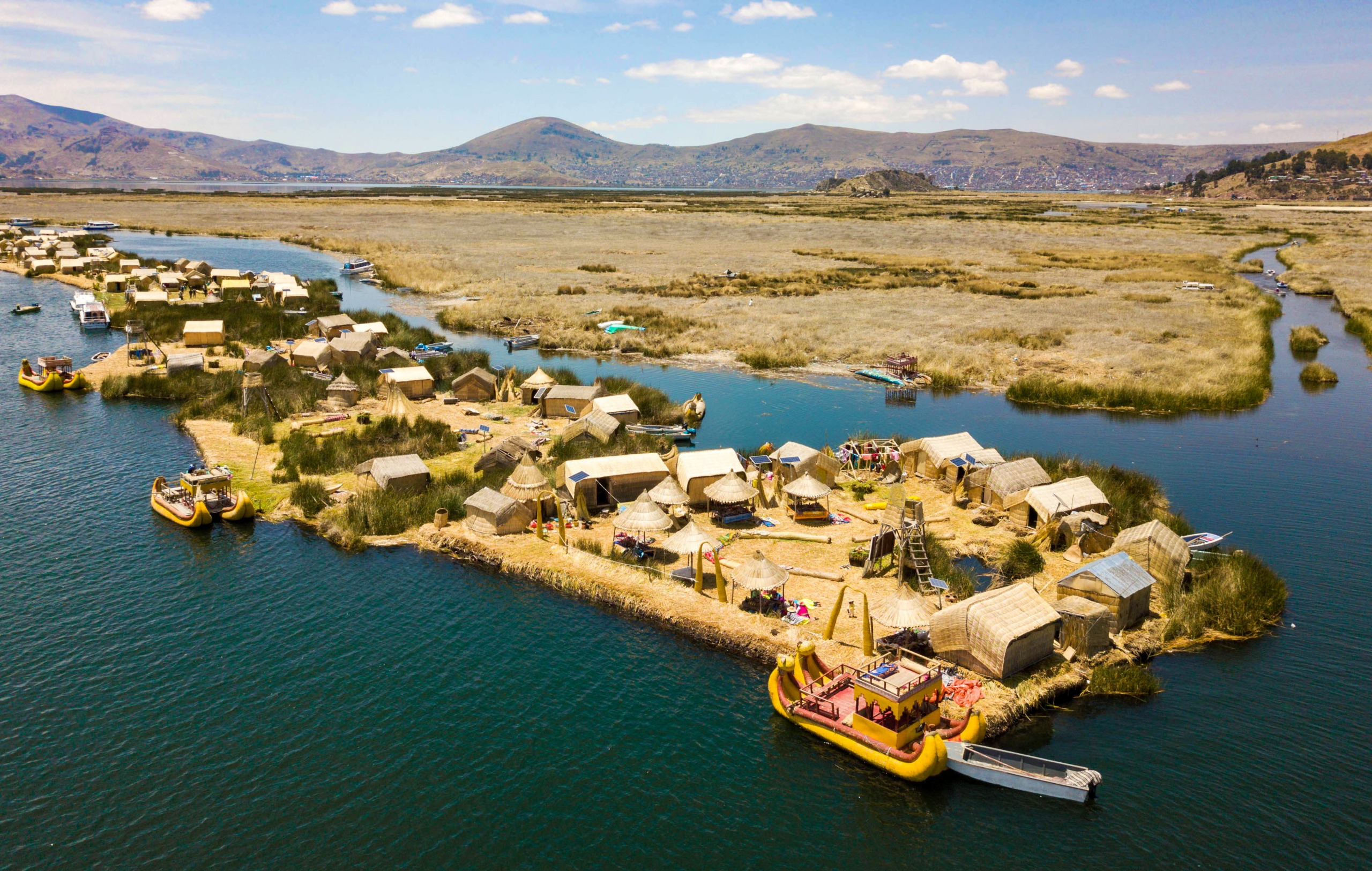
- The floating islands of the Uros: 7 km northeast of Puno, also accessible from the peninsula, famous for their totora reed constructions.
Frequently asked questions
Frequently asked questions
Ccotos is located on the Capachica peninsula, on the northern shore of Lake Titicaca, approximately 70 km northwest of Puno, in the Puno region of Pérou.
Yes, the community offers accommodation in local homes as part of community-based tourism. Families welcome visitors into simple houses, with meals included.
March-April and September-October offer a good balance between dry weather and comfortable temperatures. The rainy season, from December to March, can complicate travel.
From Juliaca, take a bus to Capachica (around 1 hour) from the terminal located between Avenida Tacna and Avenida Circunvalación, then a taxi or mototaxi to Ccotos (20 minutes).
Hiking and horseback trekking on pre-Incan paths, boat trips to the islets, swimming on sandy beaches, artisanal fishing and farm work with local residents.
Prepare your trip
Ccotos fits well into an itinerary combining Puno, Lake Titicaca and the Cusco region. To build your bespoke journey, consult our Pérou travel guide.
Interested in this visit?
We can include it in your personalised itinerary.