Castillos de Callalli
Castillos de Callalli
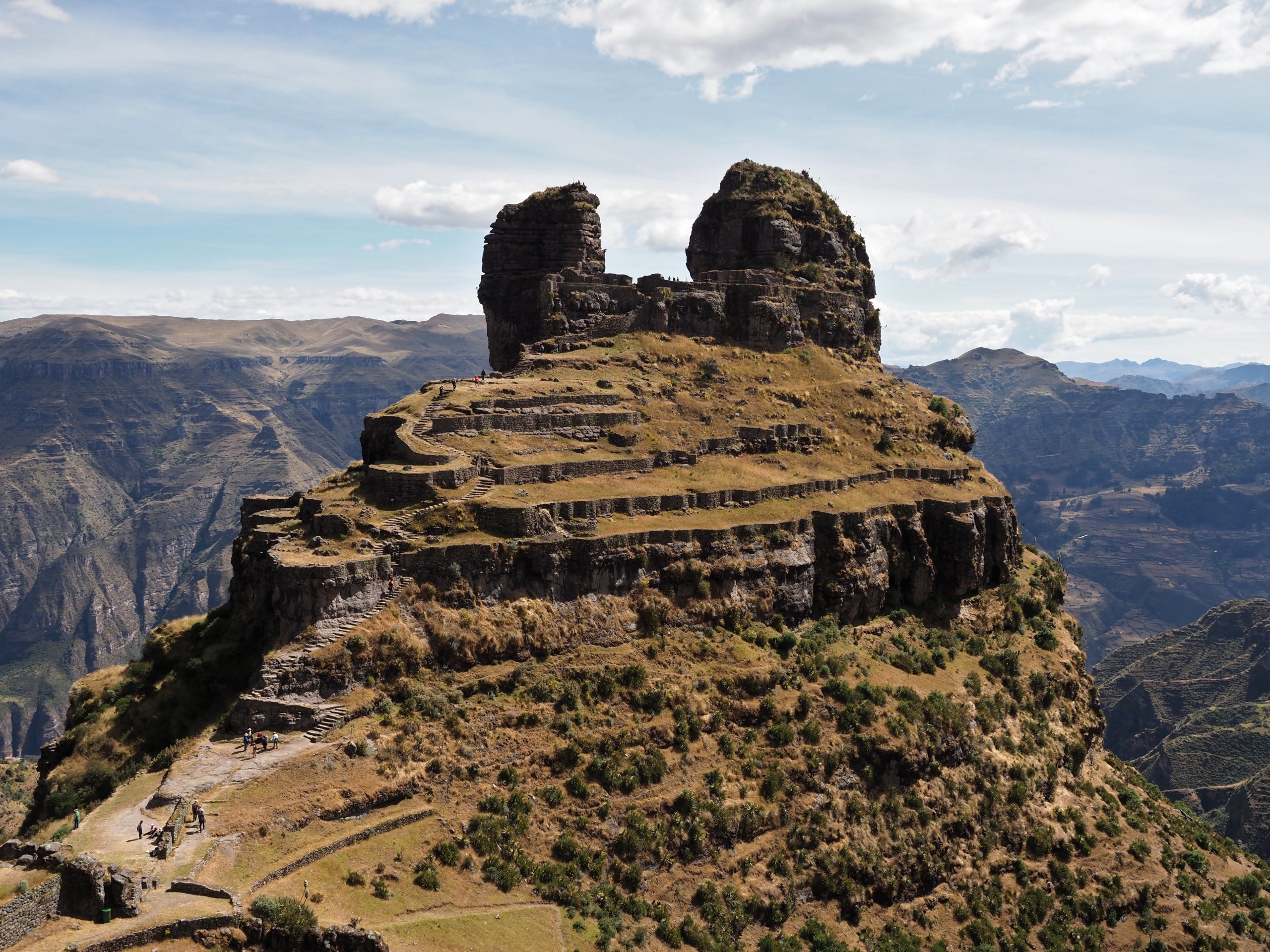
Four towers of volcanic rock sculpted by erosion, perched above the Andean village of Callalli, in the Colca Valley at nearly 4,000 meters.
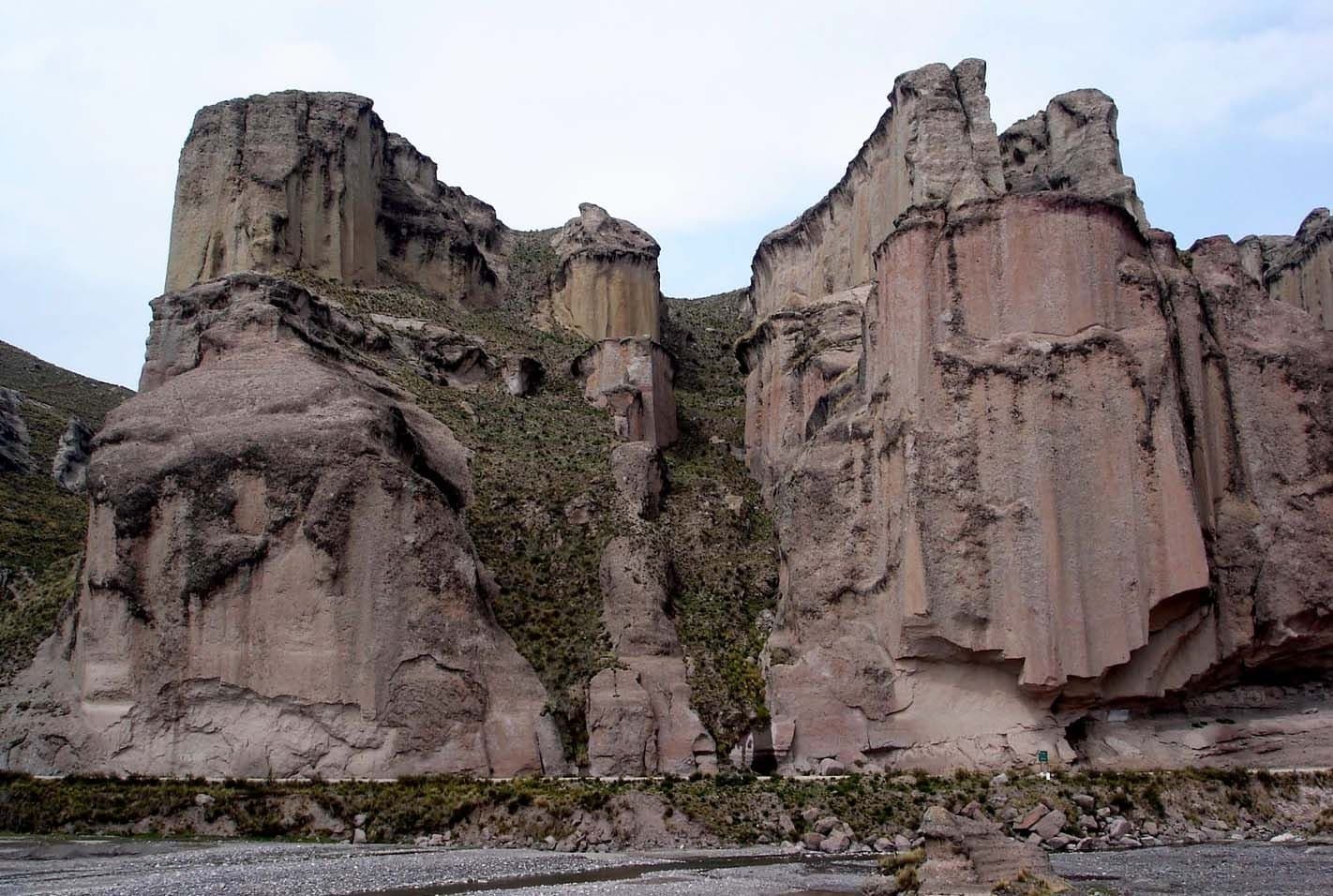
Above the village of Callalli, in the Colca Valley, four rock formations rise in silhouette overlooking stone houses. These columns sculpted by volcanic erosion, nicknamed castillos encantados (enchanted castles), rank among the most singular geological curiosities in the Arequipa region.
Why visit Castillos de Callalli
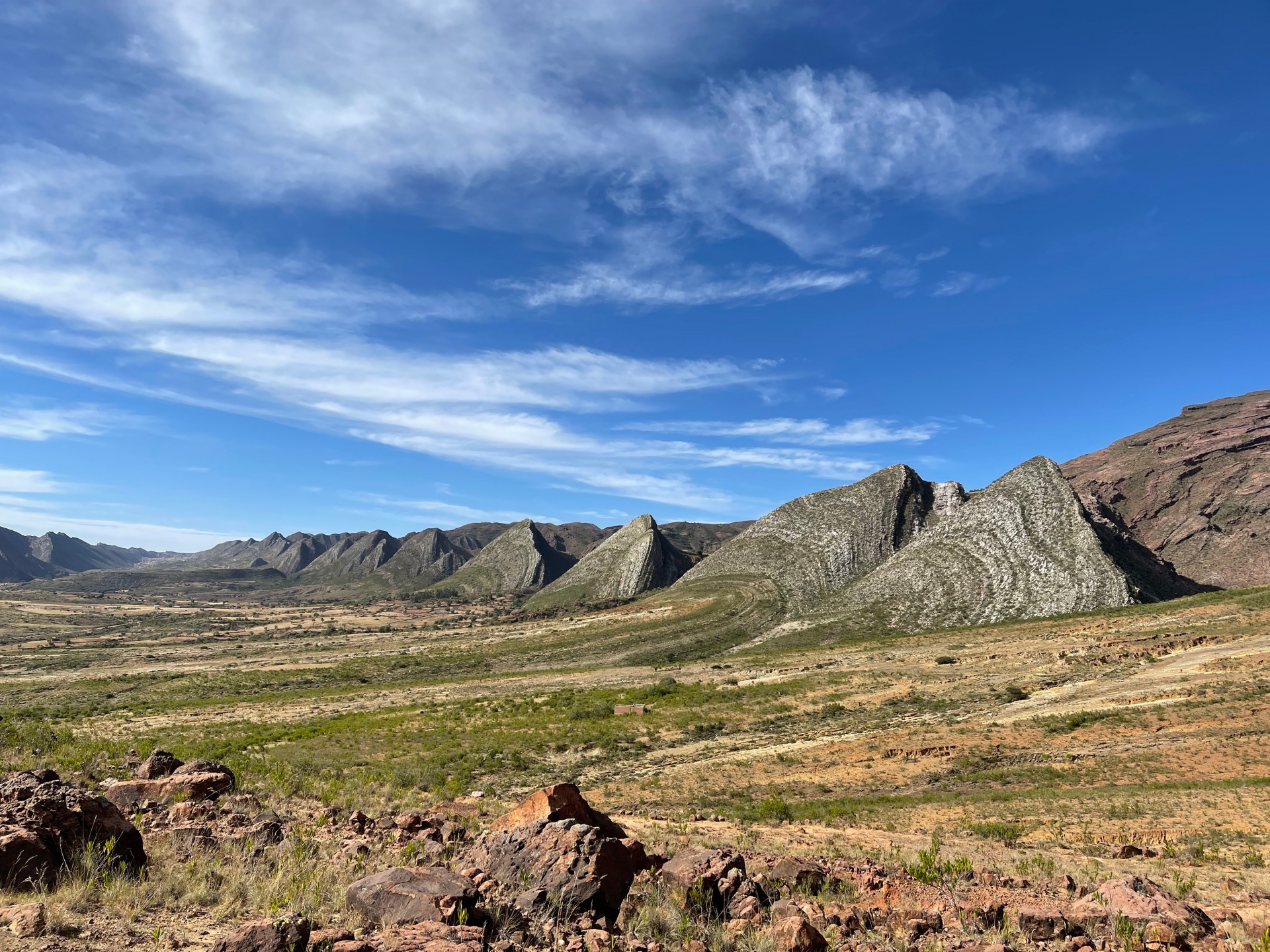
The Castillos are neither a colonial building nor an Inca fortress: they are volcanic sediments shaped by wind and water over millennia. The site combines three interests rarely found together:
- A singular geological landscape of rock towers, accessible in 30 minutes' walk from the village.
- An ancient human heritage, continued by the nearby caves of Mollepunko and their rock art.
- An immersion in highland Andean life, centered around alpaca and vicuña herding.
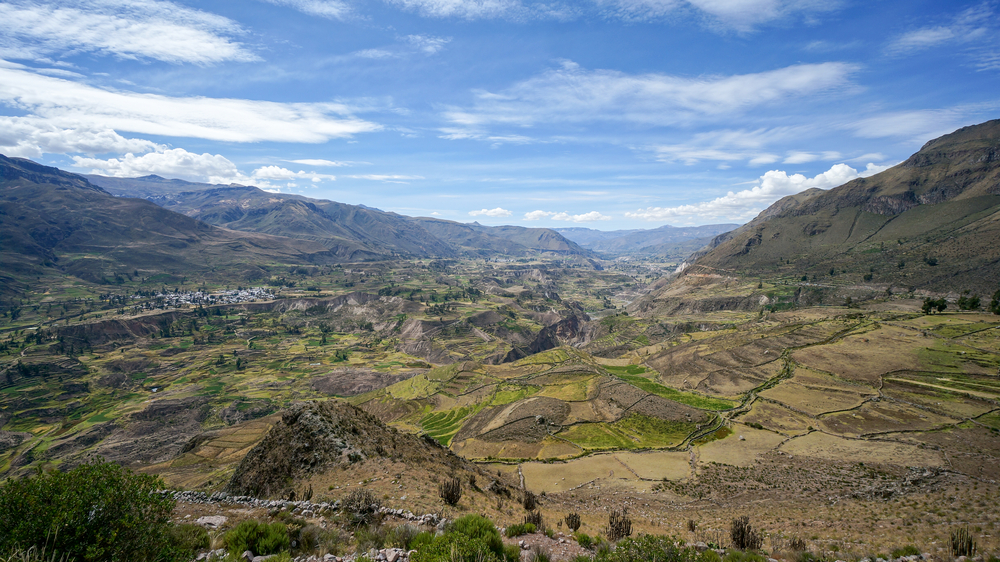
The village sits at just under 4,000 meters altitude, away from the classic circuits of Colca Canyon, making it a sought-after stop for travelers wishing to avoid the crowds at Chivay or Cruz del Cóndor.
History and legend
Callalli was founded in 1573 by the Spanish under the name Alcantara de Callalli. The Catholic church at the center, dedicated to Saint Anthony of Padua, bears witness to this colonial period.
However, human occupation predates this. The Mollepunko caves, nearby, shelter red ochre rock paintings depicting hunting scenes and domestication of camelids. Dating estimates proposed by researchers vary according to sources and place these works several millennia before our era, among the earliest evidence of vicuña domestication in the Andes.
A local legend tells that the Inca Mayta Cápac, traveling through Callalli from Arequipa, asked the inhabitants what they wished for. When they requested great houses, the sovereign had palaces built at that location. Over the centuries, these palaces are said to have transformed into stone, giving rise to the current formations. This oral tradition, still recounted in the valley, explains the nickname "enchanted castles."
What to see on site
The four rock formations
The ensemble consists of four distinct elements, each bearing a Quechua name:
- Sayasaya
- Torre Qaqa
- Pukara
- Quelqata
The columns reach approximately 13 meters in height and extend over about a hundred meters. The rock, of volcanic origin, displays vertical striations characteristic of wind erosion.
Traditional farms
At the base of the site, several Andean farms welcome visitors. Shepherds typically offer a coca leaf infusion, traditionally consumed to ease the effects of altitude. Herds of alpacas and llamas graze in the surrounding meadows.
The Mollepunko caves
About an hour's drive from the village, these caves form a natural complement to your visit. The red ochre rock paintings, classified by the Peruvian state, illustrate the long pastoral history of the region.
Practical information
Allow approximately 30 minutes' walk from Callalli's center to reach the Castillos. The trail is accessible without a guide, though a local companion enriches the visit with stories related to the site. The complete outing, including exploration of the formations, lasts between 2 and 3 hours.
Bring warm clothing (altitude keeps temperatures cool even during the day), water, sun protection, and good hiking shoes. Prior acclimatization in Arequipa or Chivay is recommended to minimize altitude sickness.
When to visit
The dry season, March through June, offers the best conditions: rains end in late March and trails are passable. June coincides with the alpaca fair, an annual event bringing herders from the region together for competitions, fiber sales, and traditional celebrations. This is an ideal time to combine a visit to the Castillos with observation of local pastoral culture.
From July to September, nights are very cold (frequent frost) but skies remain clear. The rainy season, from December to February, complicates travel on dirt tracks.
How to get there
Callalli lies approximately 150 km north of Arequipa, in Caylloma province. The route typically passes through Chivay, considered the gateway to Colca Canyon and the usual starting point for 3 to 4-day treks to the Castillos.
Several options exist:
- Private vehicle or 4x4 from Arequipa via Chivay: the most flexible option for a custom itinerary.
- Regular bus to Chivay, then local transport or collective taxi to Callalli.
- Organized trek from Chivay, including Sibayo, Callalli, and neighboring villages.
In the surrounding area
The road between Callalli and Sibayo crosses a high plateau where you can stop at the Inca Hot Springs, a natural hot spring bathing site. Within walking distance of the village, the Pachachaca bridge spans an enclosed gorge. Further on, Tisco and the Choqolaqa site complete a loop through the stone villages of upper Colca.
To further explore the Arequipa region, Pampa Cañahuas National Reserve allows you to observe wild vicuñas on the road connecting Arequipa to the canyon. Hot spring enthusiasts will also appreciate Cocalmayo, on the Sacred Valley side. For archaeological interests, Caral City and Ollantaytambo ruins offer other perspectives on the Andean past.
Frequently asked questions
Frequently asked questions
The village sits at nearly 4,000 meters. Acclimatization of 24 to 48 hours in Arequipa (2,335 m) then Chivay (3,600 m) is recommended. Shepherds traditionally offer coca leaf infusion, an ancient local practice.
Allow 2 to 3 hours for the round-trip walk and exploration of the formations. A full day allows you to include nearby farms and a detour to the Mollepunko caves.
It is possible but not recommended: the drive is long and altitude requires time. An overnight stay in Chivay or directly in Callalli is preferable.
The Castillos are natural geological formations, not human constructions, despite their tower-like appearance. Volcanic erosion sculpted these columns, to which Inca legend later attached a narrative.
The village has a few basic hostels. For more comfort, Chivay offers fuller hotel options about an hour's drive away.
Preparing your trip
Castillos de Callalli integrate naturally into a Colca Canyon circuit, complementing better-known stops at Chivay, Cruz del Cóndor, or Yanque. To build a custom itinerary including Arequipa, Colca, and the southern Andes, consult our trips to Pérou.
Interested in this visit?
We can include it in your personalised itinerary.