Balcón del Diablo
Balcón del Diablo
Natural and archaeological site north of Cusco, Balcón del Diablo combines the Chakán rocky tunnel, Inca sculptures and panoramic views over the valley.
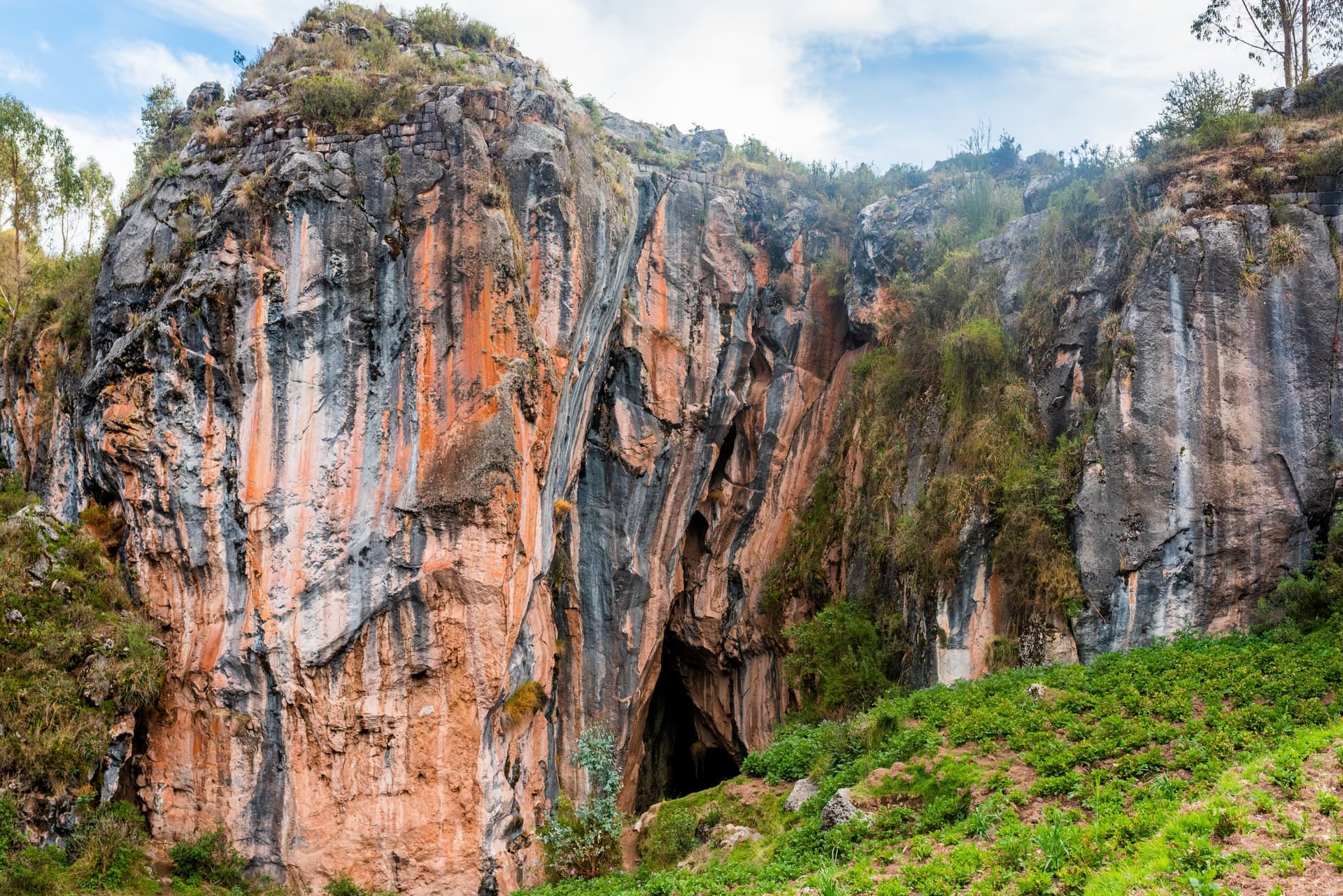
Balcón del Diablo is a natural and archaeological site located on the northern heights of Cusco, near Sacsayhuamán. It combines rock formations shaped by erosion, Inca remains and viewpoints over the valley. Less crowded than the region's major sites, it appeals to walkers and outdoor enthusiasts spending a few days in Cusco.
Why visit Balcón del Diablo
The site's appeal rests on three elements. First, a geological tunnel carved by the Chakán river, roughly 45 metres long, which you can traverse on foot depending on water levels. Next, the presence of Inca sculptures in the shape of chacanas (Andean crosses) carved directly into the rock, a reminder that the area was part of the ritual zone surrounding Sacsayhuamán. Finally, an open panorama over the high plateaus surrounding Cusco, accessible after a moderate hike.
The altitude close to 3,700 metres calls for a careful pace: plan this excursion after two or three days of acclimatisation in Cusco.
History and legend of the site
The Chakán river, which runs through the area, long served to irrigate the surrounding agricultural terraces, notably the maize and potato fields farmed by communities established north of Cusco. This water management was part of the Inca hydraulic network of which Sacsayhuamán was the main centre.
A local legend is attached to the place: two young lovers are said to have loved each other despite their families' disapproval. The Andean deities, angered by this transgression, are said to have turned the young woman to stone. This petrification, according to oral tradition, would explain one of the mineral silhouettes observed on site. The story illustrates the central place of natural forces — mountains, water, rock — in Andean cosmology.
The site remains less documented than the major neighbouring complexes, but the sculptures found suggest a ceremonial use linked to water and apus (mountain spirits).
What to see on site
The Chakán river tunnel
Roughly 45 metres long, this passage was shaped by the flow of the Chakán through the rock. It can be traversed on foot when the water level permits, generally in the dry season. A headlamp is useful.
Inca sculptures
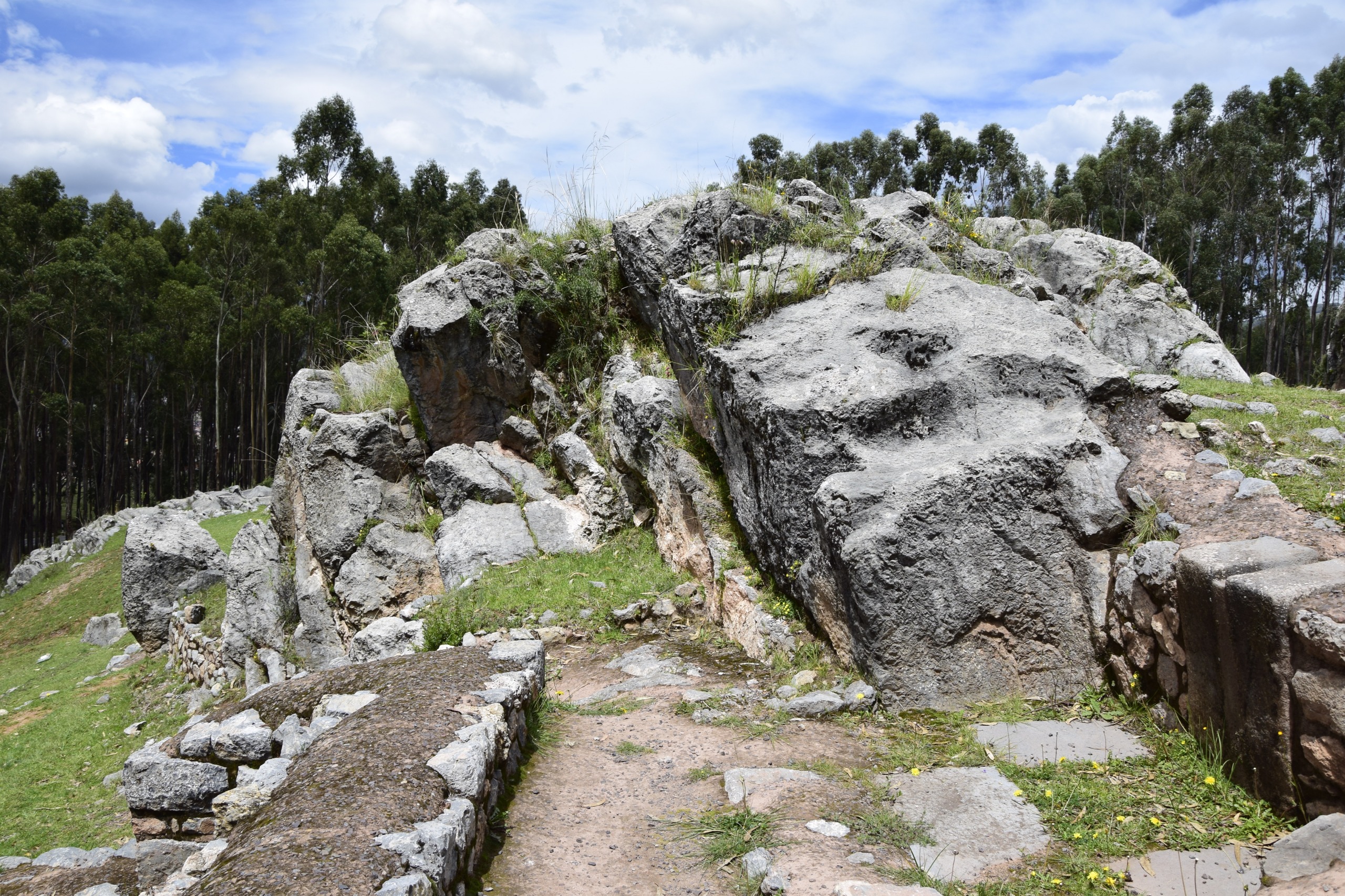
Several chacanas and niches are carved directly into the stone, along with platforms and walls in rusticated masonry. The whole can be explored freely, with no museum displays on site.
The viewpoint and valley
The high point offers a view over the north valley of Cusco and the ridges rising towards Chinchero. It is also from here that the rock creates the silhouettes to which the legend refers.
Guided activities
Several Cusco agencies offer downhill mountain biking, rock face abseiling, horse riding on the trails surrounding Sacsayhuamán and, more rarely, outdoor yoga sessions from the site or nearby. These services are not organised on site: they must be booked in advance in Cusco.
Practical information
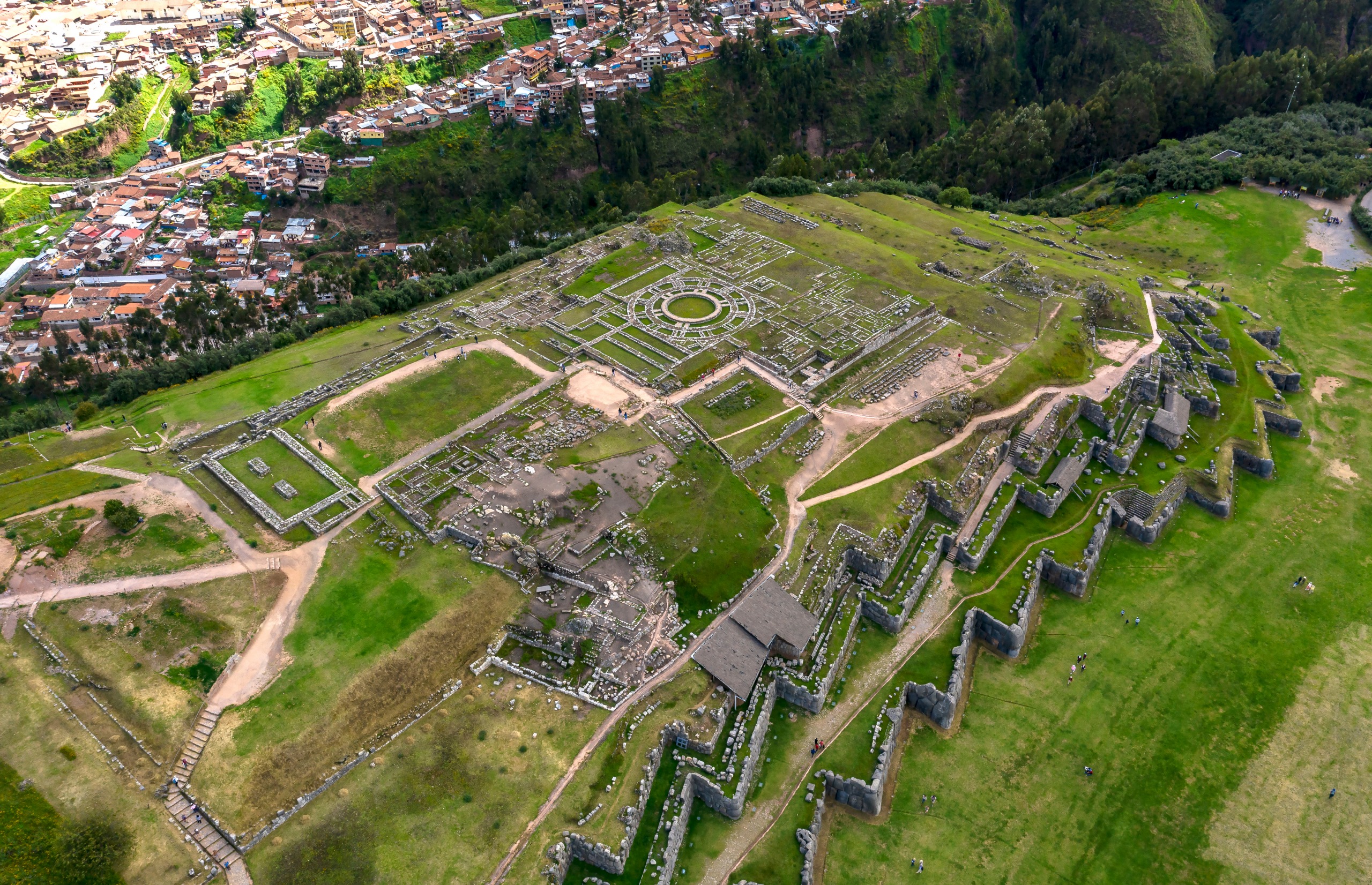
Balcón del Diablo is located within the broader archaeological sector of Sacsayhuamán. Entry to Sacsayhuamán archaeological park is generally covered by the Cusco tourist ticket (boleto turístico), which you may need to show at checkpoints. Check current access conditions with your accommodation or a local agency, as the exact controlled perimeter may change.
Allow 2 to 4 hours for a visit depending on the route chosen and your pace. Bring water, a windbreaker, strong sun protection and good walking shoes: the trails are sometimes rocky and the sun is intense at altitude.
When to go
The dry season, from May to October, is the best time: trails are passable, skies are often clear, and the tunnel can be crossed. The rainy season, from November to March, makes the ground slippery and increases river flow, which can complicate or prevent passage through the tunnel. A morning visit is preferable, as rain is more frequent in the late afternoon.
How to get there
- On foot from Cusco's Plaza de Armas: roughly 2 hours' walk via Sacsayhuamán and the Fortaleza community. The most immersive route, but demanding at altitude.
- By bus: to the Cristo Blanco stop (around 30 minutes), then 1.5 hours' walk to the site.
- By taxi: 15 minutes from Cusco to Sacsayhuamán, then 1.5 hours' walk.
- Organised tour: many Cusco agencies include Balcón del Diablo in a hiking or mountain bike circuit including Sacsayhuamán and neighbouring sites.
Combine with nearby attractions
The area is ideal for a full day tour:
- Q'enko (Qenqo), a rock sanctuary a few kilometres away, accessible from the same route as Sacsayhuamán.
- The ruins of Ollantaytambo, further into the Sacred Valley for a full day trip from Cusco.
- Andahuaylillas and its baroque church, south-east of Cusco, for another side of the region's heritage.
Frequently asked questions
Frequently asked questions
Planning your visit
Balcón del Diablo fits naturally into a trip combining Cusco, the Sacred Valley and Machu Picchu. To build a complete itinerary, consult our trips to Pérou.
Nearby
Interested in this visit?
We can include it in your personalised itinerary.