Raqchi
Raqchi
An archaeological site between Cusco and Puno, Raqchi is home to the Wiracocha temple and its 156 storehouses. A rare stop off the beaten path of Machu Picchu.
Located in the Cusco region of Pérou, Raqchi is a fascinating archaeological site that offers valuable insight into the architectural and cultural ingenuity of the Incas. Often less known than Machu Picchu, it brimming with history and mystery. Whether you're an archaeology enthusiast, a history lover, or simply a curious visitor, Raqchi is an unmissable attraction to explore.
Location and Characteristics
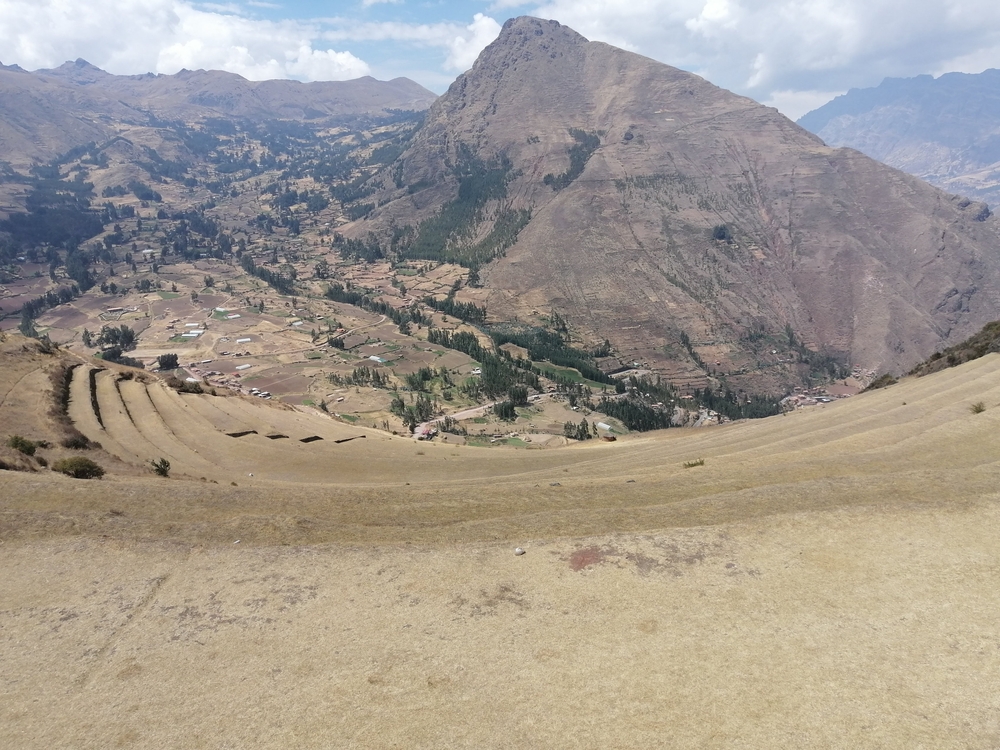
The archaeological complex of Raqchi is situated approximately 117–120 km from the city of Cusco. It lies in the province of Canchis, in the district of San Pedro de Cacha, at an altitude of 3,460 meters. The site is also located near the Quimshachata volcano and the Vilcanota river. Most visitors know it by the name Temple of Viracocha or Wiracocha, after one of its emblematic structures.
Moreover, a village of the same name exists near the archaeological complex and is composed of approximately 80 houses. This locality is characterized by its beautiful artisanal market, a charming church dating from the 19th century, and its magnificent main square. In addition to being farmers for the most part, the inhabitants specialize in the manufacture of pottery from clay and volcanic lava particles. In fact, this defines the name Raqchi, which means "pottery made from volcanic materials."
History
Raqchi is a major archaeological site from the Inca era, located at approximately 3,480 meters altitude. This place was once an important religious and administrative city. It is famous for its temple dedicated to Wiracocha, one of the most important gods in the Inca pantheon, often considered the creator of all things. However, it should be noted that the most revered divinity was Inti, the sun.
Construction of Raqchi dates back to the 15th century, during the reign of Inca emperors Viracocha (or Wiracocha), and his successors Pachacutec and Túpac Yupanqui. He is said to have ordered the construction of the Wiracocha temple to honor the supreme god and to mark the power and grandeur of the Inca Empire. The site is also strategically located on the Qhapaq Ñan, the Inca road network, facilitating commercial and cultural exchanges.
The Wiracocha Temple
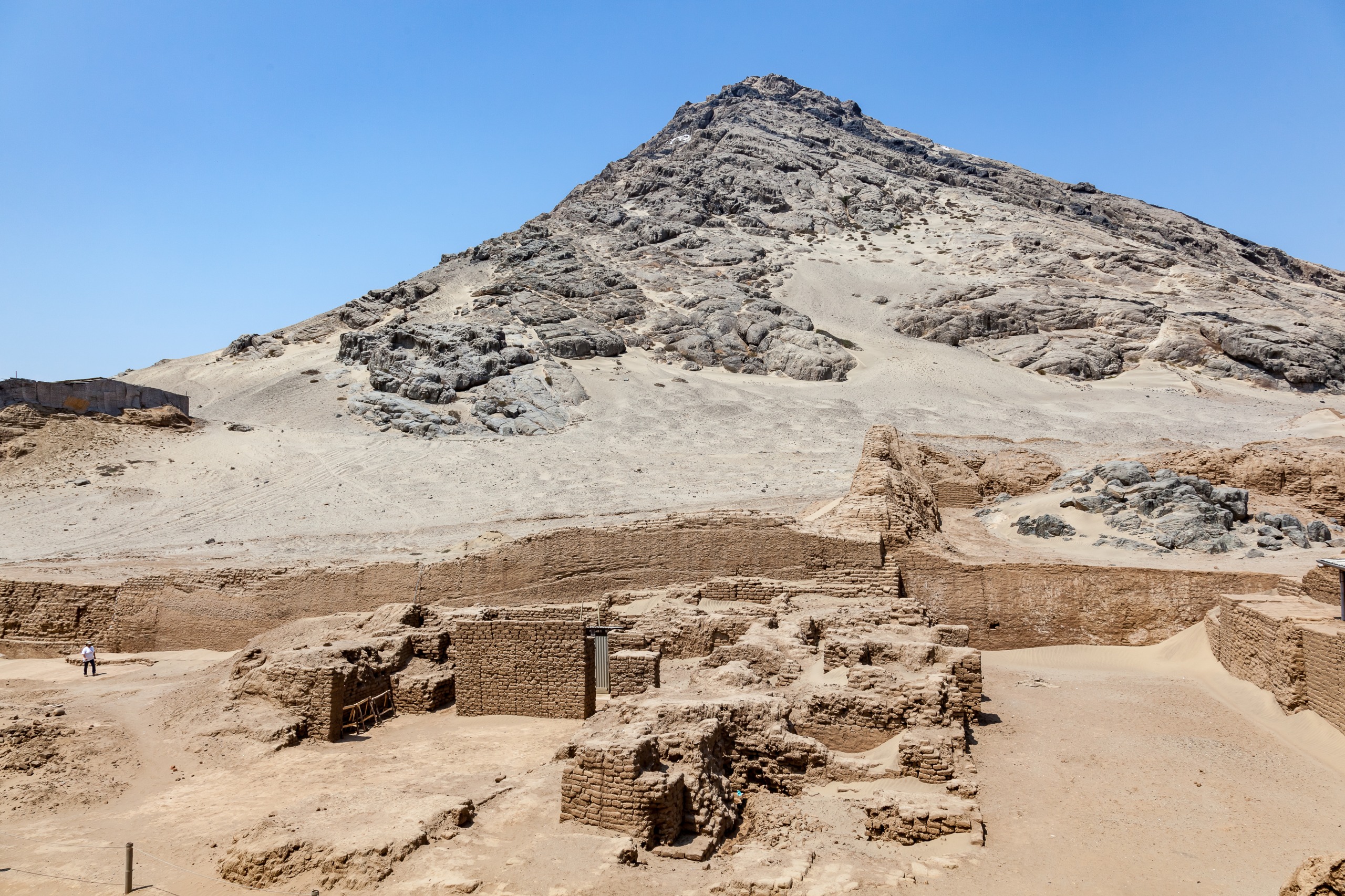
The Wiracocha Temple is undoubtedly the centerpiece of Raqchi. It measures approximately 92 meters long and 25.5 meters wide. This building is distinguished by its impressive walls of stone and adobe, as well as its unique architecture.
What makes this temple particularly remarkable is its two-part structure:
- A solid volcanic stone base
- Adobe walls (sun-dried clay bricks)
Although partially destroyed over time, the central adobe wall reaches approximately 18 to 20 meters high, placed on an andesite stone foundation. The temple's gabled roof was supported by circular columns. You can also see small windows, doors, and main walls adorned with a thin layer of clay resembling a staircase, the Andean cross or Chakana.
Furthermore, the remains of niches and columns suggest that the temple was once magnificently decorated, reflecting the importance of this place in Inca spirituality. It should be noted that during pre-Hispanic times, it is rare to find Inca constructions equipped with columns.
The Storehouses
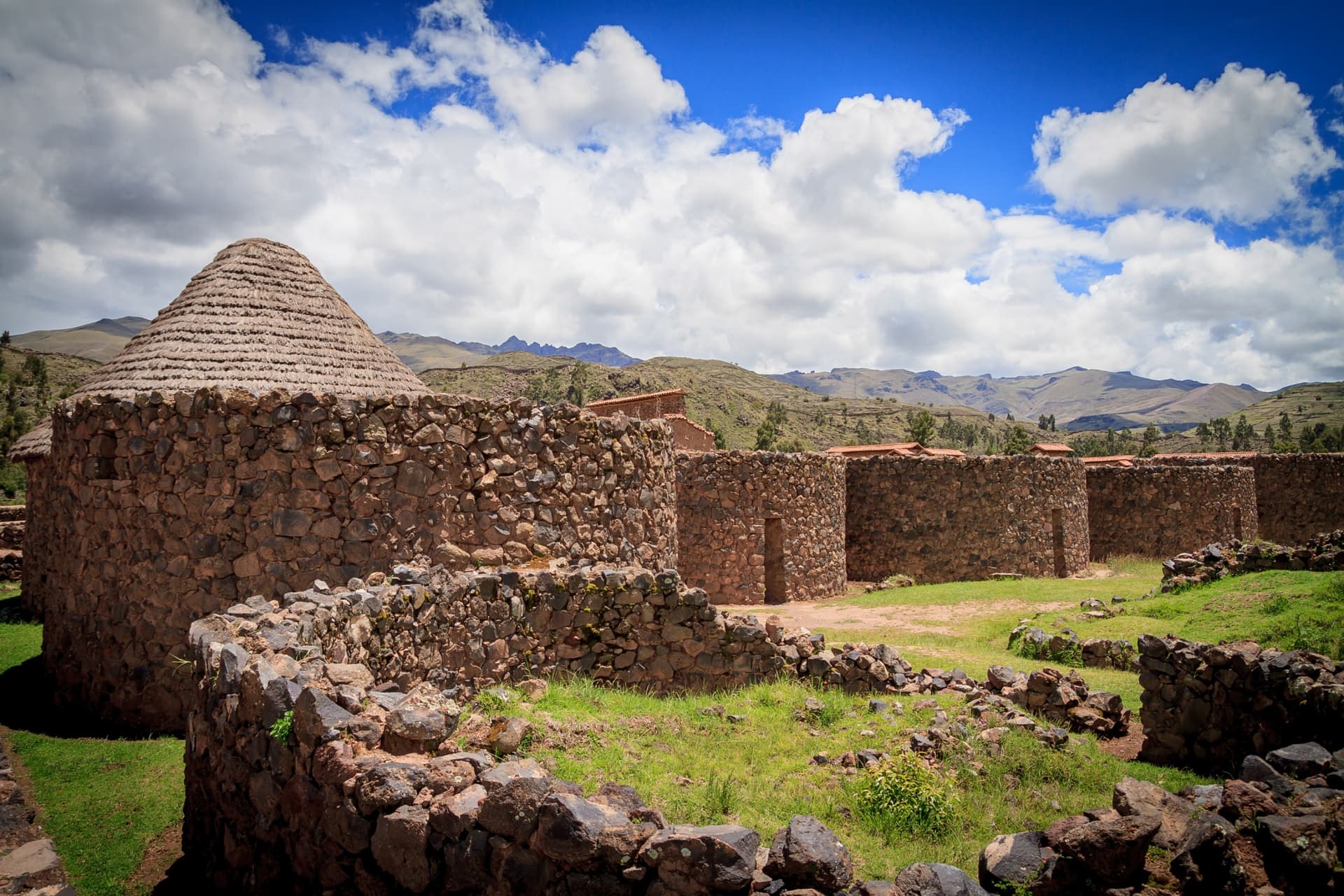
These 156 circular colcas (storehouses) at Raqchi were used to store agricultural surplus and other food supplies
Accommodation in Raqchi
Want to discover this destination?
Our local advisors design your tailor-made trip.