Llachon Village
Llachon Village
On the Capachica Peninsula, Llachon offers a Quechua immersion far from the classic Lake Titicaca circuits. Complete practical guide to prepare your stay.
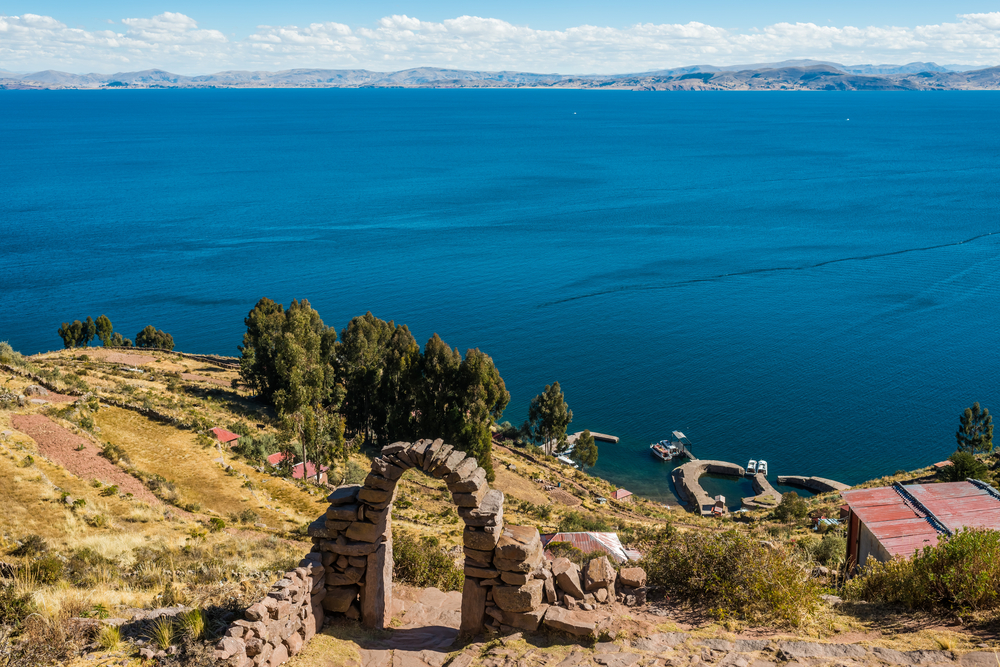
Llachon is a charming small village located east of the town of Chivay. It sits on the Capachica Peninsula along the shores of Lake Titicaca. This destination remains relatively unknown compared to neighboring islands and attracts fewer tourists. Yet it offers an excellent alternative for discovering firsthand the lifestyle of the local population and their culture. Indeed, Llachon provides visitors with an authentic immersion into the culture and traditional way of life of the Quechua communities in the region. Located approximately 70-75 km from the city of Puno, it appeals to travelers seeking experiences rich in tradition, breathtaking landscapes, and warm hospitality.
History and Culture
Llachon's historical roots trace back to the indigenous peoples who long inhabited the shores of Lake Titicaca. These communities have successfully preserved their ancestral traditions, including beliefs, folkloric dances, and unique artisanal practices. Each family proudly perpetuates its cultural heritage through rituals and celebrations that mark the annual calendar. During these festivities, traditional music and colorful costumes captivate visitors as well.
Climate
Llachon features a temperate climate with average temperatures ranging from 10 to 20°C. The best time to visit Llachon is during the dry season, from May to September, when days are sunny and ideal for outdoor activities. However, nights are often cold due to the high altitude. It's best to avoid the rainy season from November to March, when frequent showers make roads difficult to access.
Biodiversity
Surrounded by the crystalline waters of Lake Titicaca, Llachon offers a spectacular landscape dominated by the peaks of the Andes Cordillera. Visitors can discover the region's unique biodiversity, which includes a variety of migratory birds and endemic plants.
Llachon Today
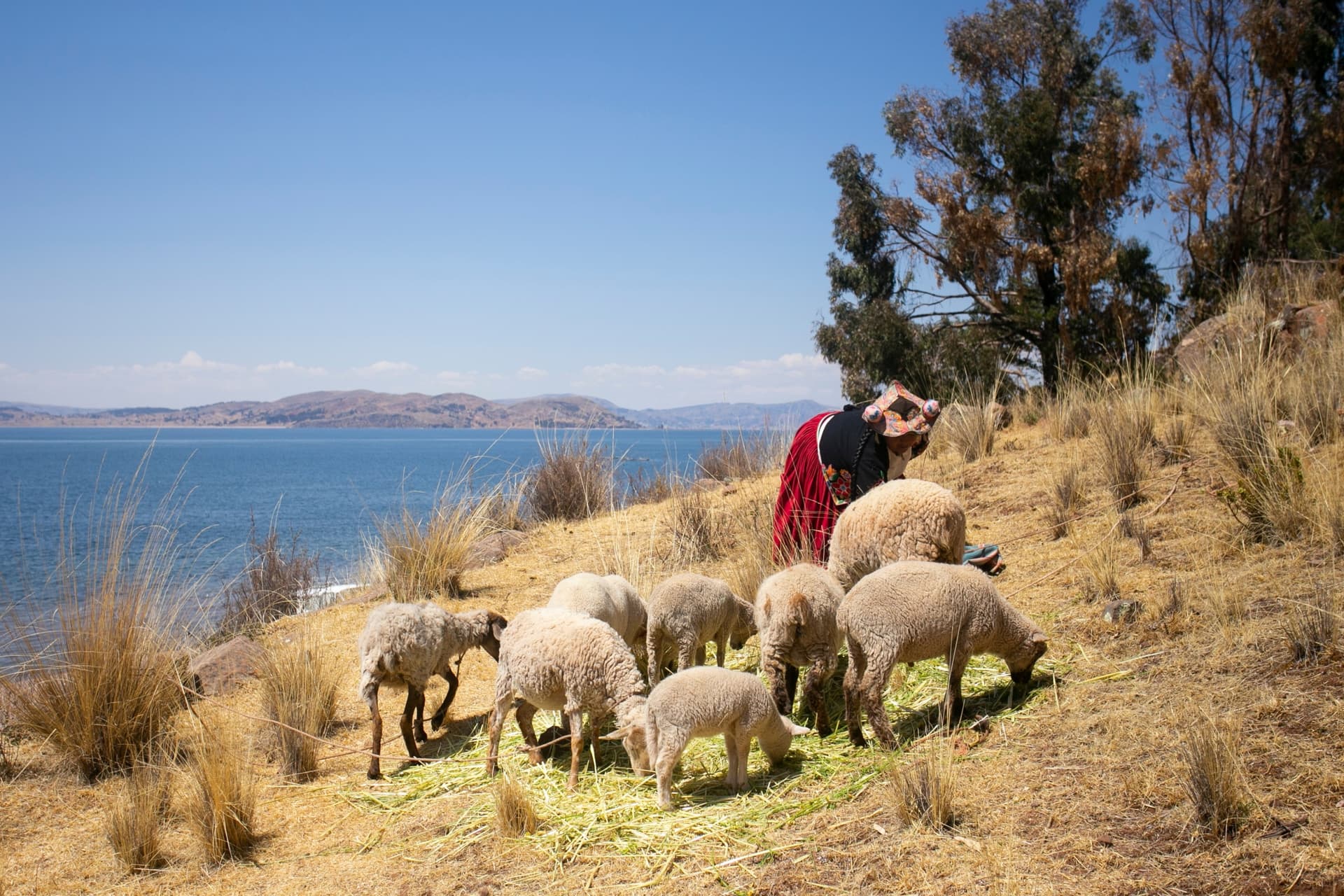
The village of Llachon is home to a peasant community comprising artisans, fishermen, and farmers. Llachon's local economy relies primarily on terraced agriculture and traditional fishing practiced in waters rich in trout and other fish species. Environmentally respectful agricultural practices are essential to maintaining ecological balance while providing sustainable livelihoods for the community. Locals maintain trade relationships with other islands on Lake Titicaca such as Amantani, Uros, and Taquile.
Moreover, Llachon has embraced community tourism as a means of economic development while preserving its culture and environment. Visitors are welcomed into local families. The warm hospitality and friendliness of residents create a welcoming and enriching atmosphere. Shared meals with host families allow travelers to discover not only local cuisine but also the daily customs and traditions of the community.
Llachon offers authentic cuisine based on local ingredients such as:
- Quinoa
- Potatoes
- Corn
- Freshwater fish from Lake Titicaca
Meals are often prepared according to recipes passed down through generations, offering visitors a genuine experience of Quechua cuisine.
In short, during a stay with a host family, visitors can participate in the daily tasks of locals, such as helping with fieldwork, caring for livestock, going fishing, cooking, and more. Moreover, artisanal workshops offer a unique opportunity to observe local artisans at work. During a stay in Llachon, visitors can discover:
- Traditional weaving of textiles made from alpaca or vicuña wool
- Decorative pottery with motifs inspired by Incan art.
These workshops also provide an opportunity to acquire or purchase unique pieces as souvenirs from your village stay.
To reach Llachon from Puno, it's necessary to take a bus found on Jirón Lampa street, near the Bellavista market. The journey takes approximately 1 hour and 45 minutes by bus. If you choose to arrive at Llachon by boat, the crossing of Lake Titicaca takes about two hours.
Furthermore, if departing from Cusco, you must take a first bus to Juliaca with a one-hour journey, a second to reach Capachica, and a final one to arrive at Llachon.
Additionally, it's important to note that there are local travel agencies that offer circuits often including guided tours through the village and its surroundings.
Activities
There are numerous activities to do near Llachon. Here are some options to choose from:
Explore Llachon Village
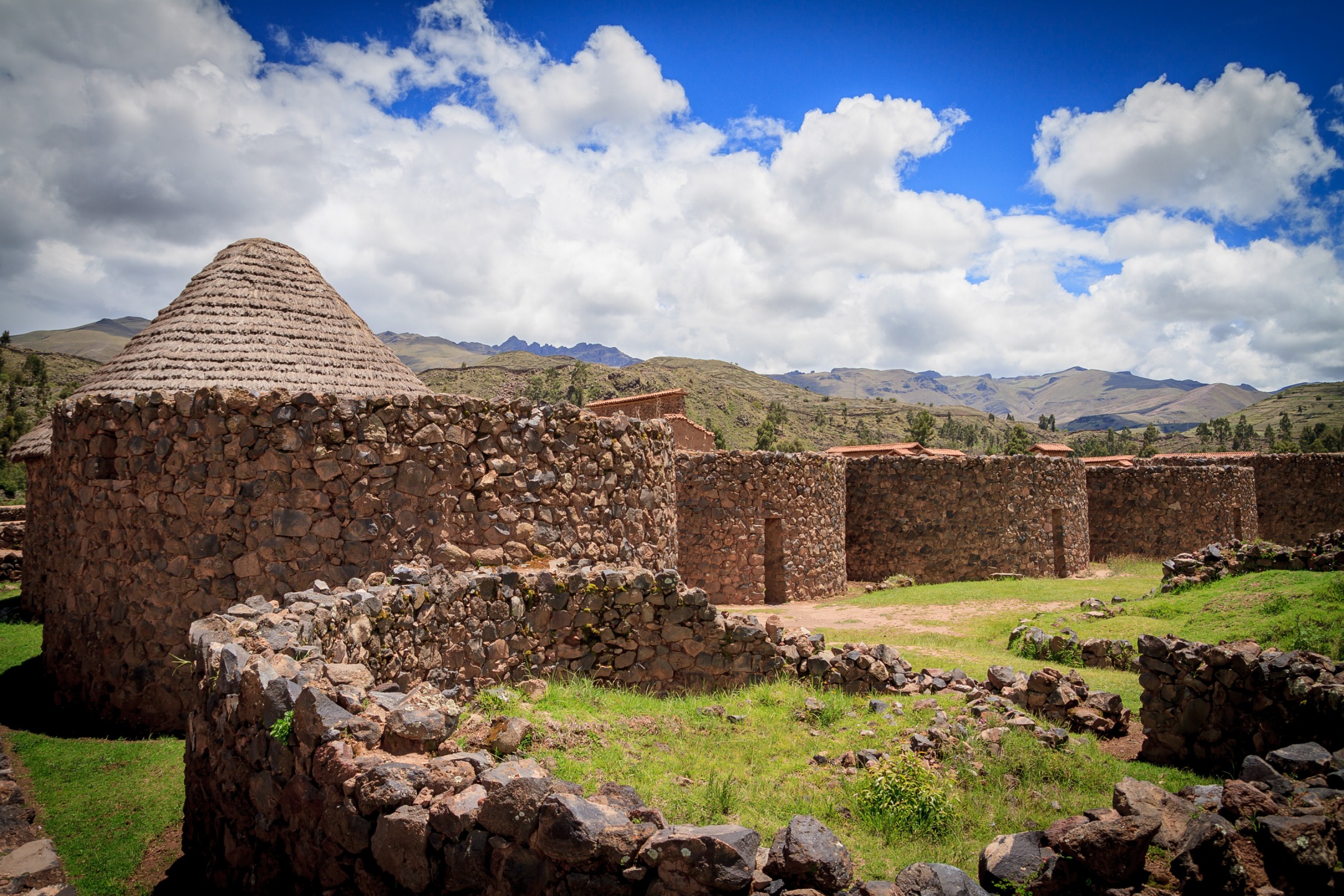
A visit or stay in Llachon is an opportunity to stroll through the village and enjoy the tranquility of its streets. You can see some adobe houses, a school, and a church. It's also possible to walk to the telephone antenna located at the village's viewpoint and enjoy sweeping views of the surroundings. Just a few steps away is a sacred site dedicated to Pachamama, consisting of a stone enclosure.
Take a Boat Excursion on Lake Titicaca
One of the main activities in Llachon is a boat excursion on Lake Titicaca. Visitors can navigate through crystalline waters and explore the famous floating islands of Uros. These are known for their dwellings built from reeds. A visit to Taquile Island, renowned for its handcrafted textiles, also offers an enriching cultural immersion.
Go Fishing with Locals
Fish from Lake Titicaca are highly valued, such as trout and carachi. Local fishermen can welcome visitors aboard their boats and show them traditional fishing techniques. Upon returning to shore, tourists will likely be invited to observe how fresh fish are prepared and cooked.
Hiking and Trekking
The hills surrounding Llachon feature picturesque hiking trails. They allow visitors to discover breathtaking panoramas of Lake Titicaca and the snow-capped peaks of the Andes. Local guides can accompany hikers along paths winding between terraced fields and traditional villages.
Discover Agricultural Fields
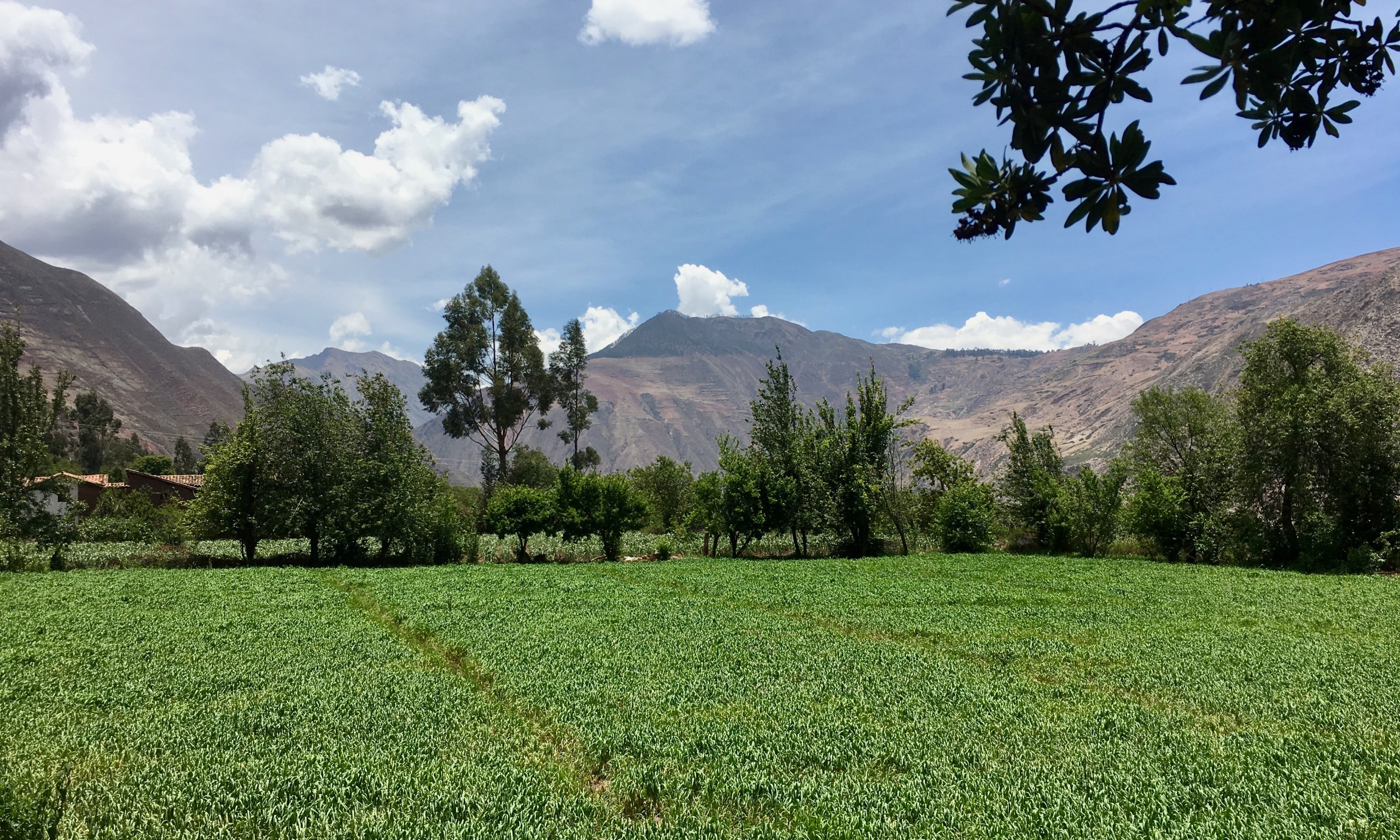
To produce their grains and vegetables, Llachon's farmers use ancient Incan agricultural terraces. During a stay in the village, visitors can learn more about the methods locals use to work in the fields. Farmers also take time to introduce travelers to the plant species found in the region.
Want to discover this destination?
Our local advisors design your tailor-made trip.