Cusco
Cusco
An ancient Inca capital at 3,400 meters altitude, Cusco blends pre-Columbian ruins, colonial architecture and Quechua culture. Gateway to Machu Picchu.
Join us on a journey to Cusco for an adventure into the heart of the Inca empire! An essential destination on any trip to Pérou, Cusco sits amid the Andes at approximately 3,400 meters altitude. It offers an extensive array of archaeological visits, as its region is brimming with ruins and has been designated a UNESCO Cultural Heritage Site of Humanity.
A small linguistic detail: Cuzco, with a z, means "dog" in Quechua. That's why locals prefer to spell their city's name with an s… Cusco!
Cusco, the unmissable city of a Pérou journey
Cusco was the capital of the Inca empire, the navel of the world at the heart of the Sacred Valley. Today, it is a city of 300,000 inhabitants nestled in the Andes, blessed with genuine cultural richness and a fascinating archaeological heritage that travelers from around the world come to admire.
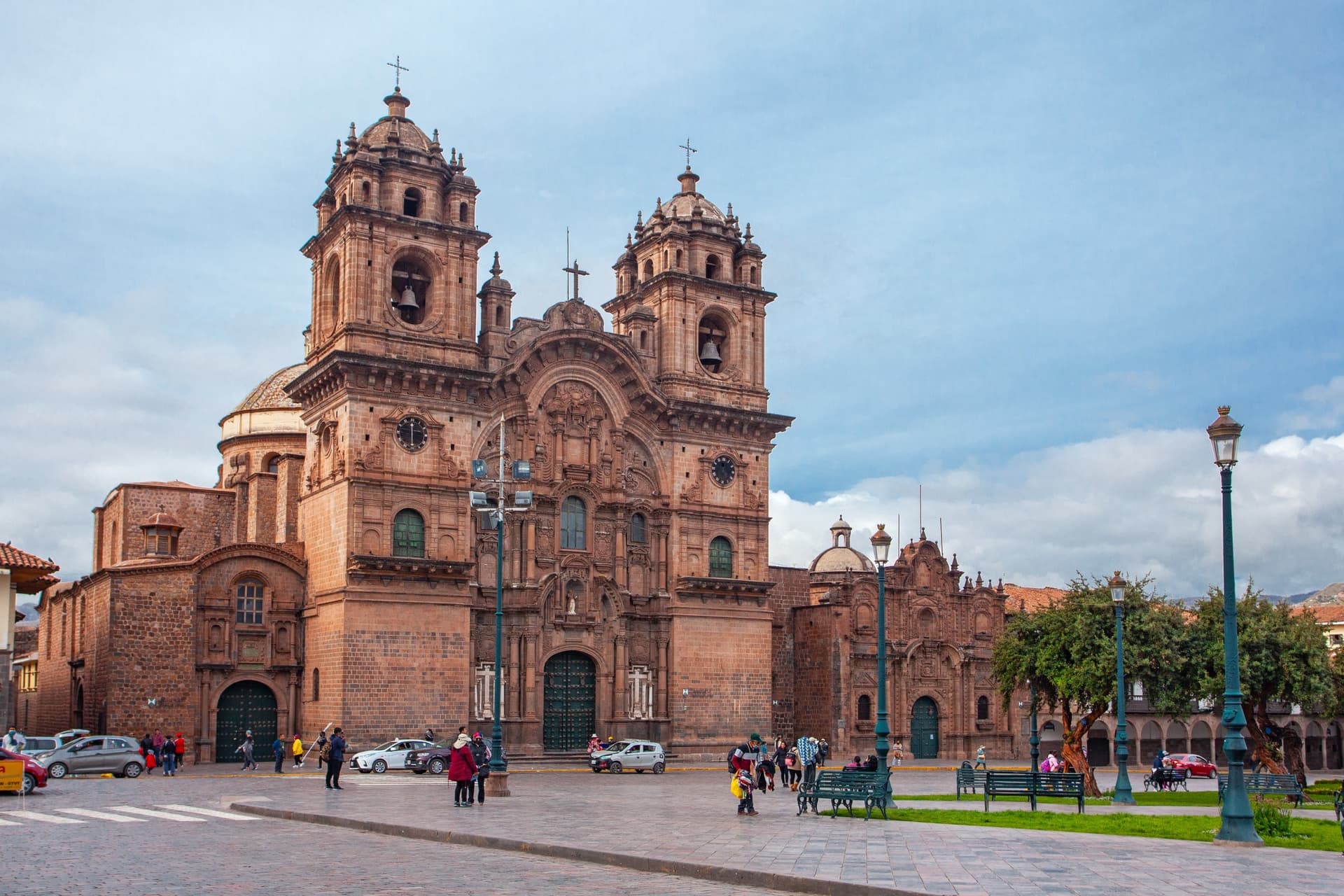
The Sacred Valley indeed offers impressive archaeological sites such as Sacsayhuamán, Ollantaytambo, Pisac, and the world-famous Machu Picchu. Among the vestiges of this great Inca civilization are the famous precisely-cut stone walls characteristic of the region, which you'll find scattered throughout the city. Cusco's central square quickly charms visitors—a focal point where multiple histories converge: those of the Incas and the Spanish conquistadors—today it stands as an unmissable meeting place.
Peruvian culture is deeply present in Cusco, and you can discover much of it through its numerous museums. Notable ones include the Museum of Pre-Columbian Art (MAP), the Museum of Religious Art, the Chocolate Museum, the Inca Museum, and the Museum of Regional History. Make the most of your stay in Cusco to explore its points of interest: the Cathedral of the Assumption, Plaza de Armas, the Qorikancha temples, stone walls, the Twelve-Angle Stone, and the great San Pedro market.
Exploring around Cusco – The Sacred Valley of the Incas
For centuries, Cusco was the heart of the Inca empire. Cusco is believed to mean "The Navel of the World". The Incas designed this city following a puma-shaped plan and incorporated numerous elements rich in cultural symbolism. Their culture is woven throughout the city and surrounding areas.
Make the most of your stay in Cusco to discover the multitude of archaeological sites scattered throughout the Sacred Valley of the Incas and don't miss Qenko, Pisac, Puca Pucara, Sacsayhuamán, Tambomachay, Ollantaytambo, and the famous Machu Picchu, designated as one of the Modern Wonders of the World.
Take time to explore the villages, discover cultural treasures, traditional costumes, Andean cuisine, local craft workshops, observe herds of llamas and alpacas, and visit the famous Maras salt ponds, where Peruvians have harvested salt since Inca times. You can also trek to the Choquequirao citadel, which is poised to become the second Machu Picchu as archaeological excavations continue.
Activities to experience in Cusco
Whitewater rafting, horseback riding, mountain biking adventures deep in the Peruvian Andes are just some of the ways to discover the region. Magnificent hiking trails are available, notably along the Inca Trail. The Moray-Maras trek or the Lares trek, the Huchuy Qosqo trek, and for more adventurous travelers, treks through the Apu Ausangate cordillera all offer stunning scenery and unforgettable memories from your Pérou journey.
What is the climate like in Cusco?
The city's relative proximity to the equator and its high altitude mean Cusco enjoys a temperate climate with regular, mild weather and two distinct seasons, much like many regions throughout Pérou.
Cusco's region and city experience a dry season stretching from May to September. During this period, rainfall is rare—sometimes less than 1 cm. Nights are cool, so be sure to bring layers.
The wet season runs from October to April. Some months see 100 to 120 or even 160 mm of rainfall. Caution is advised during this period, as swollen rivers and heavy downpours can wash out roads or trigger landslides.
Situated high in the Andes at very high altitude, Cusco experiences sometimes harsh temperatures. Minimum temperatures range between 0 and 6 degrees Celsius, and maximum temperatures vary between 18 and 21 degrees Celsius, with an average around 9 to 13 degrees. June and July are the coldest months of the year.
Cusco is accessible by bus from Lima, Puno, or Arequipa via numerous operating companies. You can also reach it by air, with flights serving Alejandro Velasco Astete International Airport from Lima and Arequipa.
Attractions in Cusco
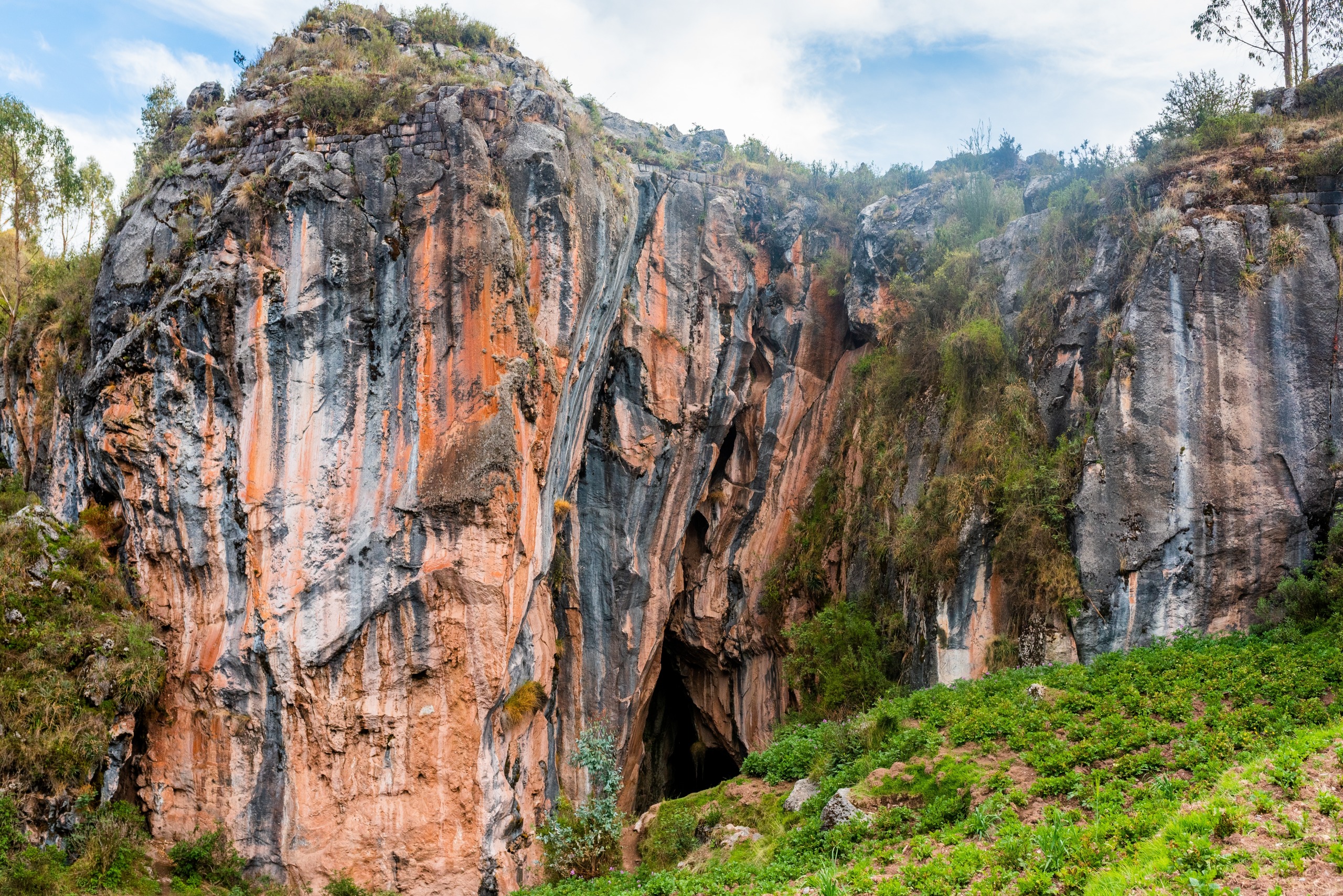
Balcón del Diablo
Le Balcón del Diablo est un site naturel et archéologique situé sur les hauteurs nord de Cusco, à proximité de Sacsayhuamán.
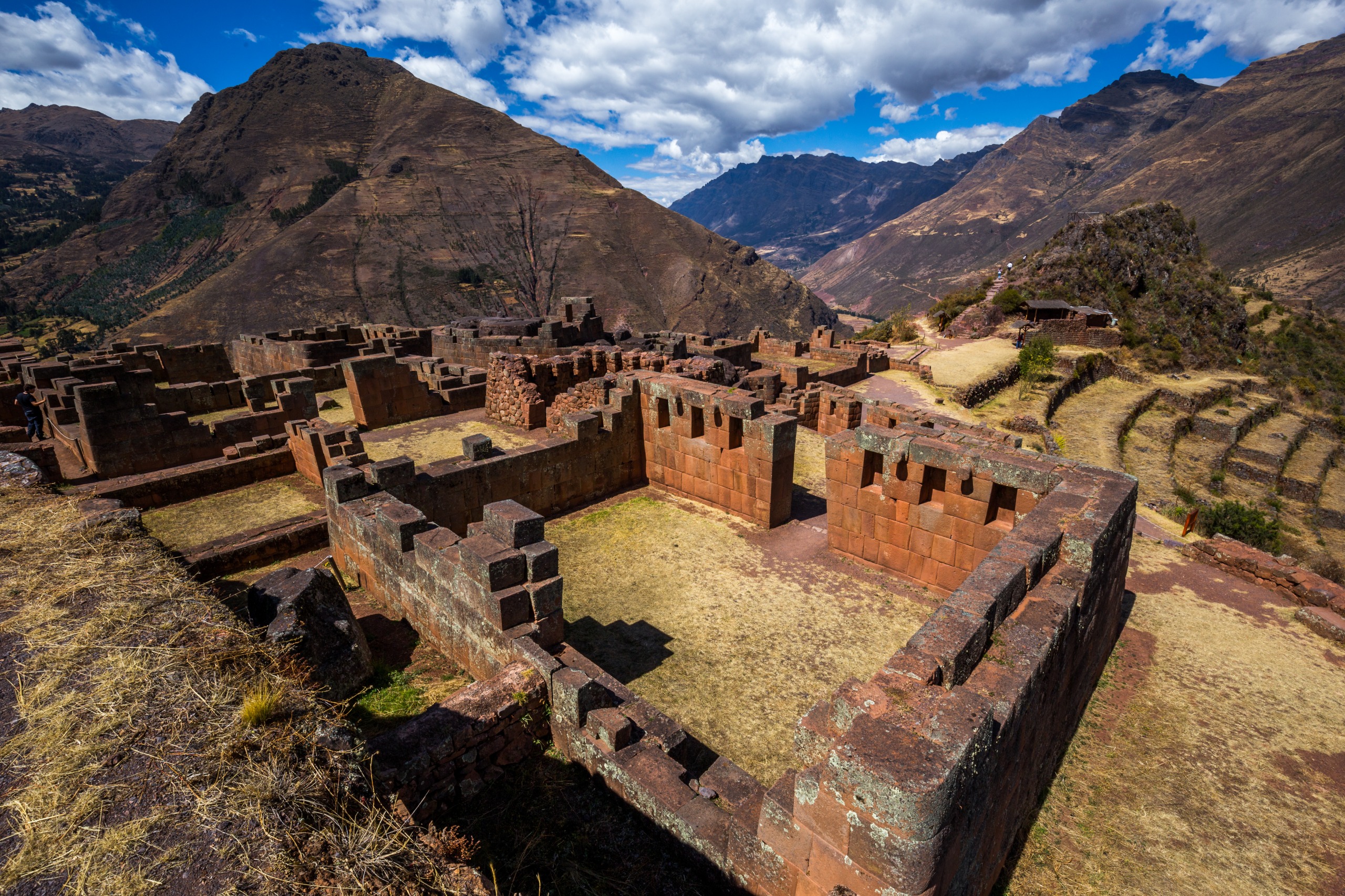
Pisac
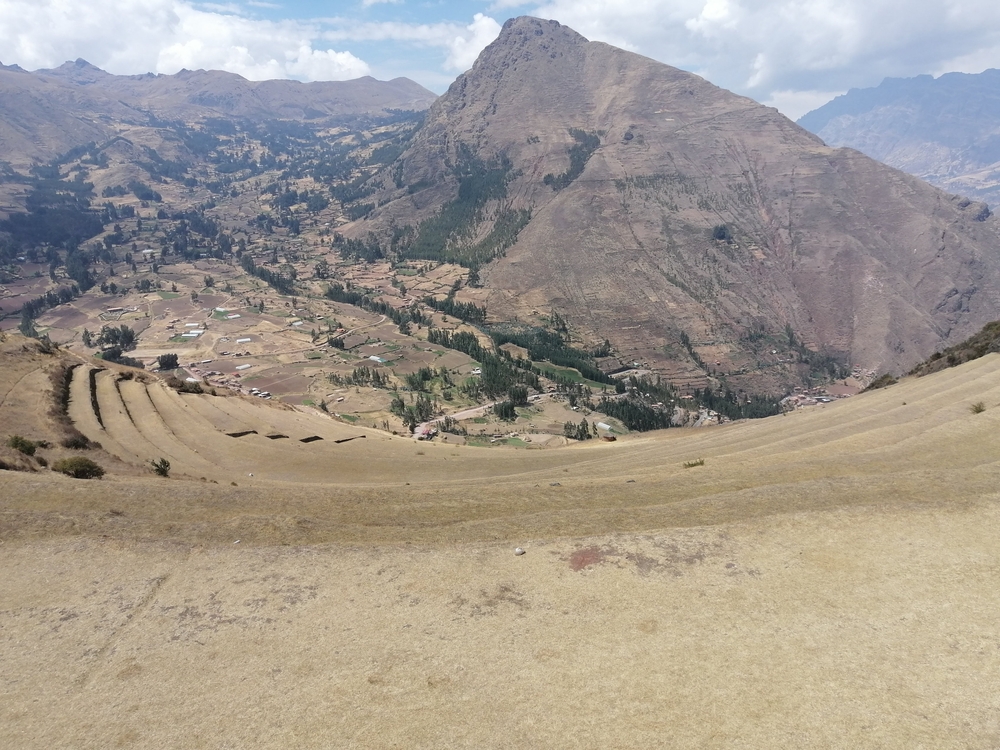
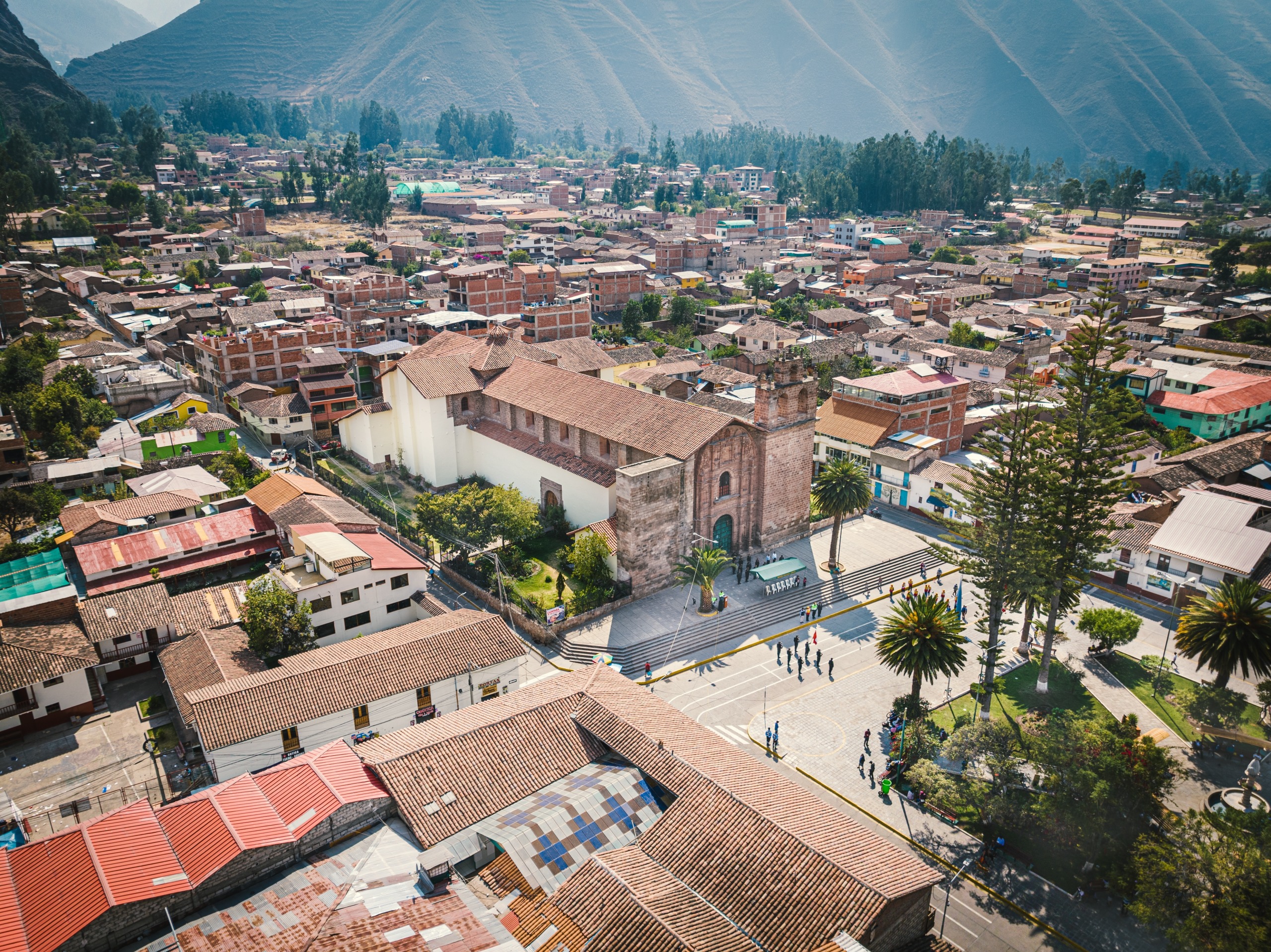
À une trentaine de kilomètres au nord-est de Cusco, Pisac marque l'entrée orientale de la Vallée Sacrée des Incas.
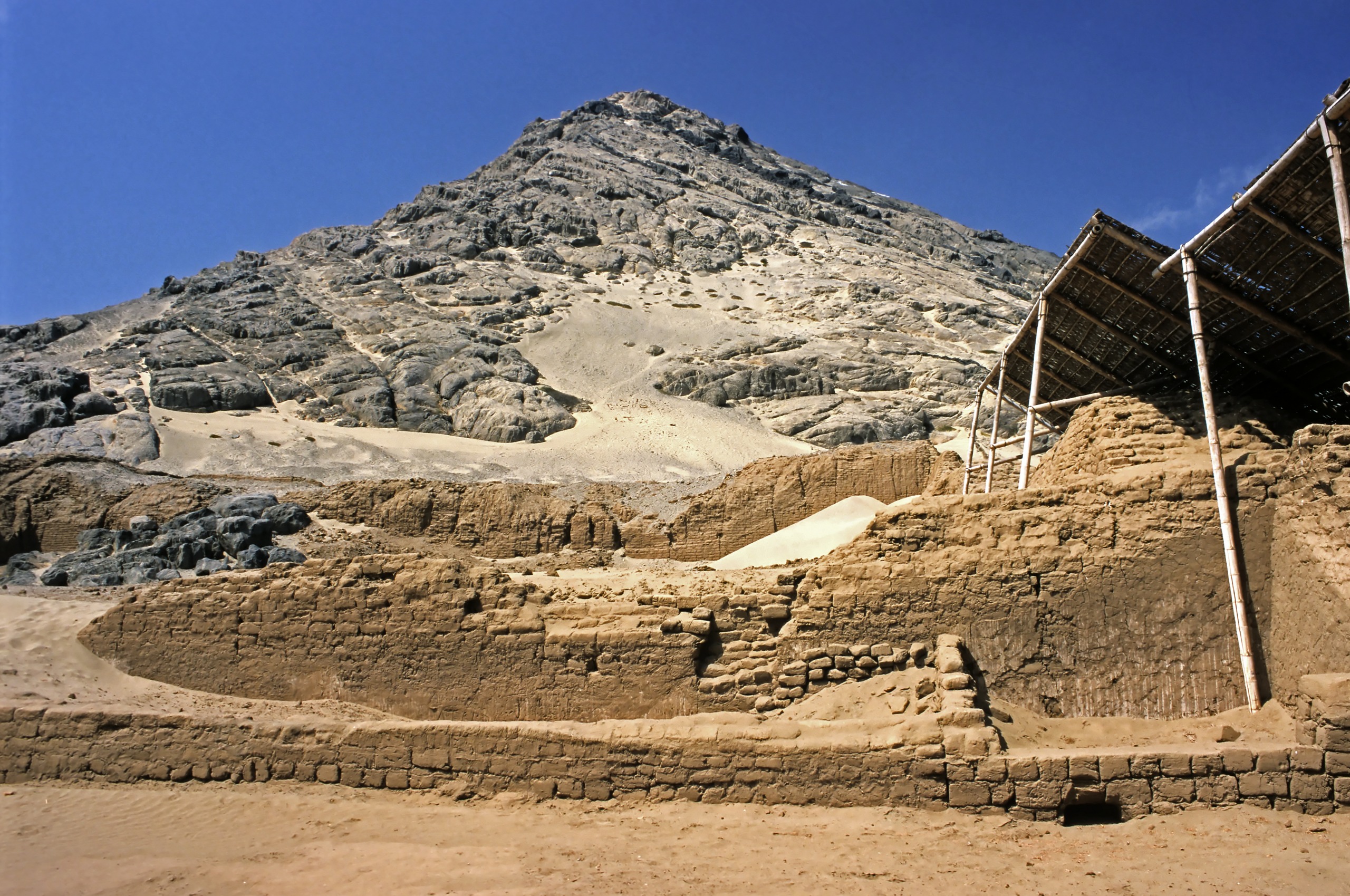
Temple de la lune
Le Temple de la Lune est un site cérémoniel inca aménagé dans une grotte naturelle, sur le flanc nord du Huayna Picchu, à proximité immédiate du Machu Picchu.
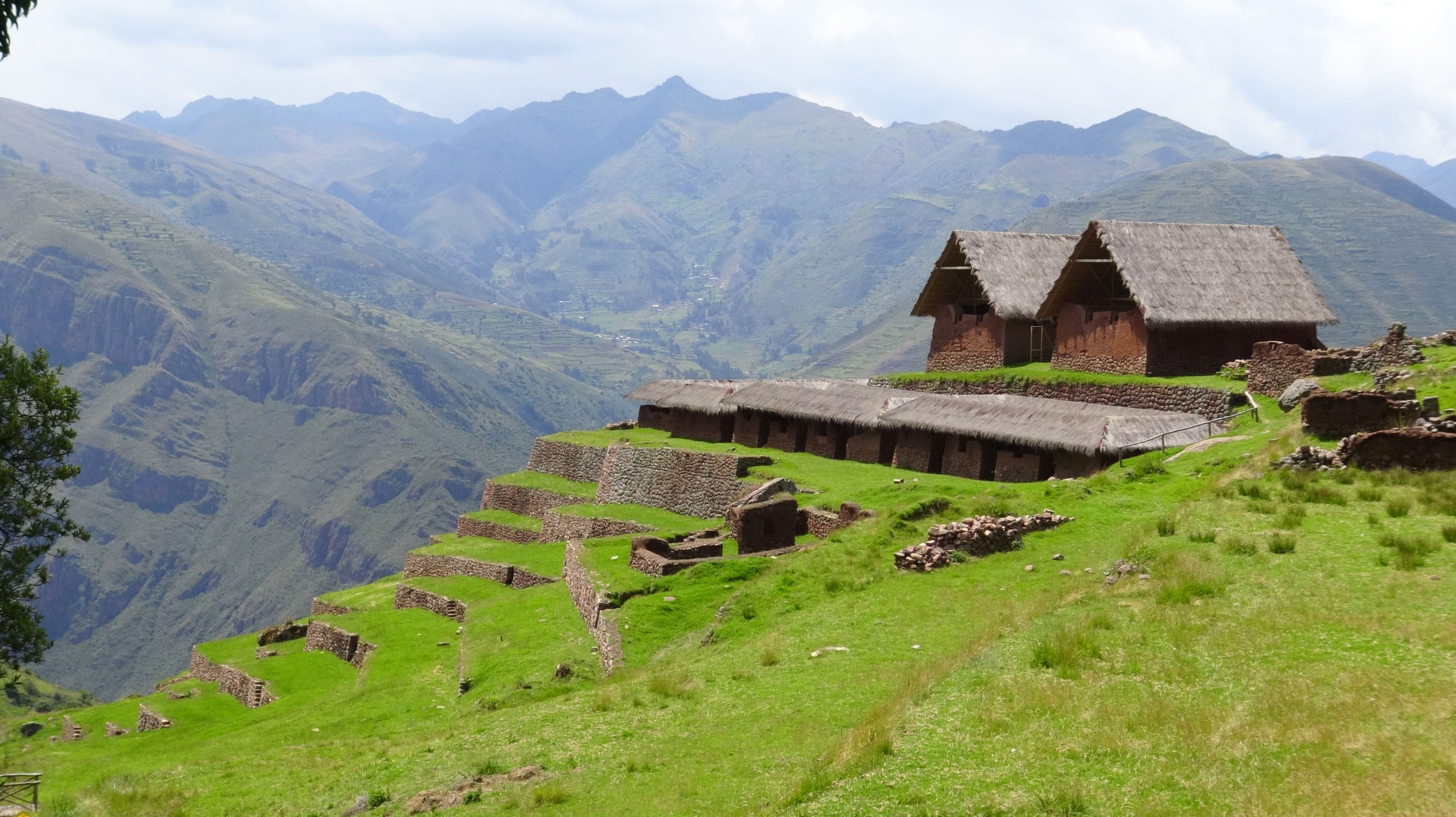
Huchuy Qosqo
Perché à 3 600 mètres d'altitude au-dessus de la Vallée Sacrée des Incas, Huchuy Qosqo (« Petite Cusco ») est un site archéologique inca uniquement accessible à pied.
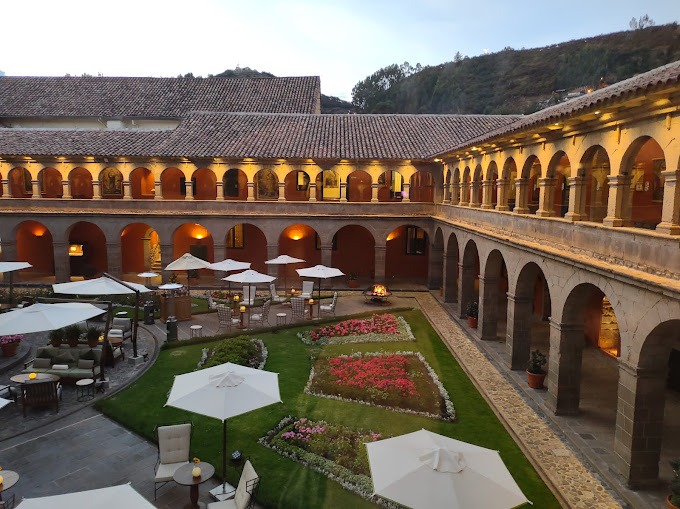
Musée d’art précolombien de Cusco
Installé sur la Plaza Nazarenas, dans le quartier de San Blas à Cusco, le Musée d'art précolombien (MAP) rassemble environ 450 pièces issues de cultures andines antérieures à la conquête espagnole.
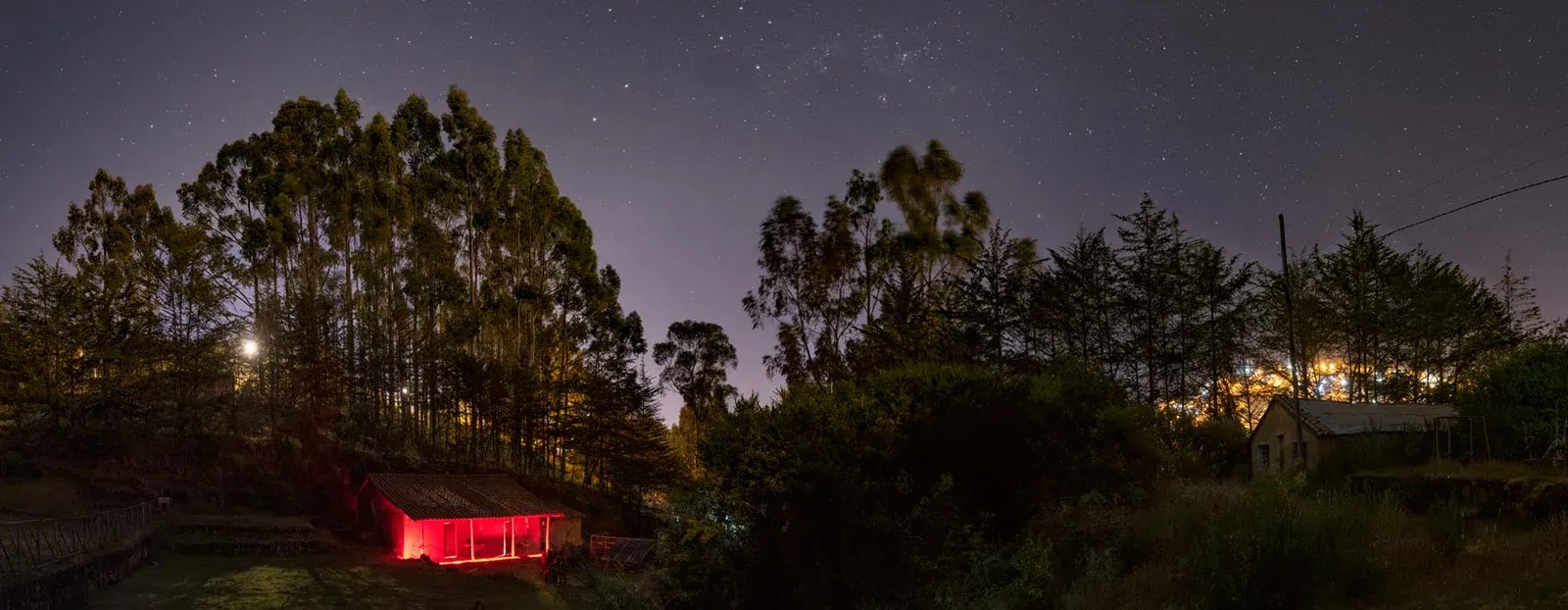
Planetarium de Cusco
Le Planétarium de Cusco propose une lecture du ciel austral à travers la double grille des astronomes contemporains et des observateurs incas.
Accommodation in Cusco
See all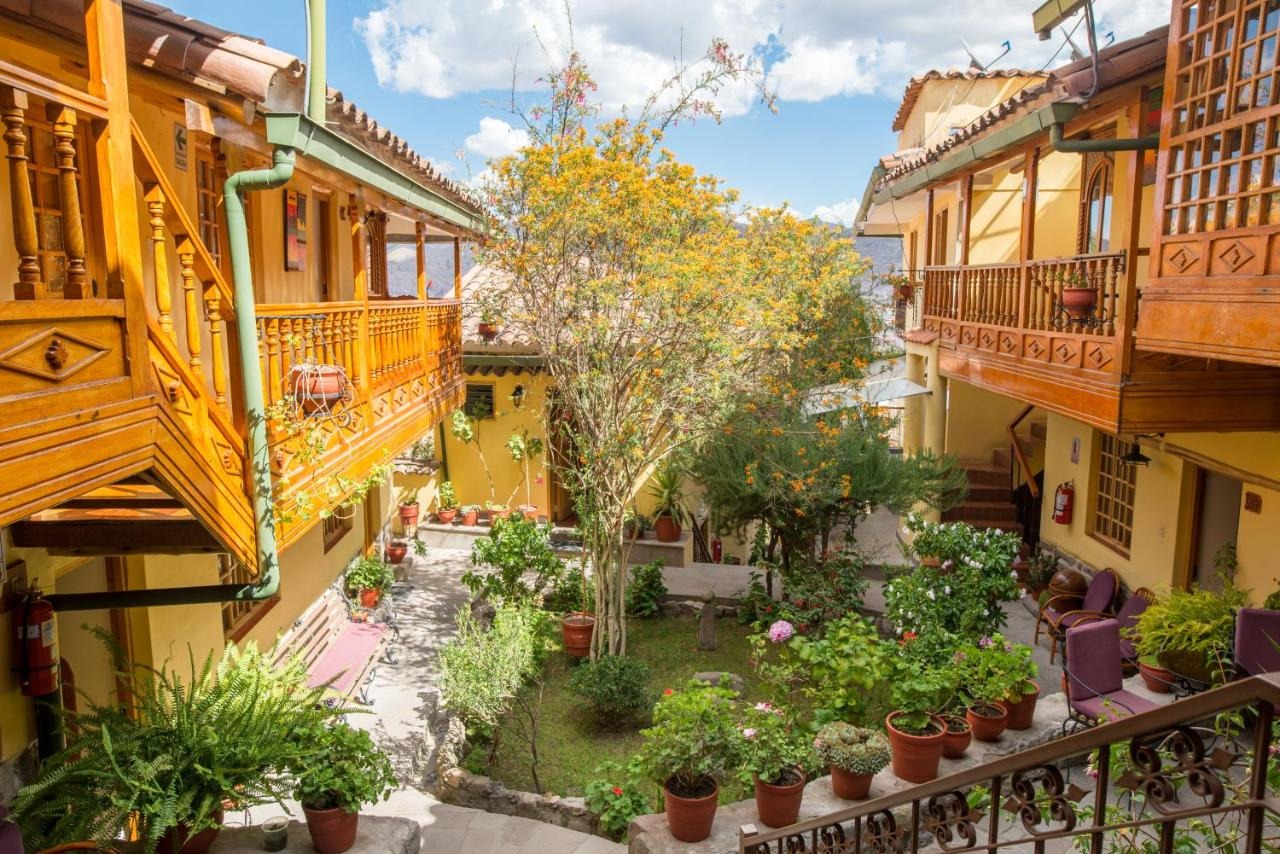
Amaru Colonial
Maison coloniale restaurée dans le quartier d'artistes de San Blas, à quelques minutes de la Plaza de Armas de Cusco. Quatre catégories de chambres et excursions vers Machu Picchu.
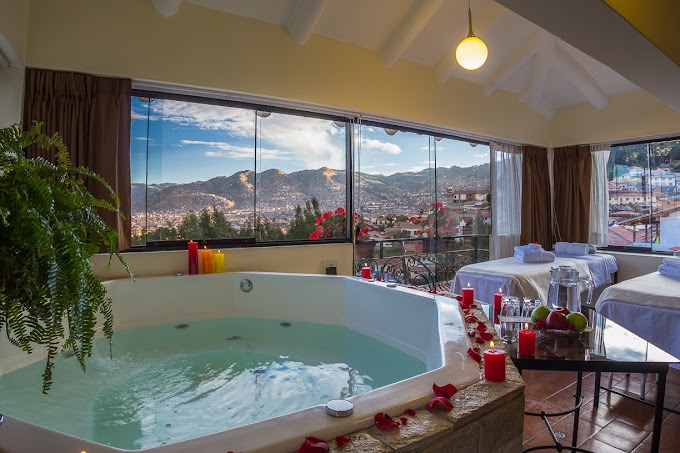
La Encantada Cusco
Hôtel boutique 3 étoiles avec spa dans le quartier historique de San Blas à Cusco : 21 chambres à l'esprit andin, jardin et vue sur la ville.
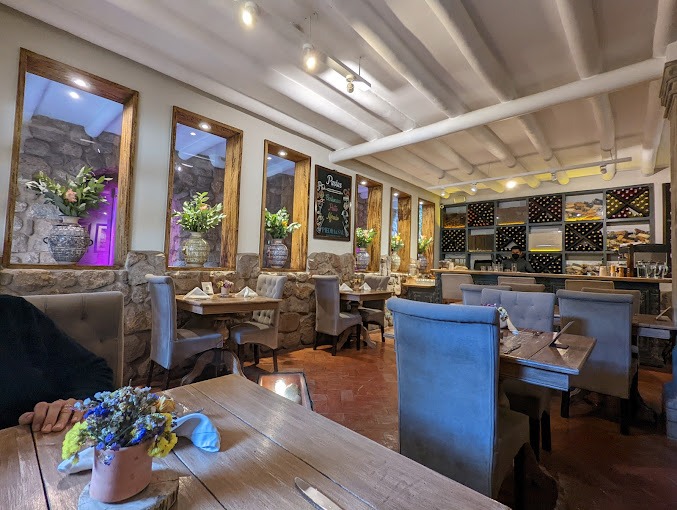
Antigua Casona San Blas
Hôtel 4 étoiles dans une casona coloniale du XVIIe siècle, au cœur du quartier artistique de San Blas, à quelques minutes de la Plaza de Armas de Cusco.
Want to discover this destination?
Our local advisors design your tailor-made trip.