Uyo Uyo
Uyo Uyo
Pre-Incan Collagua archaeological site in Colca Valley near Yanque: kanchas, callancas, terraces and chullpas at 3,570 meters elevation.
Uyo Uyo, also known as Maucallacta or Maukallaqta, is a pre-Incan archaeological site located in Colca Valley, near the village of Yanque, in Caylloma province. Built around 1300 A.D. by the Collagua people, it offers one of the best-preserved examples of Andean architecture predating the Inca conquest, at approximately 3,570 meters elevation.
Why visit Uyo Uyo
The site remains relatively uncrowded compared to other attractions in Colca Valley. It combines genuine archaeological interest—kanchas, callancas, chullpas, and a temple with trapezoidal windows—with a cohesive landscape setting, positioned on a hillside occupied by 26 still-visible agricultural terraces. For those interested in Collagua culture rather than Inca history alone, a visit provides insights complementary to those gained at Cusco sites.
Access requires a short hike from Yanque, which naturally filters hurried tour groups and leaves the site accessible in peaceful conditions throughout most of the year.
Site history
Uyo Uyo was built around 1300 A.D. by the Collagua (or Collawa), an indigenous people who inhabited Colca Valley before Inca expansion. The site served simultaneously as a residential area, ceremonial center, and local administrative hub.
In the 15th century, the region was incorporated into the Inca empire. Occupation continued without major architectural disruption: the Incas maintained Collagua organization while imposing their administrative authority.
Abandonment occurred in the second half of the 16th century. Under the reducción policy implemented by viceroy Francisco de Toledo, Andean populations were forcibly relocated to newly established colonial villages grouped around churches. Uyo Uyo was then abandoned and gradually overtaken by vegetation. Partial restoration took place in the 20th century.
What to see on the site
The kanchas
Kanchas are residential complexes organized around a central courtyard, with several rectangular habitations in pirca masonry—stones fitted without mortar. This technique remains representative of Collagua craftsmanship.
The callancas and temple
On the site's main plaza, two callancas (large elongated halls) are preserved as ruins. Nearby, a temple displays seven windows and several trapezoidal doorways, an architectural element characteristic of shared tradition with Inca design.
The chullpas
On the heights surrounding the site, several chullpas—funerary towers built for the local elite—remain visible. They provide insight into Collagua burial practices and offer an overview of village organization.
Agricultural terraces
Twenty-six agricultural terraces descend in steps along the hillside. They attest to Collagua mastery of high-altitude agriculture, with sophisticated management of water and soil in a constrained environment.
Practical advice
- Acclimatization: since the site sits above 3,500 meters, it is recommended to spend at least one to two nights at altitude (Arequipa at 2,335 meters is insufficient) before hiking. Chivay or Yanque are suitable options.
- Equipment: hiking boots, layered clothing, windbreaker, sun protection (high UV), water.
- Local guide: the site can be visited independently, but a guide provides valuable context about Collagua organization that is difficult to reconstruct without interpretation.
- Visit duration: allow 2 to 3 hours on site, including the approach hike.
When to go
Colca Valley experiences two distinct seasons. The dry season, from April to November, is most favorable: clear skies, passable trails, and optimal visibility of terraces and surrounding volcanoes. Nights are cold, however, with temperatures potentially dropping below freezing between June and August.
The rainy season, from December to March, brings afternoon showers and can make trails slippery. Landscapes are greener at this time, but visibility is less consistent. May and September often offer a good compromise between moderate crowds and stable weather.
How to get there
The usual starting point is Arequipa. Daily buses connect Arequipa's main terminal to Chivay and Yanque, for a journey of approximately 4 to 5 hours via the Patapampa pass (4,910 meters). Many agencies also offer 2 to 3-day circuits in Colca Valley that include a visit to Uyo Uyo.
From Yanque, the site is reached on foot by a trail that descends toward the Colca River then climbs the opposite hillside. Allow 30 minutes to 1 hour of hiking depending on pace and acclimatization.
Nearby attractions
The region offers several natural extensions to a visit:
- Cruz del Condor Viewpoint: a recognized observation point for Andean condor flight, accessible in minutes by vehicle from Yanque.
- Yanque hot springs: naturally heated pools of volcanic origin, ideal after hiking.
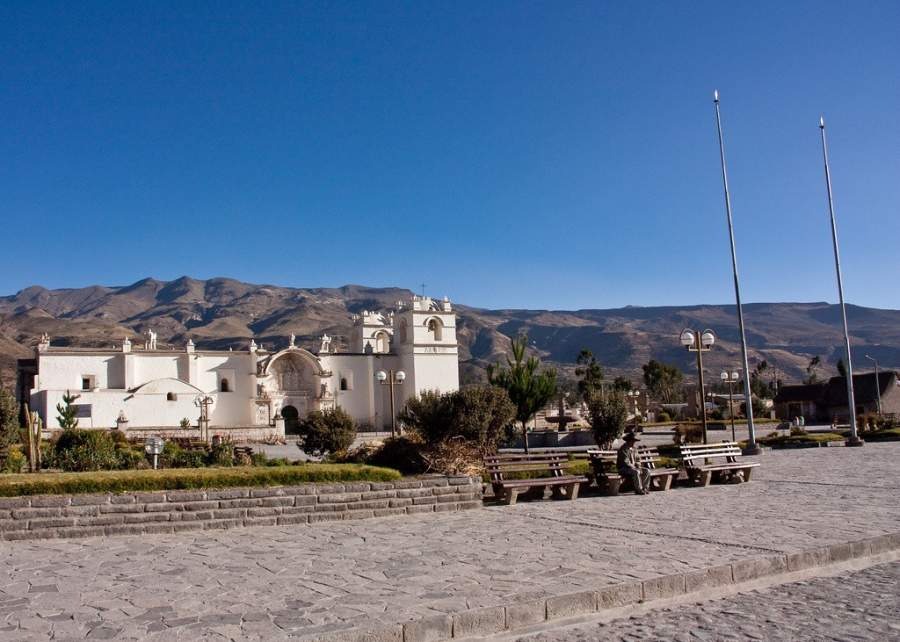
- Colonial village of Yanque: 18th-century church and traditional dances on the main plaza in the morning.
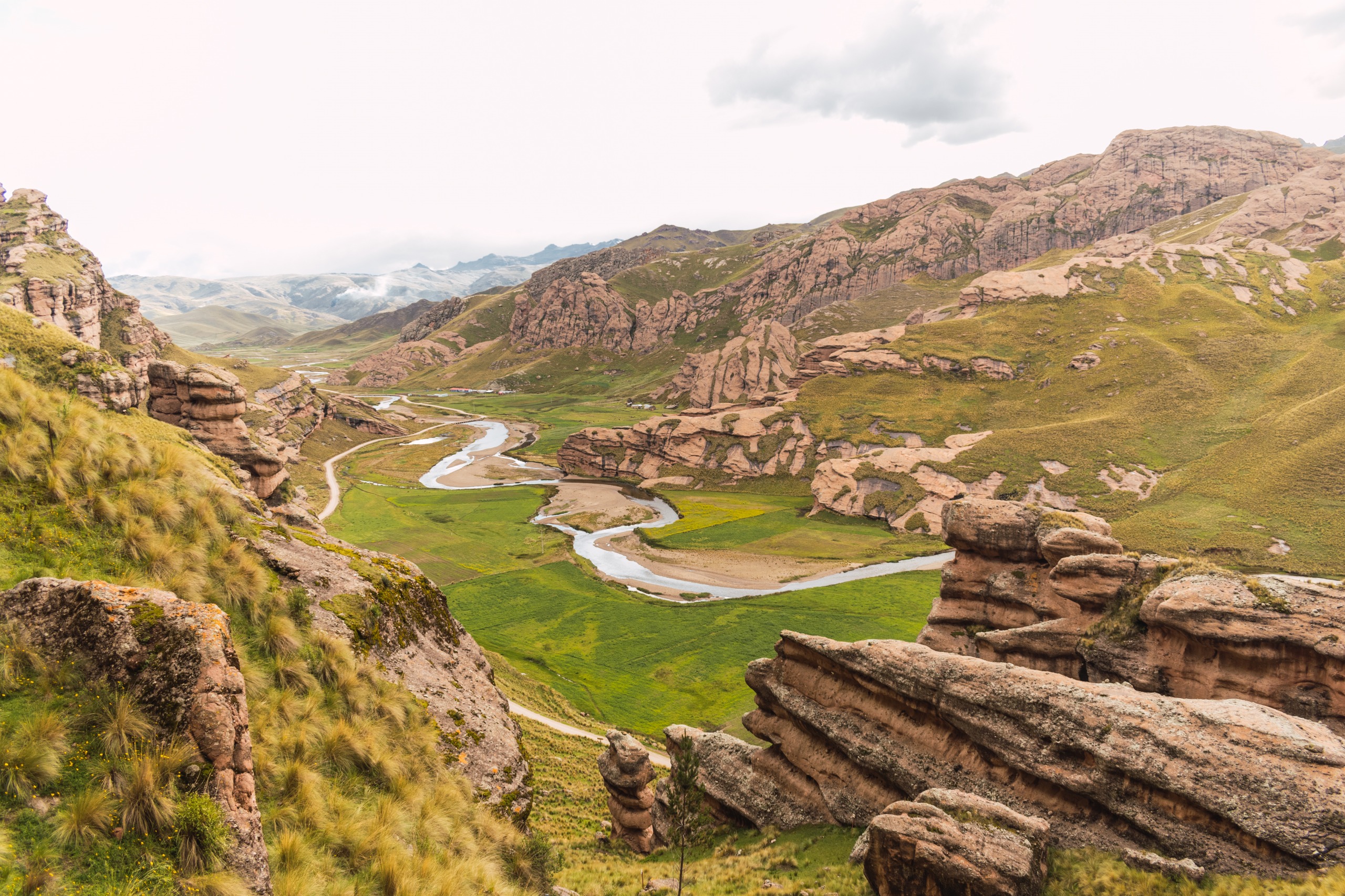
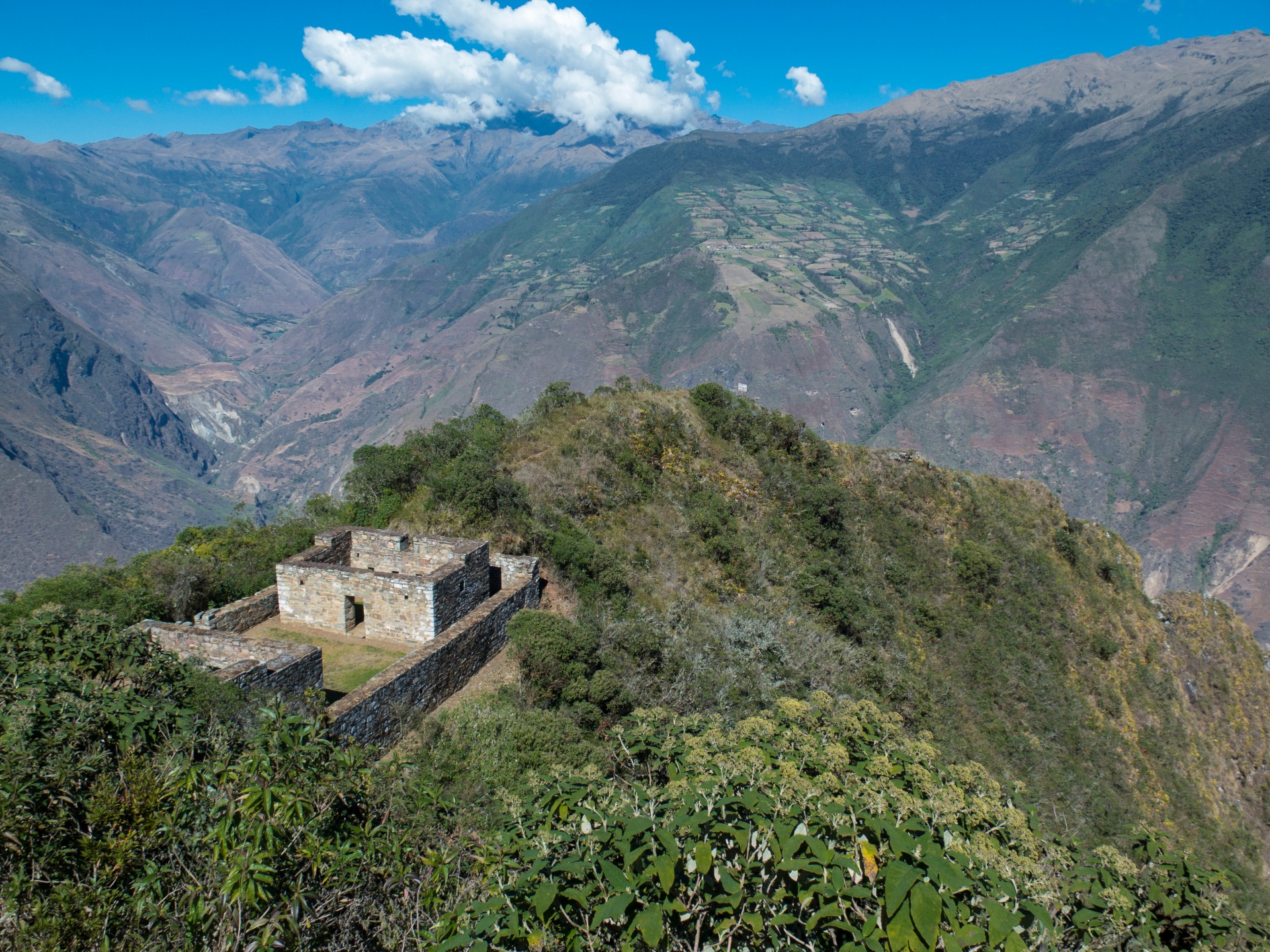
To extend your itinerary beyond Colca, consider other Andean sites such as Tinajani Canyon in the Puno region, the Rainbow Mountain of Vinicunca near Cusco, or the Yucay ruins in the Sacred Valley.
Frequently asked questions
Frequently asked questions
Include Uyo Uyo in your itinerary
Uyo Uyo fits naturally into a Colca Valley circuit, complementing condor viewpoints and colonial villages. To build an itinerary combining Arequipa, Colca, and the Andean highlands, consult our customized trips to Peru.
Interested in this visit?
We can include it in your personalised itinerary.