Tambomachay
Tambomachay
Inca site 8 km from Cusco, Tambomachay illustrates the Incas' mastery of hydraulics and their reverence for water, with terraces and fountains still flowing today.
Tambomachay is an Inca archaeological site located approximately 8 km northeast of Cusco, at 3,700 meters altitude. Known for its network of continuously flowing fountains, it illustrates the Incas' hydraulic expertise and the sacred role they accorded to water. Its name derives from the Quechua words Tampu and Machay, meaning "place of rest," and it is also called El Baño del Inca, "the Inca's bath."
Why visit Tambomachay
The site distinguishes itself through three concrete elements. First, its hydraulic engineering: a network of canals and fountains still functions today, fed by mountain springs. Second, its architecture of precisely cut and fitted stones without mortar, characteristic of classic Inca style. Finally, its immediate proximity to other major sites such as Puka Pukara and Sacsayhuamán, which makes it possible to combine several visits over a half-day excursion from Cusco.
The appeal is not merely aesthetic: Tambomachay documents how the Incas managed a vital resource in the Andes, where water still structures local agriculture and beliefs today.
History and site functions
Tambomachay was built during the height of the Inca Empire, around the 15th century. Its exact function remains debated among scholars, with several hypotheses coexisting.
The most widely accepted interpretation sees Tambomachay as a ritual bathing place reserved for the Inca elite. The emperor would have come here for ablutions with purifying value, water being considered a sacred element bearing life. According to Andean tradition, the water at Tambomachay never dried up, and some still attribute healing properties to it today—a narrative best understood as a living belief rather than a scientific fact.
The site is also linked to the cult of Pachamama, the Earth deity. The trapezoidal niches set into the retaining walls may have held offerings, strengthening the hypothesis of ceremonial use by priests and nobility.
A third hypothesis, defended by some archaeologists, sees Tambomachay as a military outpost. The terraces show similarities to other Inca structures with defensive purposes, but this interpretation remains minority and contested.
What to see on site
The terraces and architecture
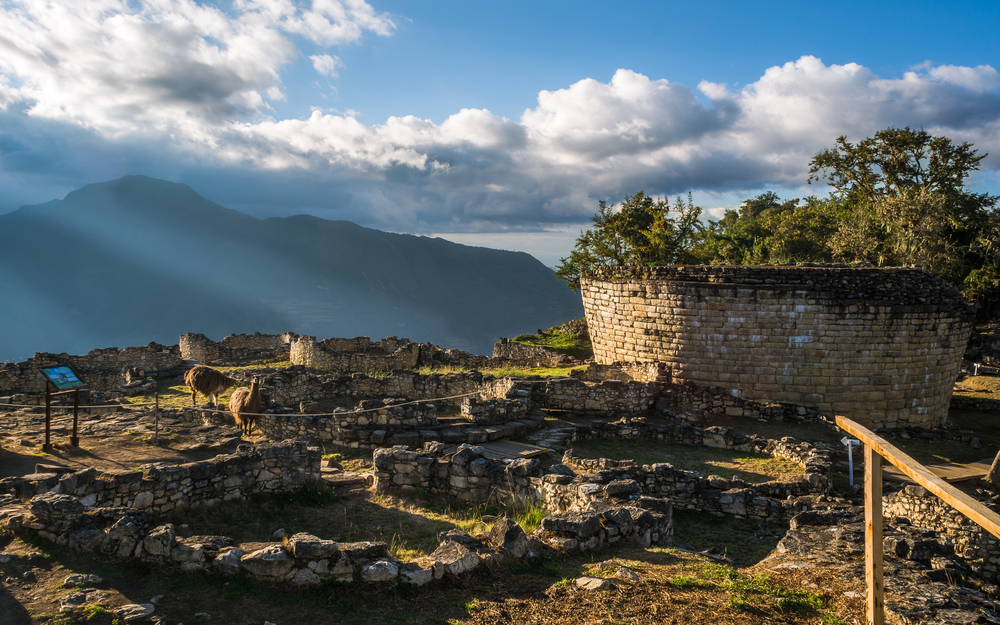
The site covers approximately 450 m². It is organized around three stepped terraces, each measuring roughly 4 meters high and 15 meters long. The walls are composed of cut stones precisely fitted without mortar, in classic Inca style. Pathways called sarunas connect the different levels and allow circulation between terraces.
The hydraulic system
The water feeding Tambomachay comes from two sources upstream: Timpuc Puquiu, on the north bank of the Timpuc River, and a spring near the Huaylla community. It is channeled through a network of aqueducts and small cascades that feed several basins. The precision of the layout and the regularity of flow, still visible today, testify to a sophisticated understanding of mountain hydraulics.
The niches and setting
Several trapezoidal niches are visible in the walls. The site also offers clear views of the surrounding hills, making it a pleasant observation point of the Andean landscape near Cusco.
Practical information
- Visit duration: allow 30 to 45 minutes on site. The site is compact.
- Access: Tambomachay is included in the Boleto Turistico del Cusco, the regional tourist pass covering several archaeological sites around Cusco. There is no separate ticket sold at the entrance.
- Physical level: easy, but the altitude of 3,700 meters can be felt. Plan a few days of acclimatization in Cusco before your visit.
- What to bring: water, sun protection, windbreaker. Mountain weather changes rapidly.
When to go
The best period covers the Andean dry season, May through September. Days are sunny, trails passable, and visibility over surrounding terrain optimal. Nights are cool to cold at this altitude.
From December to March, the rainy season makes visits possible but less predictable: frequent afternoon showers, often overcast skies. Morning typically remains the most stable window regardless of season.
How to get there from Cusco
Tambomachay is located approximately 8 km northeast of Cusco's city center, on the road leading to Pisac. Several options are available:
- Taxi: a twenty-minute journey from the center. The simplest option if you have limited time.
- Colectivo (shared minibus): from the Puputi neighborhood in Cusco, heading toward Pisac. Ask the driver to drop you at Tambomachay.
- Guided tour: most so-called Cusco City Tours include Tambomachay, Puka Pukara, Qenqo, and Sacsayhuamán in a half-day excursion.
- On foot: it is possible to hike down from Tambomachay to Cusco via Puka Pukara then Sacsayhuamán, roughly an 8 km descent hike.
Combine with nearby sites
Visiting Tambomachay lends itself well to combining with other archaeological sites accessible from Cusco:
- Sacsayhuamán: massive fortress overlooking Cusco, approximately 6 km away.
- Balcón del Diablo: rock formation and ceremonial site nearby.
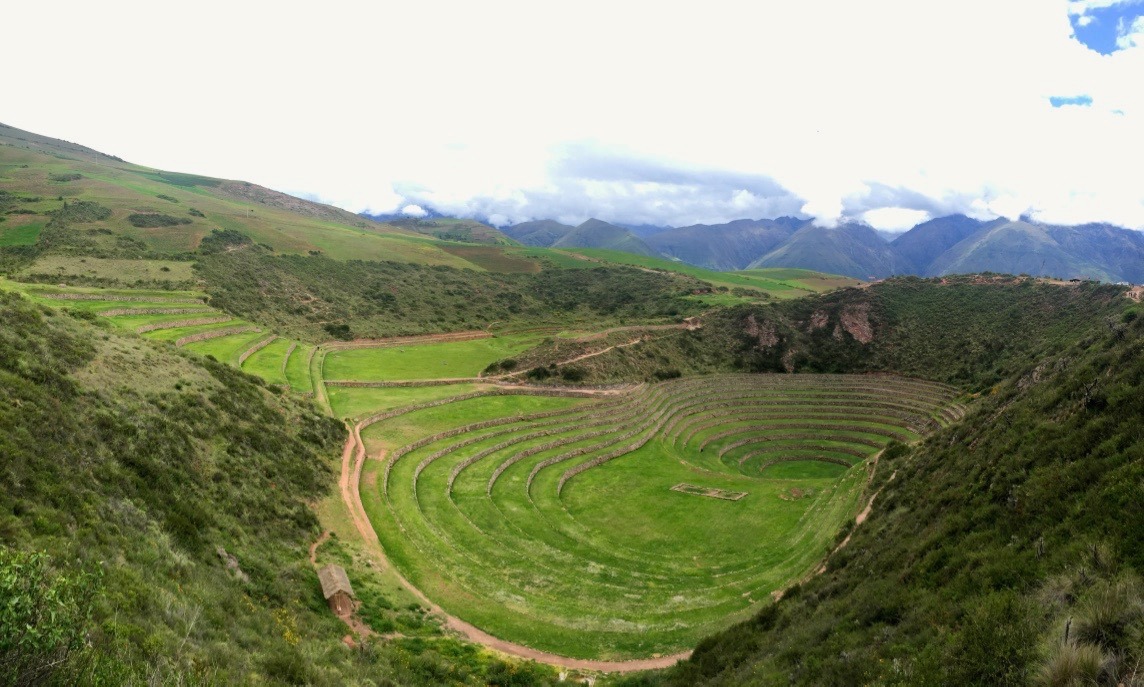
- Moray: circular agricultural terraces in the Sacred Valley, further afield but often included in a full-day circuit.
- Huchuy Qosqo: lesser-visited Inca site, accessible by hiking.
Frequently asked questions
Frequently asked questions
Plan your trip
Tambomachay integrates naturally into an itinerary in the Cusco region and the Sacred Valley. To build a coherent circuit around Inca sites, consult our custom trips to Pérou.
Nearby
Interested in this visit?
We can include it in your personalised itinerary.