Machu Picchu
Machu Picchu
Incan citadel at 2,430 m altitude, UNESCO-listed since 1983: history, must-see sites and tips for planning your visit from Cusco.
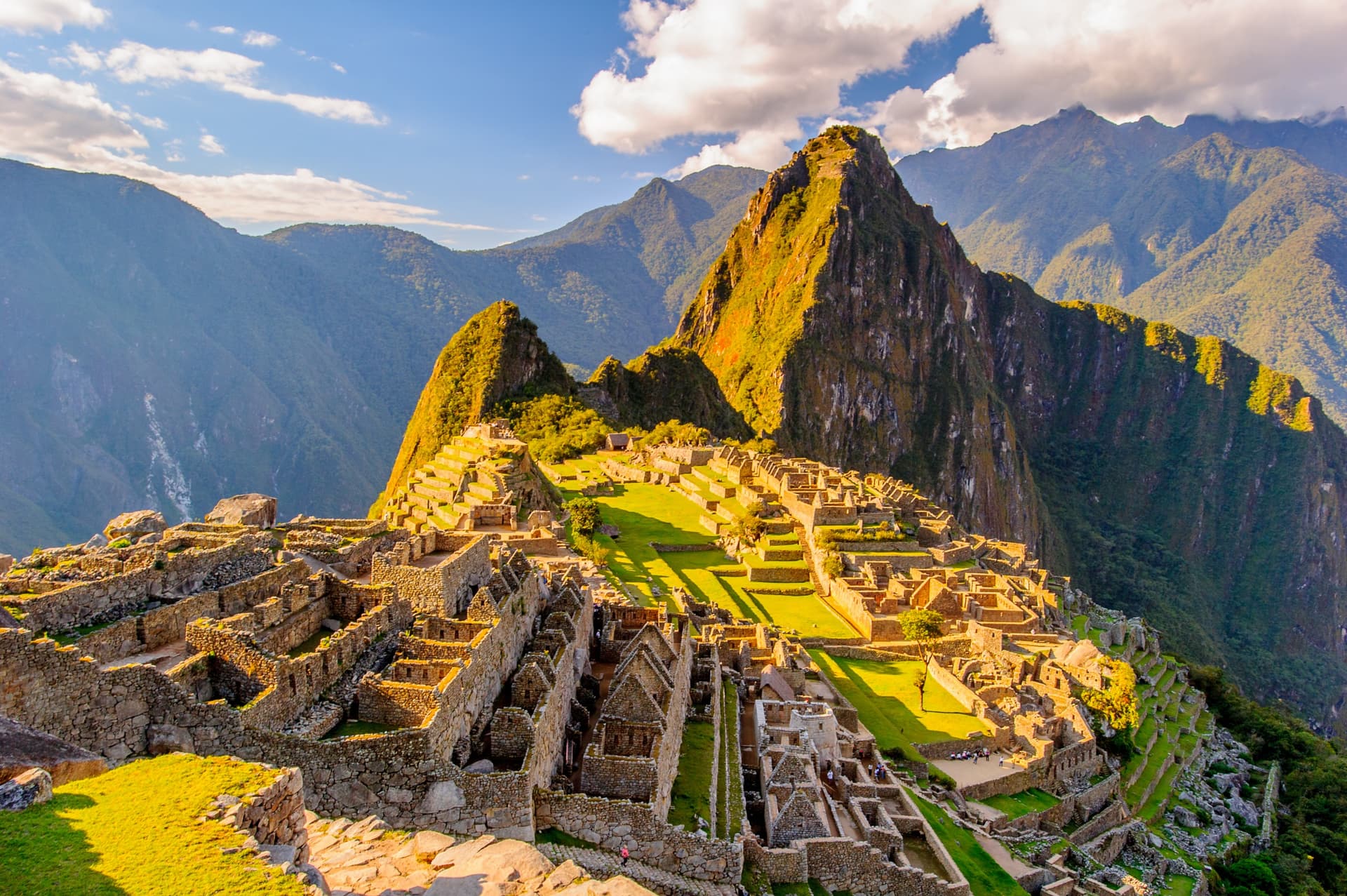
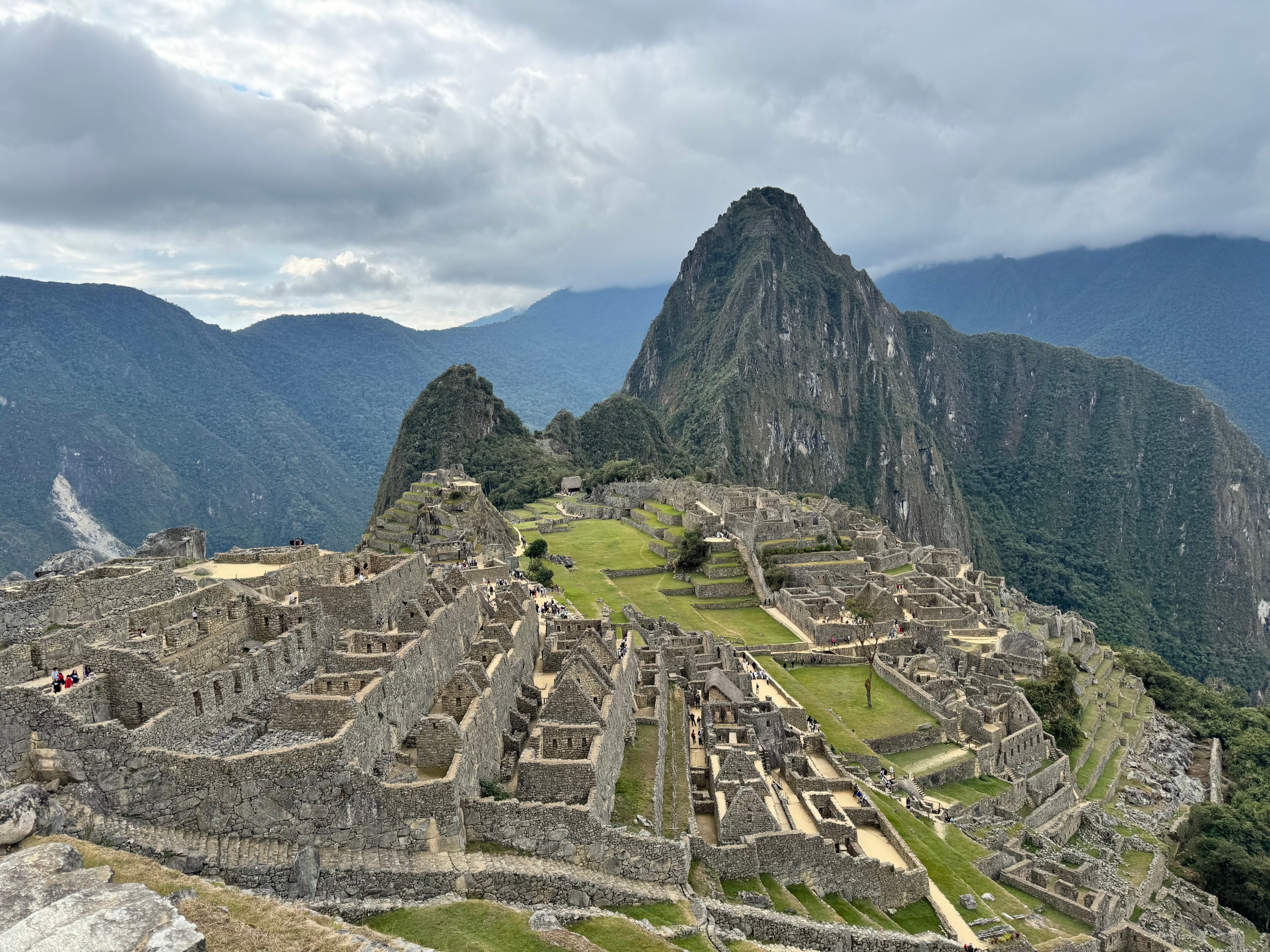
Perched at 2,430 meters altitude on the Andes Cordillera, at the edge of the Amazon rainforest, Machu Picchu represents the most accomplished expression of Incan urbanism. This stone citadel, forgotten for nearly four centuries, presents a coherent ensemble of temples, agricultural terraces, and residential quarters integrated into the steep terrain. Listed as a UNESCO World Heritage Site since 1983, the site is also one of the New 7 Wonders of the World, designated by public vote in 2007.
Why visit Machu Picchu
The site combines several rare interests: remarkable preservation of Incan structures, a spectacular natural setting between Andean canyons and subtropical forest, and ongoing archaeological interpretation that regularly nourishes new hypotheses. Unlike other Incan sites, Machu Picchu escaped the destruction of Spanish conquest, making it a precious witness to 15th-century imperial architecture. The visit lends itself equally well to a historical approach or a trekking experience, particularly via the Inca Trail.
History
The citadel's foundation is generally attributed to Emperor Pachacútec, in the mid-15th century. The territory was previously occupied by the Tampu de l'Urubamba ethnic group, part of the Ayarmaca federation, and exploited for agricultural purposes. Under the Empire, Machu Picchu housed a variable population, estimated at between 100 and 300 inhabitants, mainly mitmaqkuna farmers relocated from different provinces. Terrace cultivation there reached a high degree of sophistication, complemented by other administrative centers such as Patallacta and Quente. An eight-path Incan road network linked the ensemble together.
The site's abandonment spanned from 1534 to 1572. Several factors converged: the Incan civil war of 1531-1532, the arrival of the Spanish in Cuzco in 1534, then the resistance of Manco Capac II in 1536, which recalled regional nobility back to the exiled court of Vilcabamba. Deprived of its elites and administrative role, the citadel gradually emptied, displaced farmers returning to their regions of origin.
The site was rediscovered around 1860 by German August R. Berns, who plundered artifacts with local authorities' permission. However, it was American archaeologist Hiram Bingham, who arrived in July 1911 while searching for Vilcabamba, who made Machu Picchu known to the international public. His work Lost City of the Incas established the site's worldwide reputation.
What to see on the site
The historical sanctuary spans approximately 32,592 hectares; the citadel itself comprises nearly 172 structures distributed between an agricultural zone (maize and potato terraces) and an urban zone containing civil and religious buildings.
- The Sacred Plaza: ceremonial ensemble comprising the Temple of 3 Windows and the Central Temple, with an altar possibly dedicated to llama sacrifices.
- The Intihuatana: carved stone serving as a solar calendar, used by the Incas to anticipate seasons.
- The Temple of the Sun: a semi-circular structure dedicated to the supreme god of the Incan pantheon.
- The Temple of the Moon: carved into a cliff face on the slope of Huayna Picchu.
- The Royal Palace: probable imperial residence, identifiable by the quality of its masonry.
- The House of the Gardener: high point from which the site's classic panoramic photographs are taken.
- The Sun Gate (Inti Punku): eastern threshold marking the arrival point of the Inca Trail trek.
Two peaks frame the citadel. Huayna Picchu (2,700 m) offers a sweeping view over the terraces and Temple of the Moon; its ascent requires reservation several weeks in advance due to quotas. Cerro Machu Picchu (3,082 m), higher and less frequented, opens onto the Vilcanota canyon, the Vilcabamba cordillera, and Mount Salkantay.
Practical information
Access to the site is now regulated by predefined circuits and time slots, with a daily quota that has evolved in recent years (on the order of several thousand visitors per day, depending on seasons and chosen routes). Book your ticket online several weeks in advance, especially if you are aiming for Huayna Picchu or a morning time slot.
Plan for an average of 2 to 4 hours on site for a comfortable visit, longer if you combine it with climbing one of the peaks. An official guide is mandatory at the entrance. Bring non-slip shoes, water, sun protection, and rain gear: the climate can change rapidly.
When to go
The region experiences two distinct seasons:
- Dry season (May to September): clearer skies, passable trails, optimal trekking conditions. This is also the period of highest visitor traffic; July and August are the most frequented months.
- Wet season (November to March): lush vegetation, photogenic morning mists, but frequent showers and risk of landslides. The classic Inca Trail closes in February for maintenance.
April and October offer good compromises: lower visitor numbers, still-stable weather.
How to get there
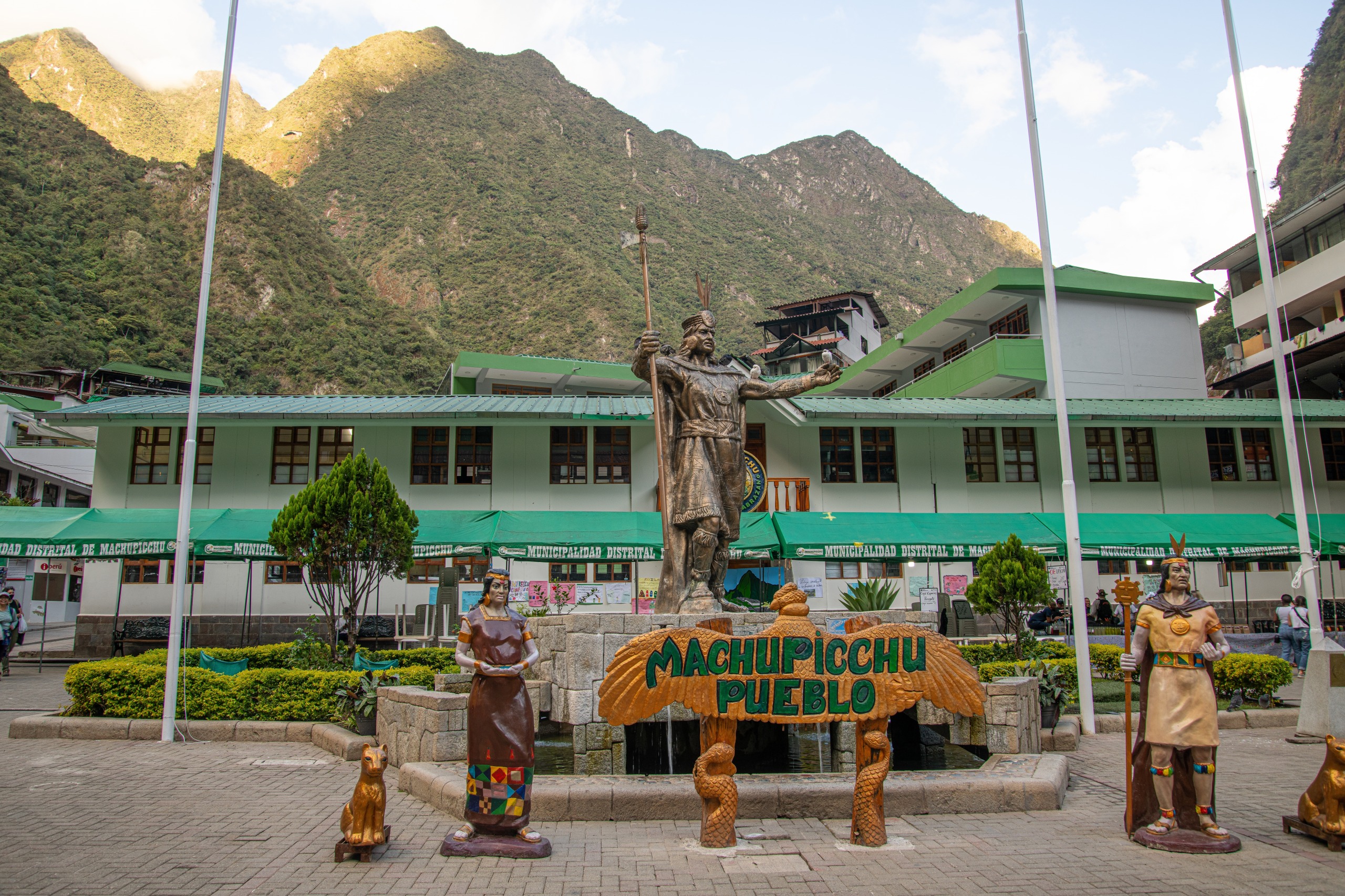
From Lima, the quickest route combines a flight to Cusco followed by a train to Aguas Calientes (Machu Picchu Pueblo), at the foot of the site. A bus shuttle then ensures the ascent to the entrance.
A more budget-friendly alternative is to reach Ollantaytambo by bus or shared taxi from Cusco, then board a train for Aguas Calientes. Several railway companies offer different service options.
Regardless of your route, allow yourself at least two days of acclimatization in Cusco (3,400 m) before your visit, as acute mountain sickness is common at this altitude.
Around the site
Machu Picchu is part of a larger archaeological and natural ensemble, which justifies extending your stay in the Cusco region and the Sacred Valley:
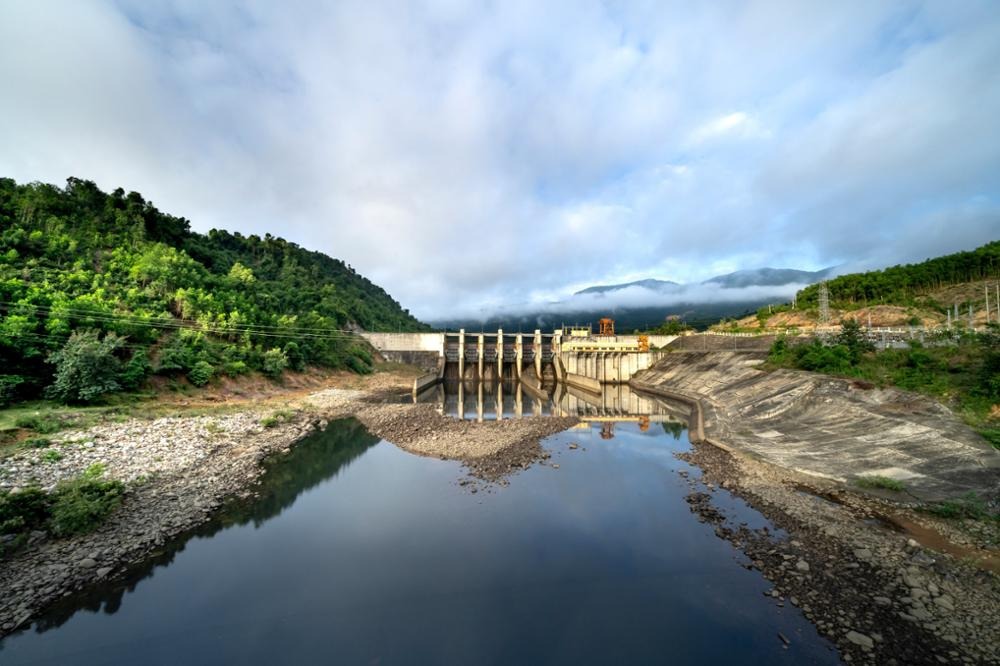
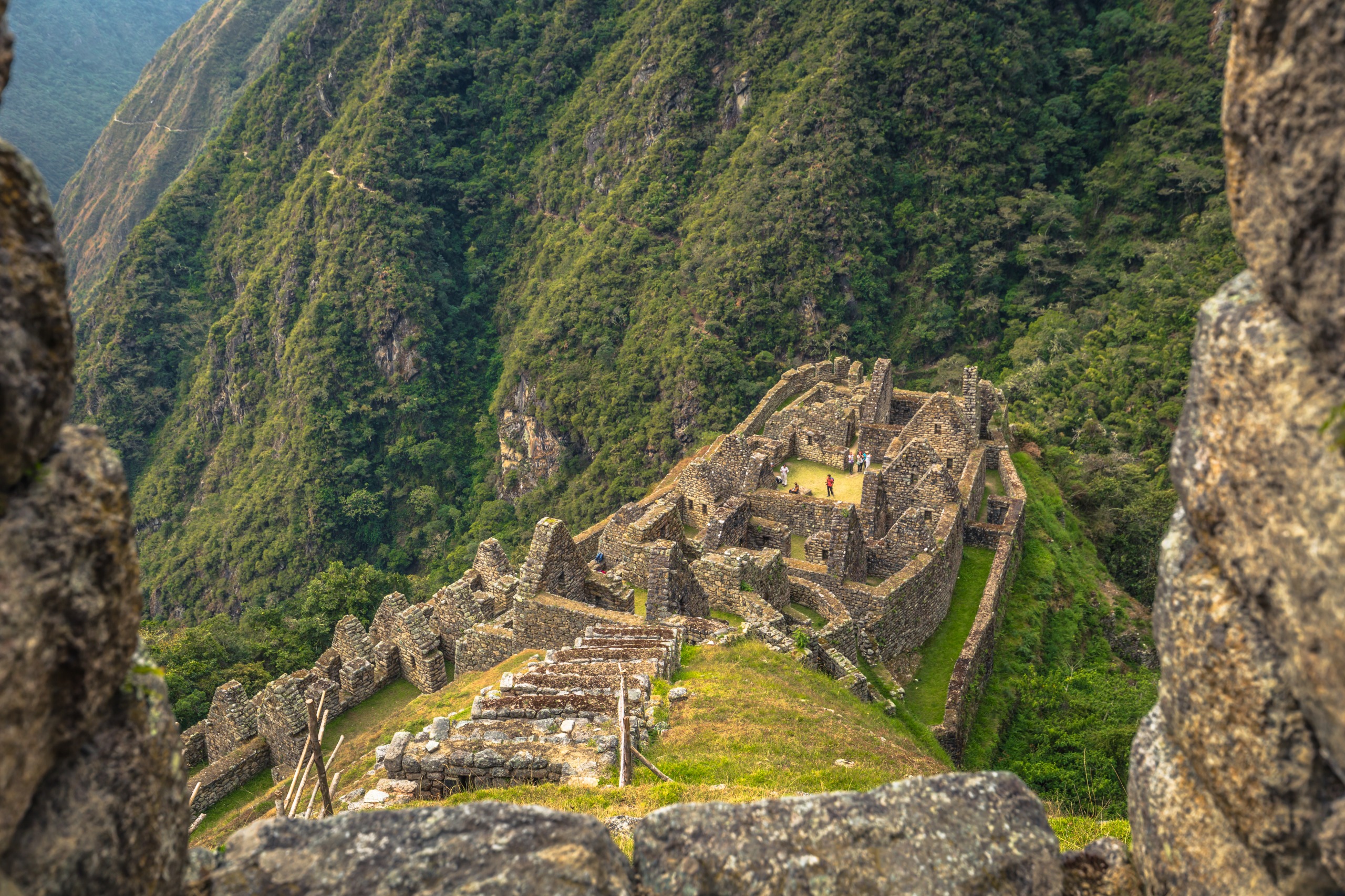
- Chachabamba: Incan control site located on one of the access points to the short Inca Trail.
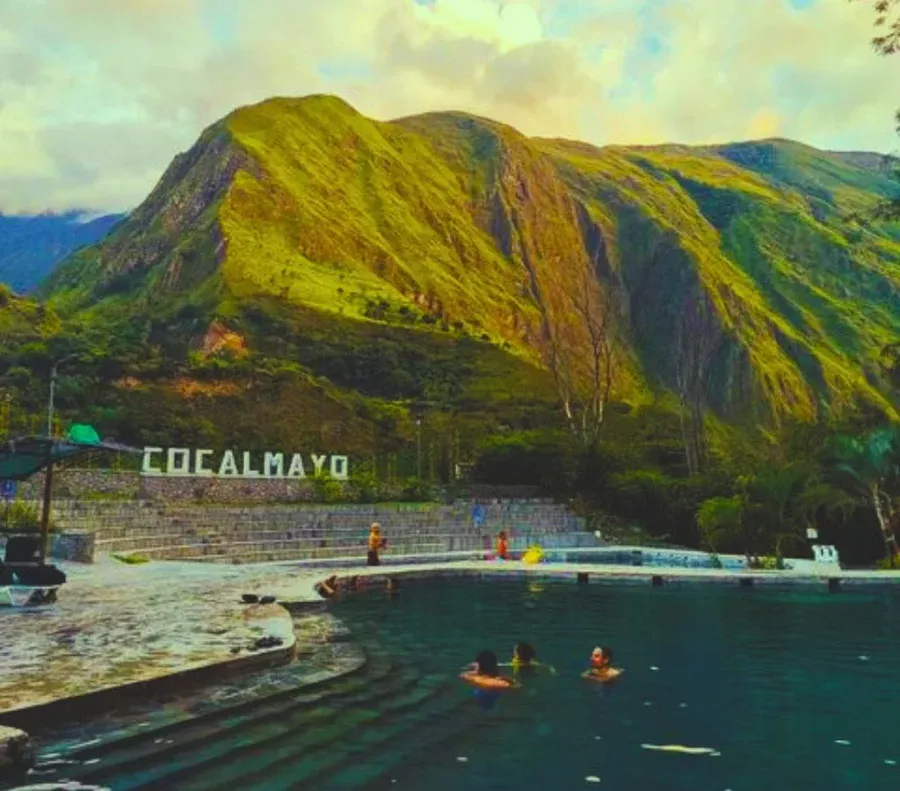
- Cocalmayo: hot springs below, an appreciated recovery stop after trekking.
- Huchuy Qosqo: former Incan royal residence in the Sacred Valley, accessible by hiking.
- Balcón del Diablo: natural viewpoint for Andean panorama enthusiasts.
- Cusco Planetarium: introduction to Incan astronomy, cultural complement to the site visit.
Frequently asked questions
Frequently asked questions
Plan your trip
Machu Picchu is best explored as part of an itinerary that includes Cusco, the Sacred Valley, and, depending on your interests, the Altiplano or Peruvian Amazon. To build a custom itinerary, consult our trips to Pérou.
Nearby
Interested in this visit?
We can include it in your personalised itinerary.