Inkilltambo
Inkilltambo is a little-visited Inca archaeological site perched in the hills northeast of Cusco. Terraces, Inca masonry and sweeping views over the city for a peaceful excursion far from the crowds.
Inkilltambo is an Inca archaeological site located in the hills northeast of Cusco, in Peru. Less frequented than the major sites in the region, it preserves stone structures carved in the characteristic style of Inca architecture, set within preserved natural surroundings. Its proximity to Cusco makes it an accessible excursion for those seeking to escape the usual tourist circuits.
What to See
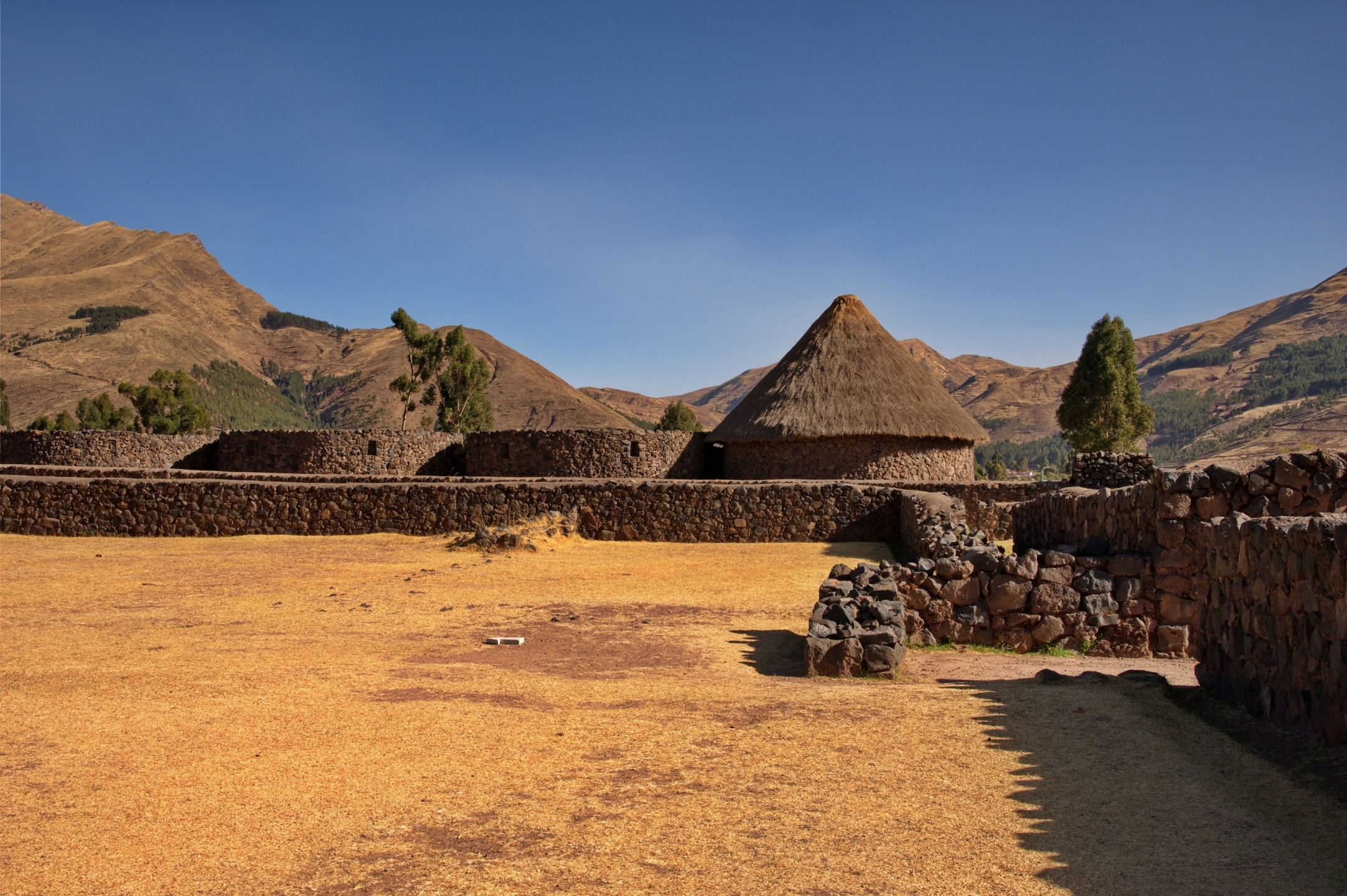
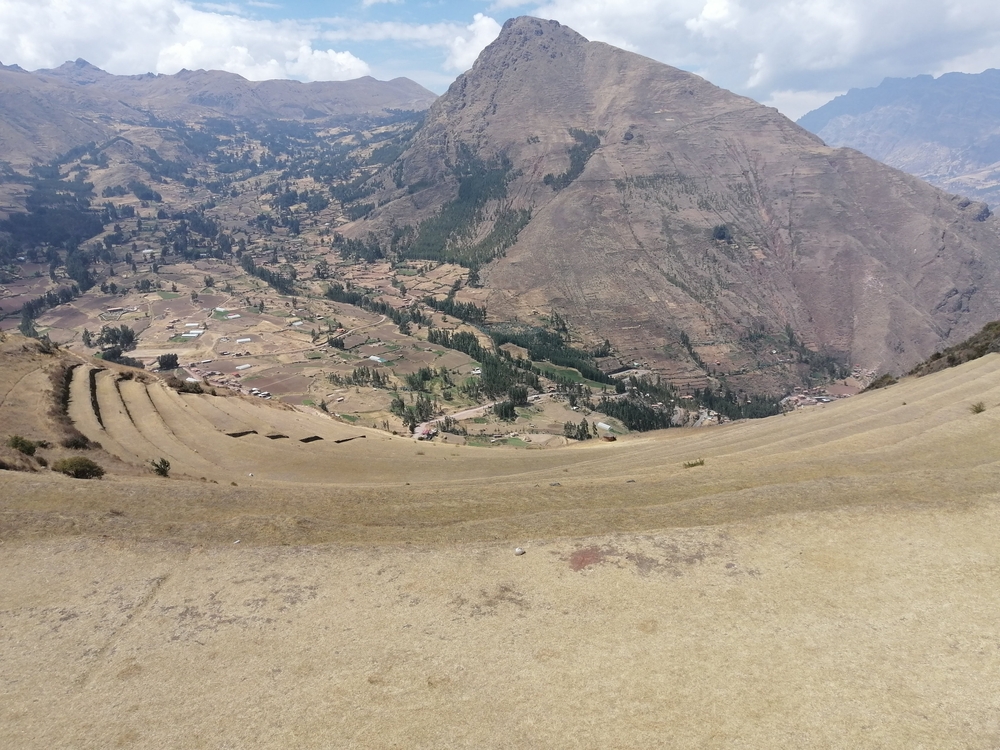
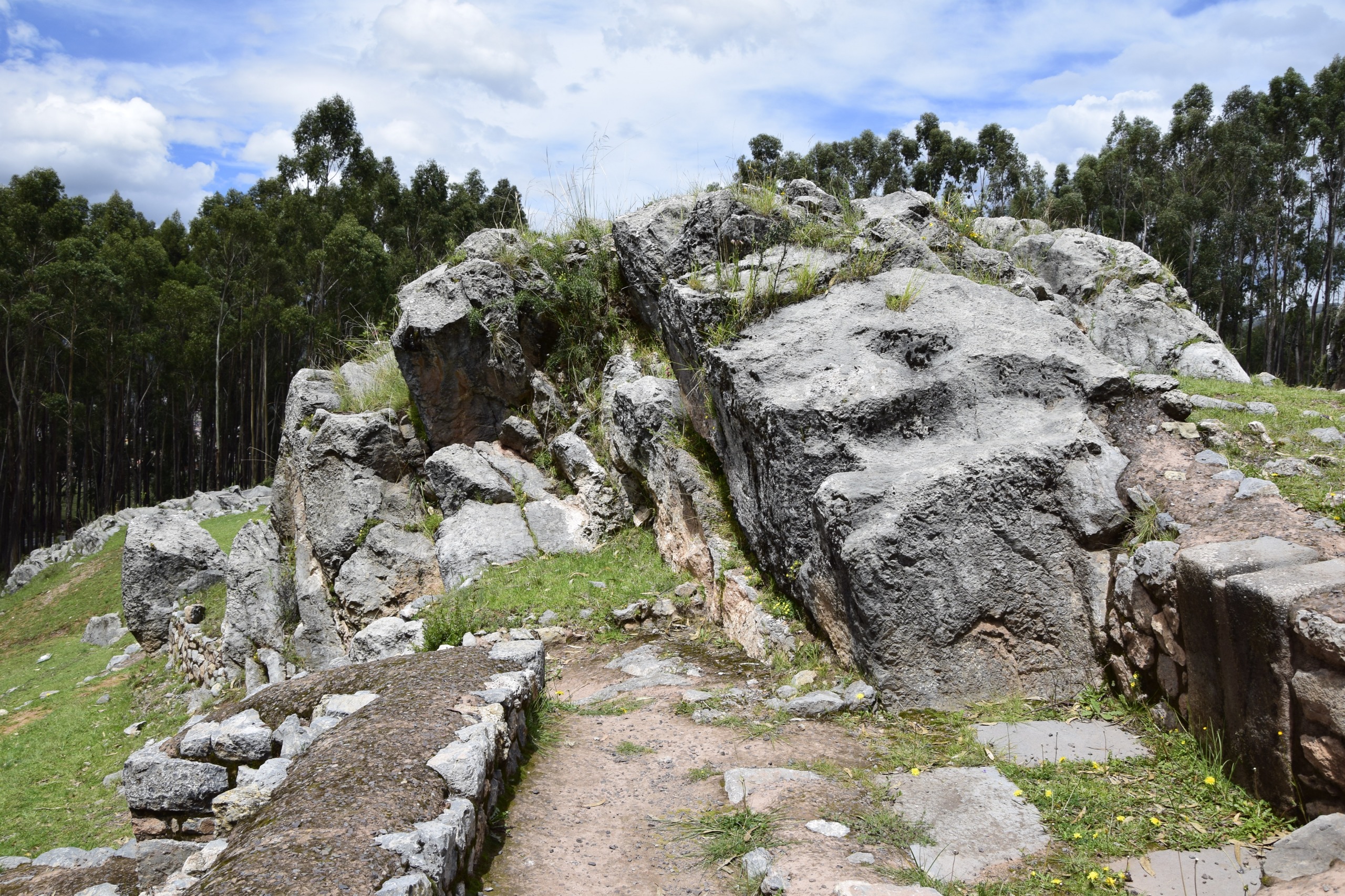
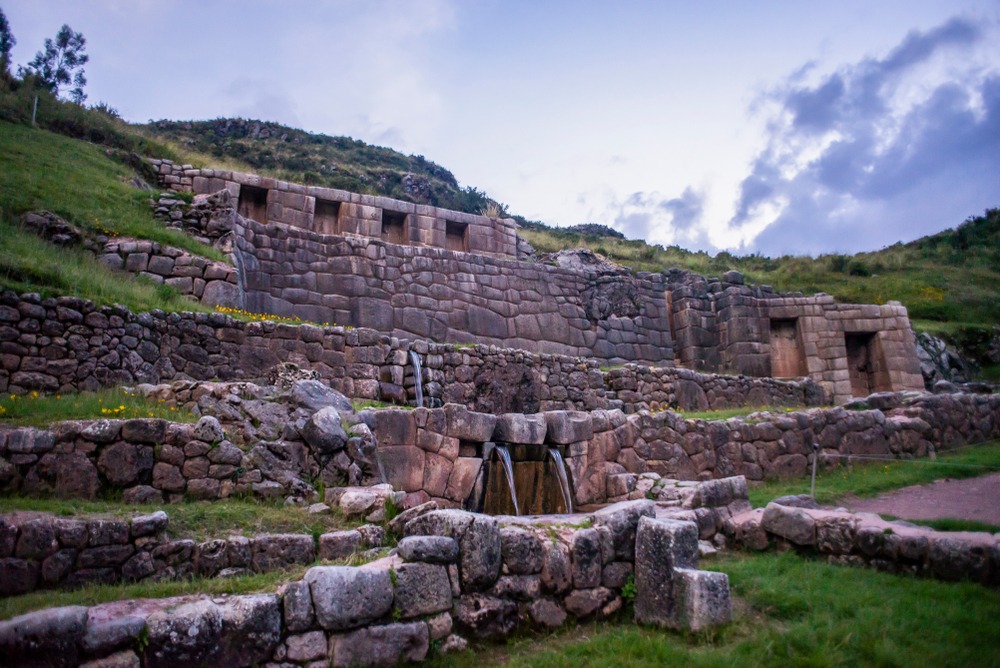
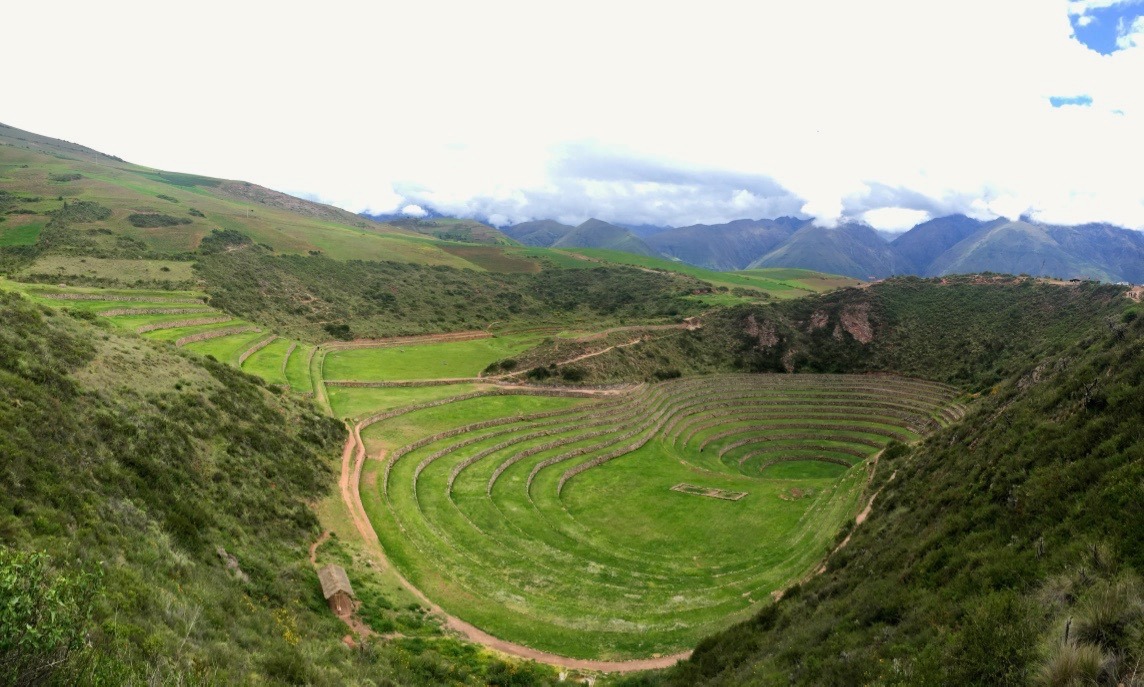
The site features agricultural terraces (andenes), trapezoidal niches carved into the rock, and dry stone structures typical of Inca construction. The surrounding vegetation — tall grasses and eucalyptus trees — contrasts with the grey stone of the ruins. The panorama over the Cusco valley is one of the main attractions of the climb.
History and Context
The name Inkilltambo originates from Quechua: inkill designates a wild flower, tambo a resting place or relay station along Inca roads. The site likely served as a halt or secondary ceremonial complex within the orbit of Cusco, capital of the Tawantinsuyu empire. Archaeological research on this site remains limited compared to the major complexes in the region.
Highlights of the Visit
The Niches and Inca Masonry
The trapezoidal niches set into the walls illustrate the precision of Inca stone-cutting, achieved without mortar. Their regular alignment suggests a ritual or storage function.
The Panorama Over Cusco
From the heights of the site, views over the city of Cusco and surrounding mountains are clear and sweeping. Late afternoon light accentuates the relief of the landscape.
The Crowd-Free Atmosphere
Unlike Sacsayhuamán or Qorikancha, Inkilltambo receives few visitors. This tranquility allows exploration at your own pace, in an almost-natural setting.
Photography Tips
Morning light is favourable for photographing the stone structures without harsh shadows. At day's end, the setting sun illuminates the terraces from the west. Bring a wide-angle lens to capture both the ruins and the panorama over Cusco in the background.
Location and Access
Inkilltambo sits in the hills northeast of Cusco's historic centre. Access is on foot from the city's outlying neighbourhoods or by taxi to the trailhead. The uphill path is unmarked in places; it's advisable to ask locally or go with a guide. Altitude exceeds 3,400 m: plan a slow pace if you've recently arrived in Cusco.
Nearby
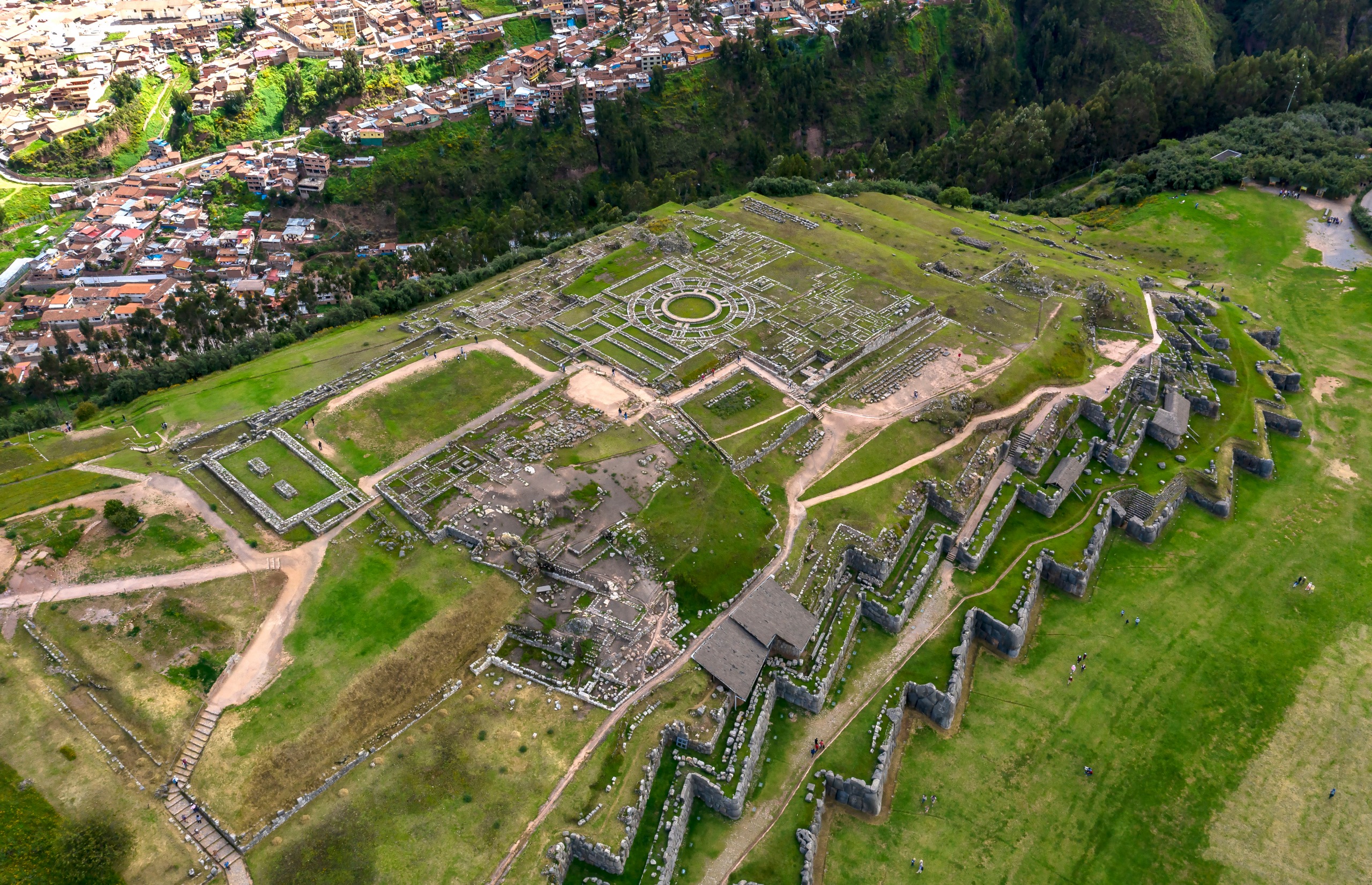
- Sacsayhuamán — monumental Inca fortress dominating Cusco, a few kilometres to the west.
- Qenqo — Inca ceremonial site with sculpted boulders and underground galleries, on the road to Sacsayhuamán.
- Puca Pucara — Inca military and administrative complex, on the route towards Pisac.
- Tambomachay — Inca site dedicated to water worship, with fountains and stone channels.
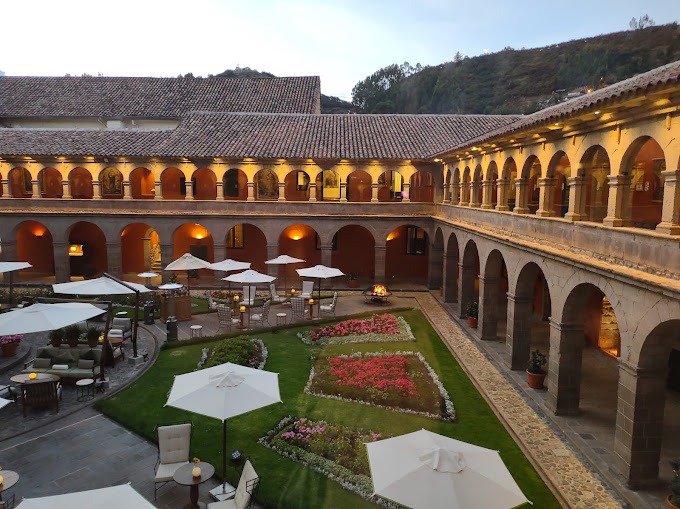
- Historic Centre of Cusco — Plaza de Armas, cathedral and Qorikancha, within walking distance or by taxi.
Frequently asked questions
The site is not part of the Cusco Tourist Ticket. Access appears to be free, but it's best to check with your local agency before your visit, as conditions may change.
Allow between one and a half and three hours, depending on your walking pace and time spent exploring the structures. The climb from the city requires physical effort at this altitude.
Yes. Sacsayhuamán, Qenqo, Puca Pucara and Tambomachay are all accessible within half a day by taxi or on foot for experienced walkers. Inkilltambo fits well into a circuit of Cusco's peripheral sites.
No. The access path is an earth trail with significant elevation changes and no facilities for people with reduced mobility.
A local guide is recommended: the path is not always marked and a knowledgeable companion makes orientation easier and enriches your understanding of the site.
Nearby
Interested in this visit?
We can include it in your personalised itinerary.