Rafting on the Apurimac
Rafting on the Apurimac
Rafting is a thrilling activity that attracts travelers seeking an adrenaline rush. Among numerous rafting destinations, the Apurimac River in Pérou stands out for its spectacular setting and exciting rapids. Nestled in the Andes, it offers an unforgettable experience, blending natural beauty with pure adren
Rafting is a thrilling activity that attracts travelers seeking an adrenaline rush. Among numerous rafting destinations, the Apurimac River in Pérou stands out for its spectacular setting and exciting rapids. Nestled in the Andes, it offers an unforgettable experience, blending natural beauty with pure adrenaline.
What does rafting involve?
Rafting is an outdoor sport and recreational activity consisting of navigating sections of rivers composed of rapid waters. It is an aquatic activity whose objective is to remain aboard the raft despite strong currents and potential obstacles. Rafting is accessible to everyone provided they can swim and are in good physical condition. Children can even participate from ages 6 or 8 onwards.
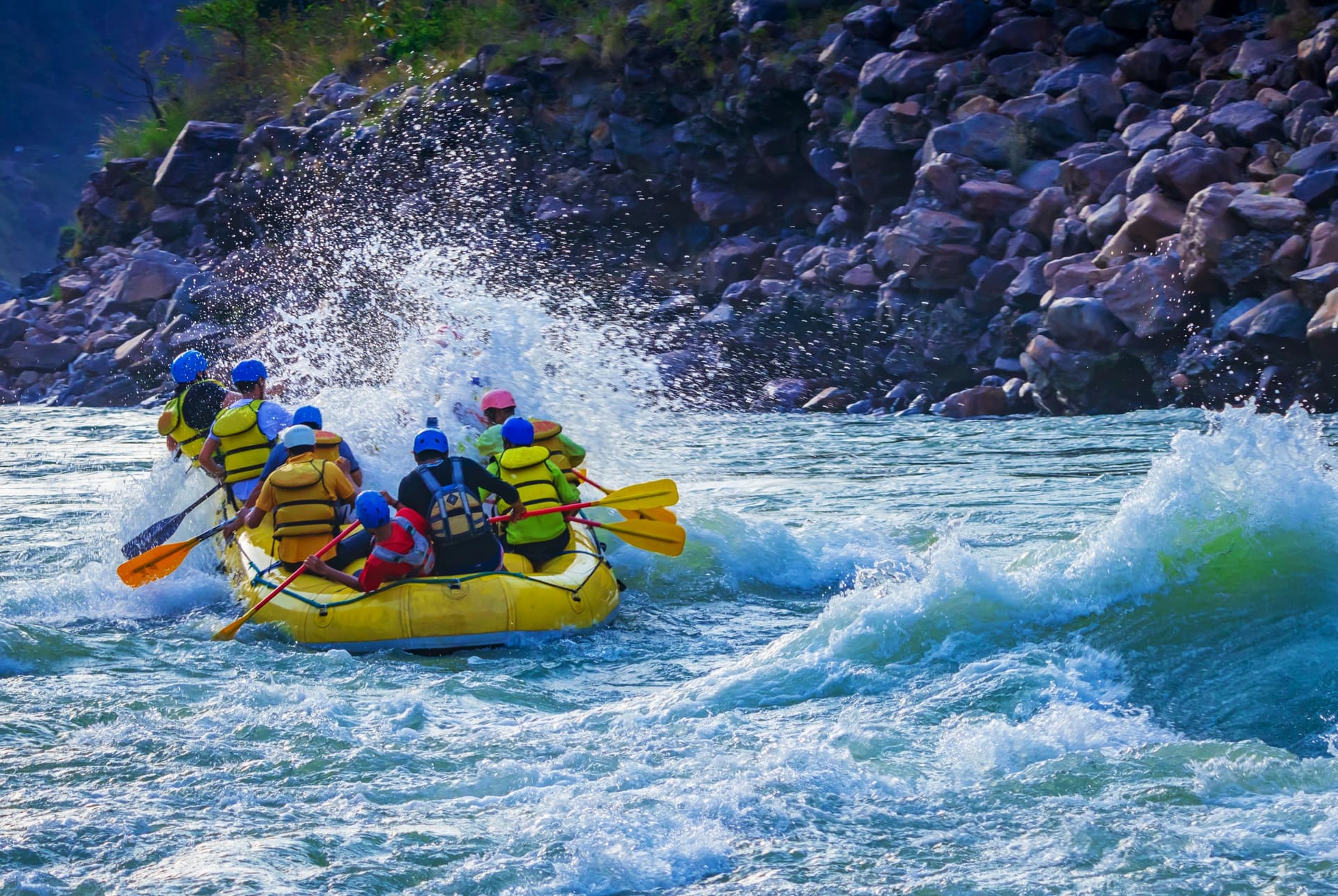
Also called a raft, this inflatable, unsinkable vessel can accommodate 2 to 8 people or sometimes more. It is generally manufactured from Hypalon or PVC. The raft is equipped with footstraps to keep the paddler secure and a safety line to hold onto should they fall into the water.
Rafting is an adventure in the wilderness combining the thrill of discovery, excitement, and team spirit. Rafting difficulties vary depending on the route, ranging from peaceful, calm rapids to the most tumultuous.
Characteristics of the Apurimac
Apurimac, whose name means "God who speaks," is one of the main sources of the Amazon River. This waterway originates in the Peruvian Andes, near the city of Cusco. It winds through breathtaking landscapes and deep gorges before joining the Amazon. Indeed, the river meanders through lush vegetation, imposing cliffs, and numerous canyons to discover during the short stops on a rafting descent.
The upper course of the Apurimac is famous for its rapids of different classes, offering challenges for all levels:
- Class II and III rapids are perfect for novices
- Class IV and V rapids offer thrilling sensations for experienced rafters.
Unlike other more heavily trafficked rafting destinations, the Apurimac offers a more serene and secluded experience. It allows you to enjoy tranquility and untamed nature without being disturbed by crowds.
Equipment needed for rafting
To go rafting, you need to equip yourself with:
- A raft or sturdy pneumatic inflatable boat capable of withstanding impacts
- A life jacket or flotation vest to float in case you fall into the water
- A helmet to protect your head against rocks
- A paddle to steer and propel the raft through the water
- A wetsuit
Guides or instructors generally provide these materials. However, you should ensure the equipment is in good condition before departing.
Rafting outings on the Apurimac can last a half-day or a full day. They are often accompanied by a picnic along the riverbank.
When aboard the raft, simply paddle backward or forward. The instructor or guide directs the raft while giving instructions to navigate the rapids as best as possible. For example, he may sometimes ask participants to move around the vessel or to crouch down. These instructions help increase weight on one side of the raft or change the raft's center of gravity. The guide can also play with the raft. To do this, he might attempt to flip the raft or make one or more people fall into the water, in a safe zone of course.
Moreover, it is possible to rest in calmer areas and admire the beauty of the surrounding nature. There are also routes that offer the opportunity to swim in the waters.
Best seasons for rafting on the Apurimac
The ideal season for rafting on the Apurimac depends primarily on weather conditions and water levels.
The dry season between May and October is generally considered the best period for rafting. Indeed, water levels are lower, making the rapids more exciting and technical. Additionally, the climate is more stable, with less risk of rain.
During the rainy season, between November and April, water levels are higher. This makes the rapids more powerful and dangerous. This period is ideal only for experienced rafters seeking extreme challenges. Furthermore, rain can also make accessing the river more difficult.
Tips and precautions to take
Before embarking on this adventure, it is essential to prepare. Here are some measures to take:
It is necessary to hire an experienced guide or a rafting agency. A competent and qualified professional can provide essential equipment, safety instructions, and comprehensive knowledge of the river.
It is recommended to participate in a training session. This allows you to learn paddling techniques, safety guidelines, and emergency procedures.
You must ensure you are in good health and capable of swimming. Indeed, rafting is a sport that can be physically demanding. Being in good physical condition helps you fully enjoy the experience and react quickly in case of emergency.
It is wiser to choose a route suited to your experience level. The guide or instructor can offer advice on this matter.
Avoid taking unnecessary risks, remain vigilant at all times, and follow the guide's instructions.
It is recommended to bring comfortable clothes that dry quickly and suitable shoes. Simple sneakers are sufficient. Don't forget to bring a bath towel either. Temperatures can vary, so plan to bring several additional layers of clothing to stay warm.
It is essential to respect the environment and leave no waste. The Apurimac is a protected area, so it must be safeguarded.

Give it a go!
Our local experts arrange this activity for you.