The Ecstasy of Cajamarca Carnival
The city of Cajamarca, known in Pérou as the capital of Peruvian Carnival, hosts every year between February and March the grand and celebrated Cajamarca Carnival. For five days, tens of
The city of Cajamarca, known in Pérou as the capital of Peruvian Carnival, hosts every year between February and March the grand and celebrated Cajamarca Carnival. For five days, tens of thousands of visitors, Peruvian or foreign, come to celebrate, dance, sing, splash one another, and even paint themselves in the streets of this small town situated at the gateway to the Andes Cordillera.
Perched at over 2,700 meters in elevation, Cajamarca, the capital of Pérou's 4th most populated region (1.5 million inhabitants), pulses every year to the rhythm of local instruments, and traditional Peruvian dances such as the "Cilulo", "La Carolina", or "La Matarina", during the Cajamarca Carnival. A major event for this town located just a short distance east of the official beginning of the Andes Cordillera.
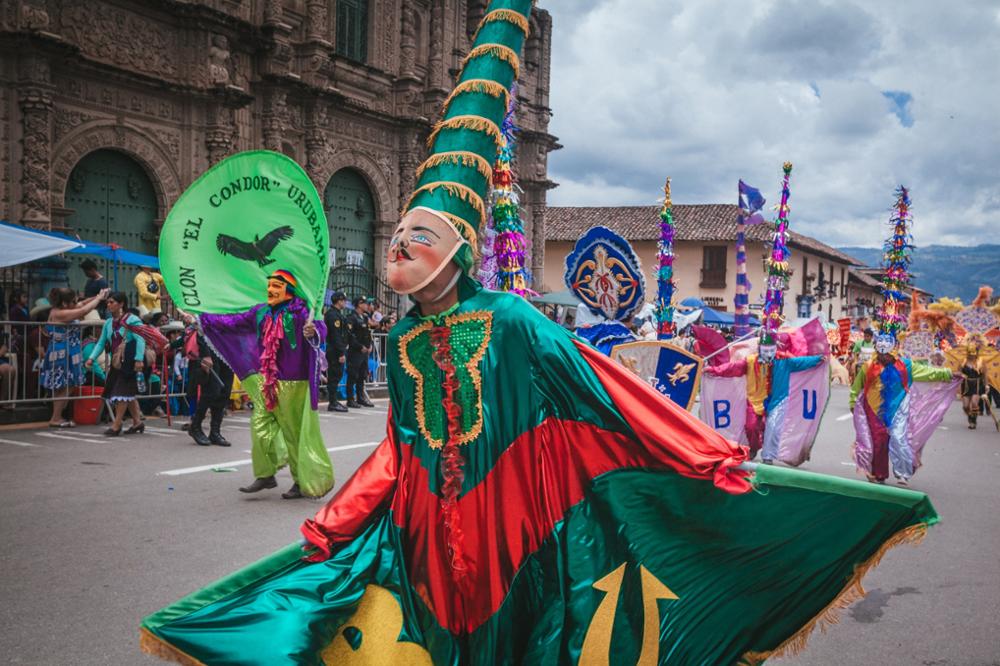
In a country that is proud yet open to the world, where 9 out of 10 inhabitants are Catholic, Christmas, Easter, and national holidays take a back seat for Cajamarca residents, who think only of one single event: their Carnival. As a result, all the songs that will be performed during this festival are rehearsed by residents again and again throughout the year leading up to the event. Light and amusing verses set to simple, pleasant, and joyful melodies. Celebration, music, dance, singing, but also water games are all part of the Cajamarca Carnival! Each year the 60,000 visitors should expect to be soaked throughout these 5 days of festivities. They should pay particular attention to water balloons that may appear above one of their shoulders...
Authentic Regional Tastings
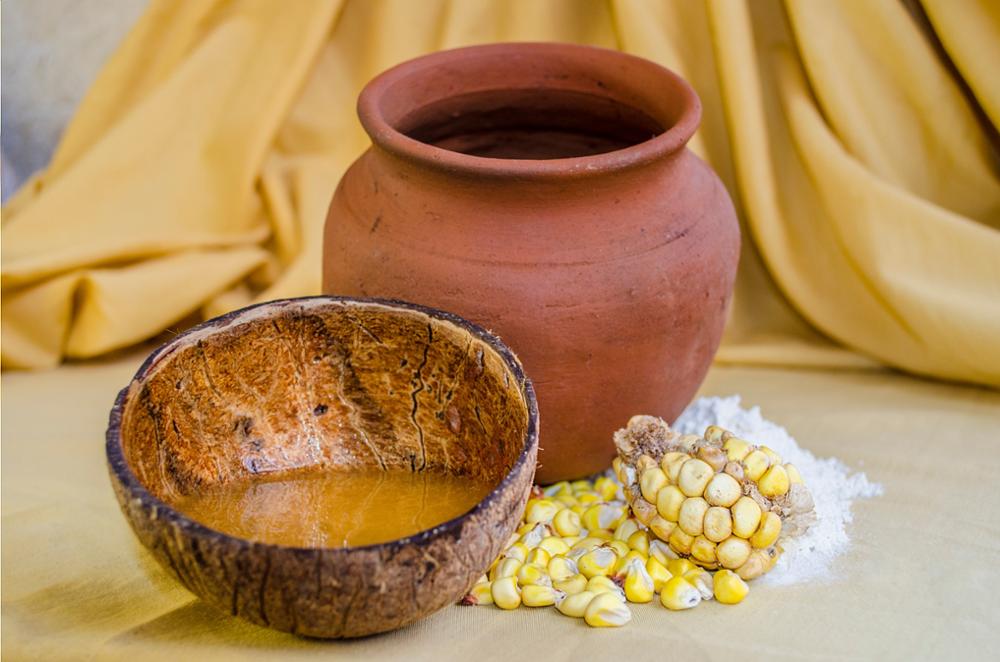
In addition to these entertaining activities, the Carnival offers visitors an array of typical regional drinks and dishes. Those that, in any case, combine well with the festive spirit. You will be able to taste the famous chicha de jora, known as the sacred beer of the Incas, or beer of the Andes, an alcoholic beverage (4.5°) made from fermented corn. Cañazo, a 70° alcohol made from sugar cane, or Peruvian rum are also on hand to satisfy the most determined carnival-goers.
The traditional dish you can enjoy during these five days is without question sancochado, a vegetable and beef stew accompanied by Peruvian bread. Residents also eat lamb and pork in a mashed potato during Carnival.
Each Day Its Own Celebration
The Cajamarca Carnival is marked by numerous festive activities organized during each of the five days of the festival. It is inaugurated on Saturday with the arrival in the city of Ño Carnavalón or "King Momo", the symbol of carnival. This grand figure reigns on his float and travels the roads of Cajamarca on the first day. Carnival-goers spread paint on people and walls as he passes by. Sunday is dedicated to the election of the Carnival Queen, which aims to choose a carnival queen to embody this character for the rest of the celebration. Candidates will campaign in the city streets accompanied by patrols to invite travelers to follow them. Monday is reserved for the Grande Corse, this event brings together countless costumed dancers followed by more than 60 brightly colored and decorated floats that parade all day long through the city's streets and alleys to enchant the spectators, to the rhythm of music eternal to Carnival.
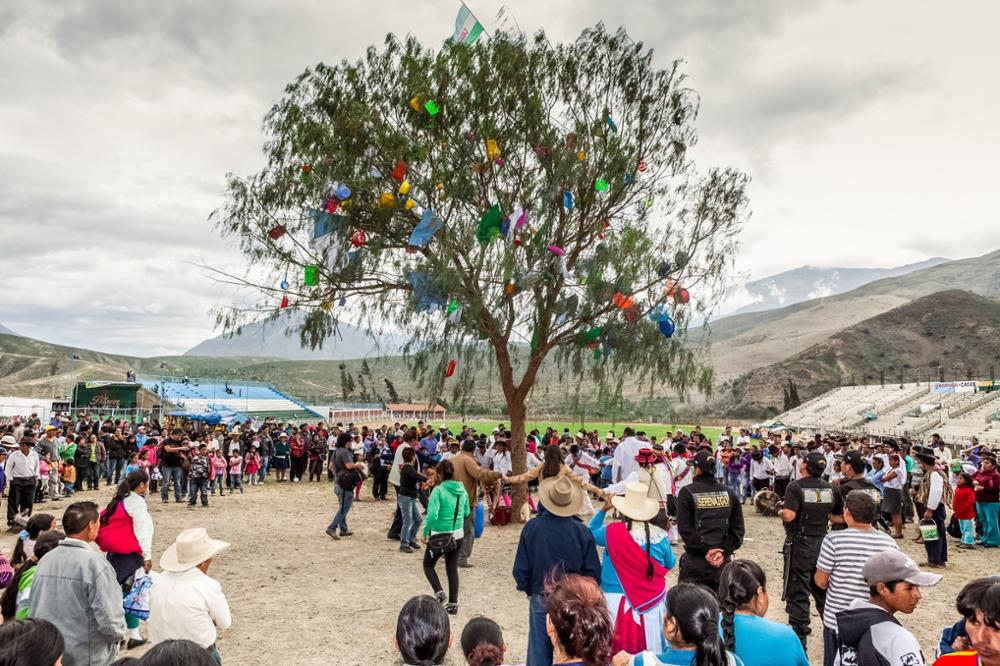
The Festival of the Unshas takes place during Tuesday. Here, couples are invited to dance in a circle around a large tree called "unsha" or "dressed tree", adorned with decorations and gifts on each branch. One person in the couple must try to cut the trunk with an axe until it falls. The duo that succeeds wins the prizes!
On the last day of Carnival, Wednesday, you will be invited to visit Baños del Inca in the suburbs of Cajamarca, 6km from the city center. This event marks the close of the festivities. You will read a satirical will in which politicians and public figures of the city are mocked. Then the carnival-goers will burn the character Ño Carnavalón to conclude the Carnival.