Two days in Cusco: the must-see attractions!
Your trip to Pérou will inevitably include a visit to the Inca citadel of Machu Picchu. To do so, a stopover in Cusco, the largest city in the area, located 130 km from the site, seems essential
Your trip to Pérou will inevitably include a visit to the Inca citadel of Machu Picchu. To do so, a stopover in Cusco, the largest city in the surrounding area, located 130 km from the site, seems essential.
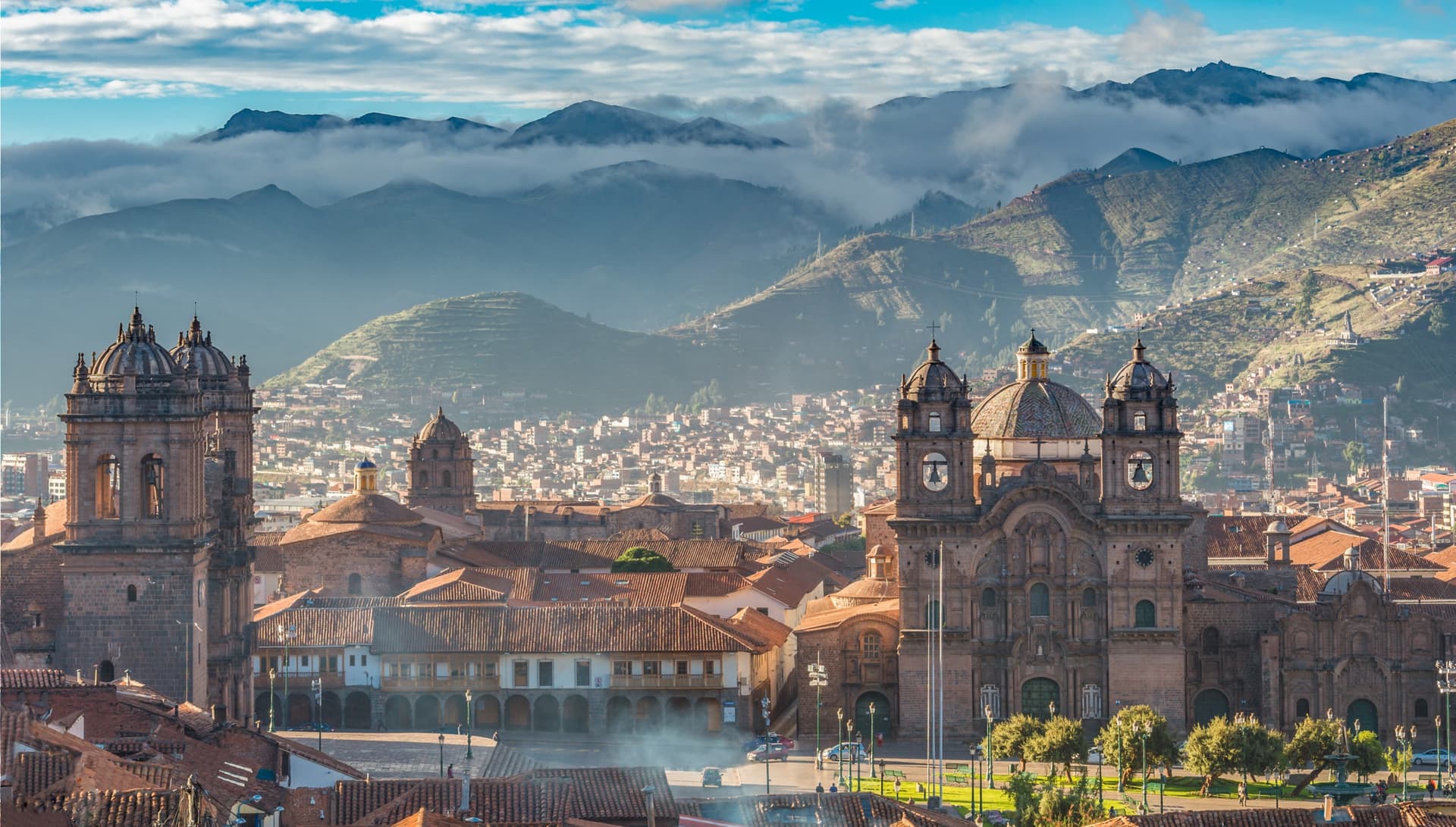
Perched at over 3,300 meters of altitude, Cusco, the former capital of Inca territory, is far more than just a transit town. Its identity, rich history, and authentic culture will certainly surprise you and spark genuine interest. The cultural capital of the continent and cradle of Inca civilization, Cusco developed between the 13th and 16th centuries under the plans of Emperor Pachacutec, the initiator of Inca expansion. Although partially destroyed by Spanish conquistadors in 1534, the city nonetheless preserves the remains of this lost civilization. The city lost much of its grandeur until the 19th and 20th centuries when, one after another, German August R. Berns discovered the ruins of Machu Picchu in 1860 without informing the rest of the world, and American explorer Hiram Bingham entered for the first time on July 24, 1911, and solicited the National Geographic Society in 1913, which then published an entire issue on this wonder. From then on, the city of Cusco regained its appeal and experienced steady tourist growth. Here are some tips to make the most of these two days in Pérou's seventh largest city.
The Inca Museum
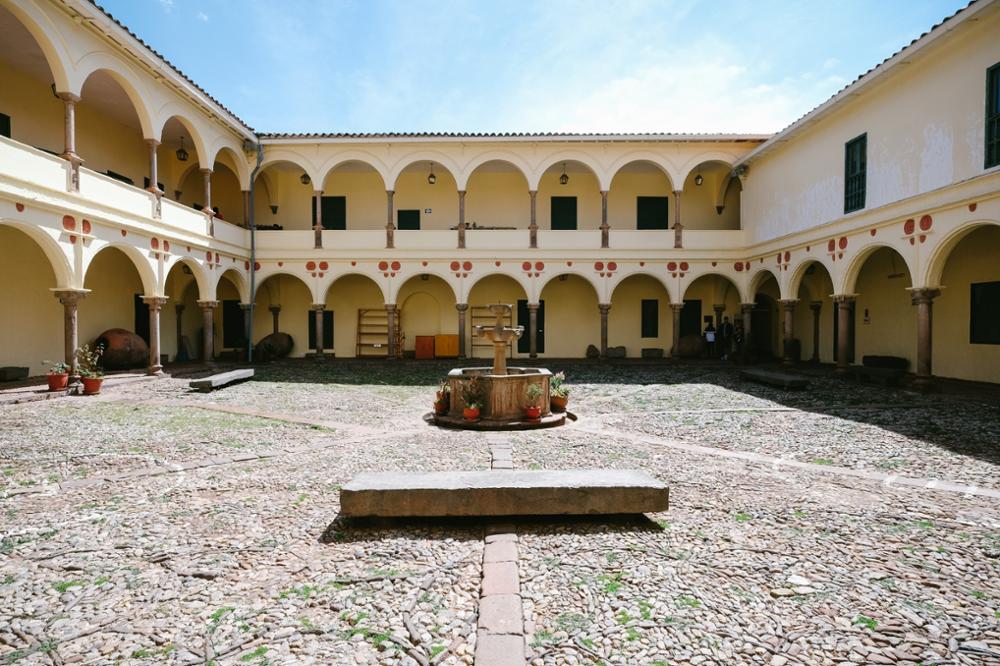
This building is the ideal place to discover the customs and traditions of this pre-Columbian civilization. Built in the 17th century in the heart of Cusco, the museum features numerous ceramic pieces, as well as jewelry pieces and period clothing. Each object is placed in its historical context, allowing for an effective visualization of its usefulness and the interest it sparked at the time. To enable total immersion, weavers from Andean communities come to showcase their craft in the museum's patio.
The Temple of the Sun
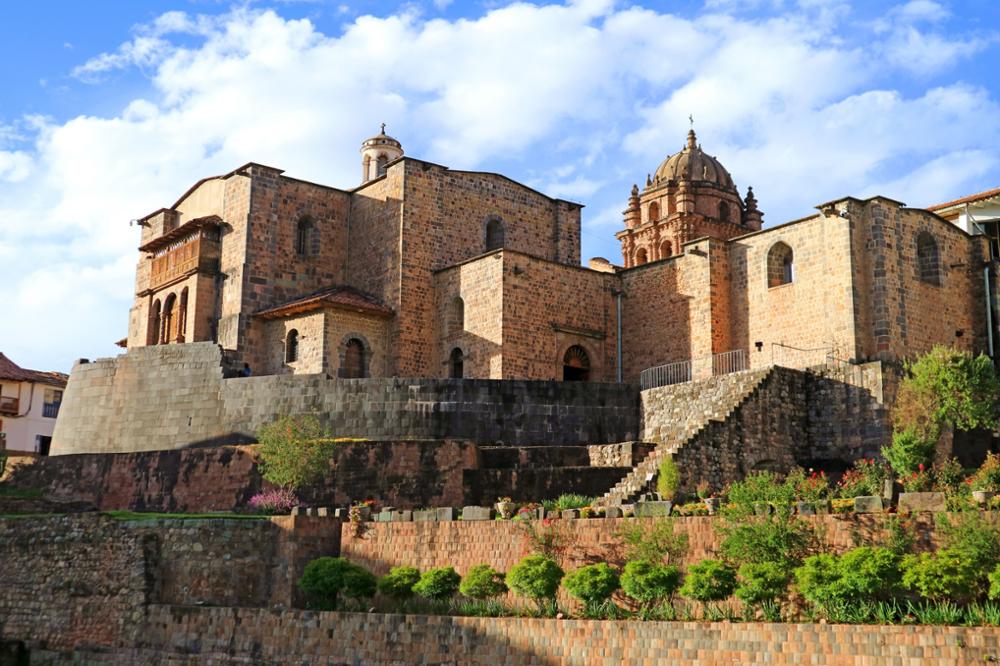
Literally translated from Quechua as the enclosure of gold, the "Q'orikancha", or Temple of the Sun, was the most important sacred site throughout the entire Inca empire. Located in the capital Cusco, the edifice served all ceremonies of the nobility: weddings, coronations, funerals, and especially the offerings ceremonies linked to seasonal cycles.The mummies of high-ranking dignitaries of the civilization were preserved here on thrones adorned with gold.Today it is a vital place in the city and its visit seems indispensable. Looted and ravaged upon the arrival of Spanish conquistadors, the temple subsequently served as the foundation for building the Santo Domingo convent. Numerous remains, frescoes, doors, and Inca statues have been recovered and are preserved inside for visits, along with some of the most beautiful temples of Tawantinsuyu, the empire of the "Four Parts".
The Machu Picchu Museum
Still with the idea of learning more about Inca civilization, this pre-Columbian period preceding the conquistador invasions that rebuilt and completely transformed the city, you can consult a previous article we wrote on important sites in the Sacred Valley near Cusco. Here we focus only on the must-see visits within the city itself.
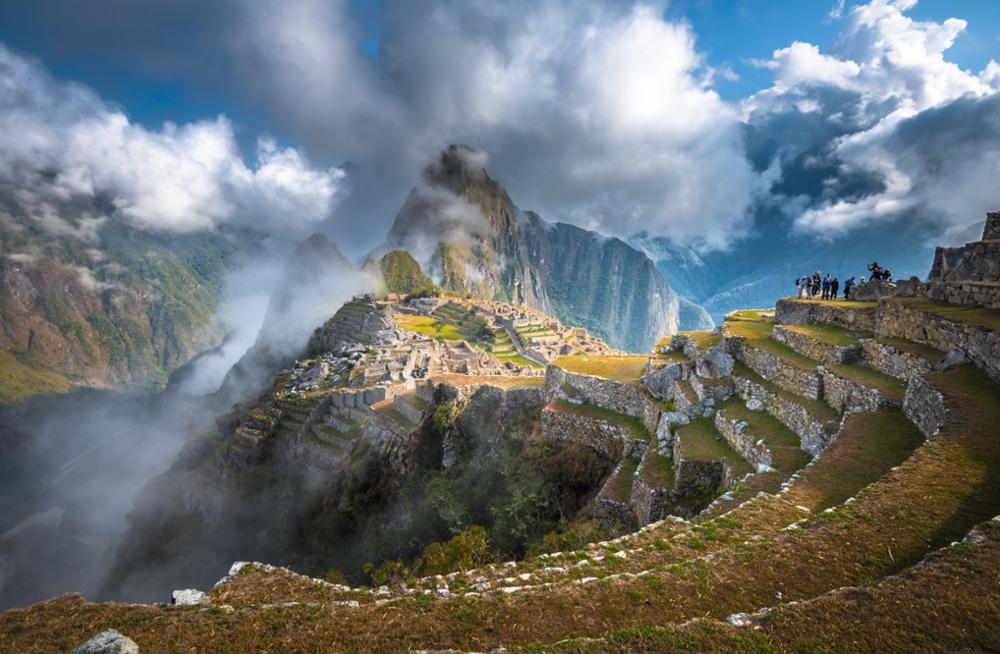
This civilization has left the world an extraordinary gift, due to its location which remained secret for so long: Machu Picchu. Before heading to this contextless place of beauty and historical significance, why not visit the Machu Picchu Museum at Casa Concha to better understand what you are about to witness? Five years after explorer Hiram Bingham revealed the existence of this citadel to the world, hundreds of artifacts found on site were sent to Yale University for examination. After lengthy negotiation processes and litigation, a portion was returned to Pérou in 2011... Today, 365 pieces are available in the museum located in the historic center of Cusco, for all travelers wishing to immerse themselves in the Inca culture of this rediscovered city.