Cusco: Visiting the Most Beautiful Churches in the City
Exploring Religious Sites and Churches in Downtown Cusco
Cusco Cathedral
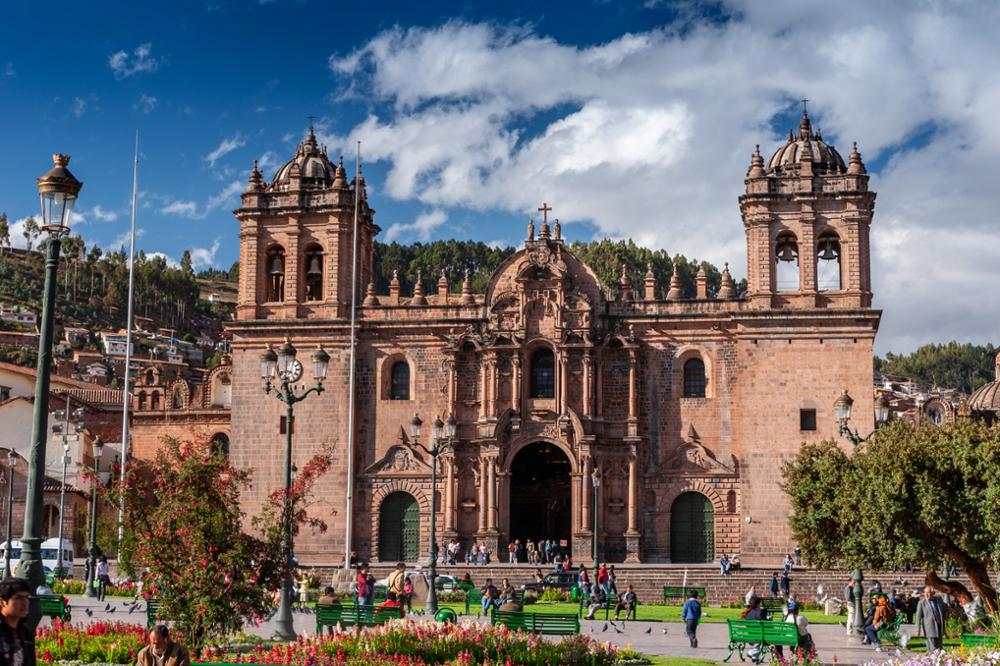
Cusco Cathedral commands attention the moment you arrive at the Plaza de Armas. It took the Spanish nearly 100 years to construct, with work beginning in 1559. A large portion of the stones used in building the cathedral were extracted from Inca buildings and temples—a deliberate Spanish strategy to dismantle a culture and impose a new one. Indeed, the cathedral's location sits directly above the former Viracocha Palace.
Entry to the cathedral costs 25 soles, or is free with a tourist ticket. Tourist hours are from 10 am to 5:30 pm. One of the cathedral's defining features—immediately striking from the Plaza de Armas—is that it is interlocked with two other churches: the Church of Jesus Maria (1733) and the Church of El Triumfo (1536). The interior is majestic, filled with numerous religious objects in gold and silver, along with an extensive collection of colonial-era art, including paintings from the Cusco School. The oldest painting dates to 1650 and depicts the city of Cusco during the great earthquake.
Magnificent woodcarvings from the 17th century adorn the cathedral, including the altar, choir, and chapels. With Perú being deeply Catholic, you'll likely witness masses celebrated each morning (between 6 am and 10 am).
The Church and Monastery of Santa Catalina
This church is also a monastery where 13 nuns still live, and visitors can discover beautiful collections of paintings and religious vestments. The church is located on Calle Arequipa in Cusco and costs 8 soles; it's open from 8:30 am to 5:30 pm Monday through Friday. A chapel features mannequins representing nuns at prayer or performing daily tasks. You can admire impressive frescoes on the walls and vaults, as well as numerous paintings from the Cusco School.
Additionally, an extensive collection of finely embroidered religious vestments is on display within the Santa Catalina church grounds.
Templo de la Merced
The Templo de la Merced is the third most beautiful church in Cusco. It was destroyed by the 1650 earthquake and rebuilt shortly thereafter. It holds several points of interest: it houses the remains of Gonzalo Pizarro and Diego de Almagro, two conquistadors who left their mark on colonial history. The church also contains a museum of religious objects and features an exceptional piece: a magnificent monstrance! Standing 1.30 meters tall and crafted from solid gold, it is adorned with 1,500 diamonds, rubies, 600 pearls, emeralds, and more—a true jewel.
A cloister beside the church houses a collection of paintings depicting the life of San Pedro de Nolasco, founder of the Mercedarian order, established in Barcelona around 1280 AD. Open 8 am to noon and 2 pm to 5 pm daily. Entry is 6 soles.
The Church of the Company of Jesus
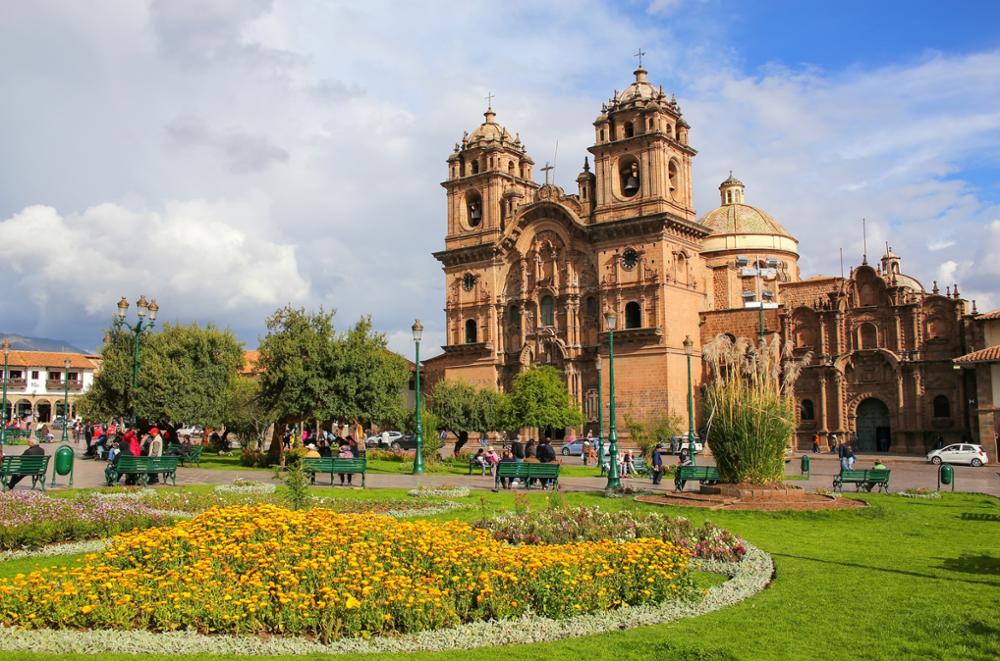
The iglesia de la compania de Jesus was built by the Jesuits in 1571 on the Plaza de Armas, then rebuilt after the 1650 earthquake. The Jesuit order intended to make this church the most beautiful in Cusco, even in Perú, which provoked the wrath of the bishop at the time, who didn't want his cathedral outshone by a Jesuit church. Though the Pope sided with the bishop, and despite administrative delays in conveying this decision, the church was ultimately completed and remains one of the most beautiful to this day, whether in daylight or after dark.
This church was built on the foundations of the Palace of the last Inca, Huayna Capac. Entry to the iglesia de la compania de Jesus costs 10 soles, or is free with a tourist ticket, available from 9 am to 11:30 am or 1 pm to 5:30 pm. You can climb to the top of the choir for an aerial view of the entire church.
The Church of Santo Domingo and Qorikancha
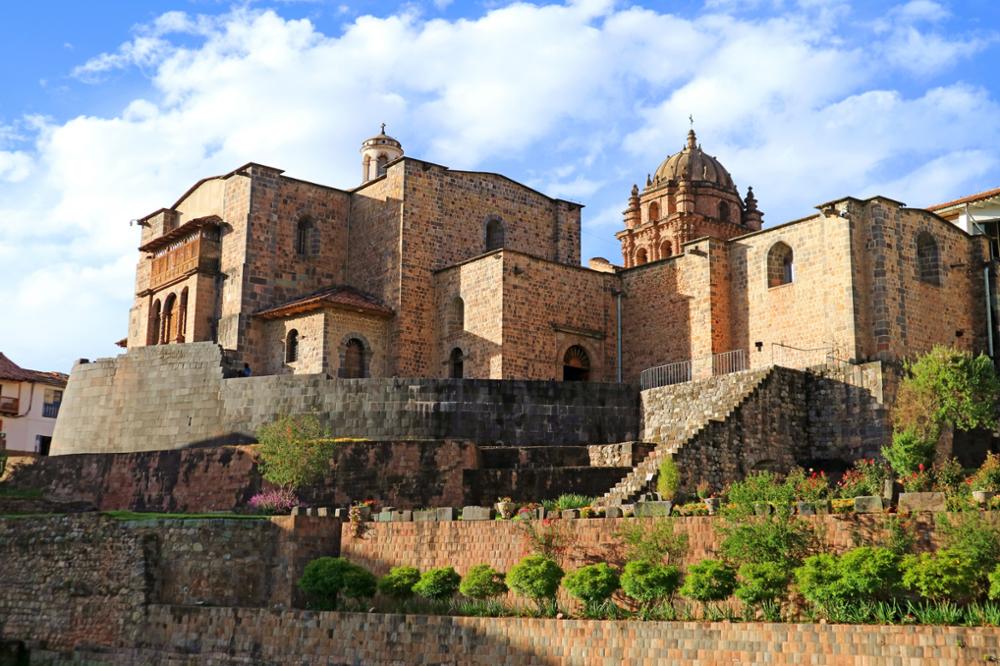
These are two adjoining sites. The Church of Santo Domingo isn't the main "attraction" per se, but it does benefit from a wonderful collection of paintings depicting archangels. No, the true beauty of the place is undoubtedly the Qorikancha, an incredible site where you can see the ruins of an Inca palace upon which a church was built. This place is said to have been the richest location in the Inca empire—the walls were covered in gold, and life-sized statues of animals were crafted from gold and silver.
Here's some good advice: if you can only choose one church to visit in Cusco, Qorikancha is the one you absolutely must see. Built in the 15th century, this temple showcases the remarkable skill of Inca builders. The temple is open Monday to Saturday from 8:30 am to 5:30 pm, and Sundays from 2 pm to 5 pm.
The Church of San Blas
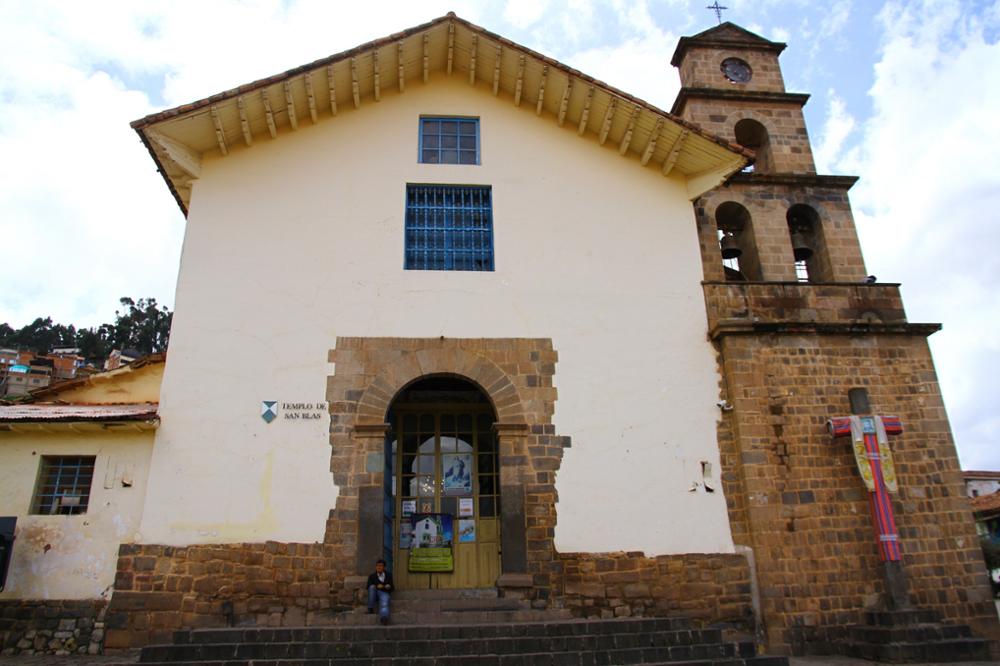
The Church of San Blas merits a small detour. While its exterior may appear modest compared to those on Cusco's Plaza de Armas, the interior is anything but understated. The altar of San Blas is fantastic—baroque in style and covered entirely in gold. You'll also find an intricately carved pulpit, carved from a single tree trunk, an exceptional piece.
Entry costs 15 soles, or is free if you have the religious ticket (boleto religioso). Open from 10 am to 6 pm Monday to Saturday and 2 pm to 6 pm on Sunday.
The Church of San Francisco
Here's an unusual church indeed! The Church of San Francisco houses a museum and crypts. In these crypts, human bones have been arranged to form poetry, demonstrating the fleeting nature of life. There's also an impressive collection of paintings, including one that holds a record: 9 by 12 meters (the largest painting in South America).
In addition to its painting collection, San Francisco Church boasts a superb carved wooden choir. Entry to the church is free Monday to Saturday from 6:30 am to 8 am and 5:30 pm to 8 pm, and Sunday from 6:30 am to noon. The museum costs only 5 soles and is open 9 am to noon and 3 pm to 5 pm Monday to Friday, and 9 am to noon on Saturday.
Pro Tip: Don't forget your Boleto religioso, a single ticket that covers entry to multiple churches, if you're planning to visit Cusco's churches.