Preparing for a trek in Peru: all our tips
Embarking on a trek during a trip to Peru means giving yourself an adventure that blends discoveries of incredible landscapes with unforgettable human experiences. But before setting off to conquer Peru's wilderness, it pays to prepare well.
Embarking on a trek during a trip to Peru means giving yourself an adventure that blends discoveries of incredible landscapes with unforgettable human experiences. But before setting off to conquer Peru's wilderness, it pays to prepare well. From the difficulty levels of treks to physical preparation, acclimatization to high altitude, and essential gear… We're sharing all our tips for properly preparing a trek in Peru.
Choosing your trek in Peru
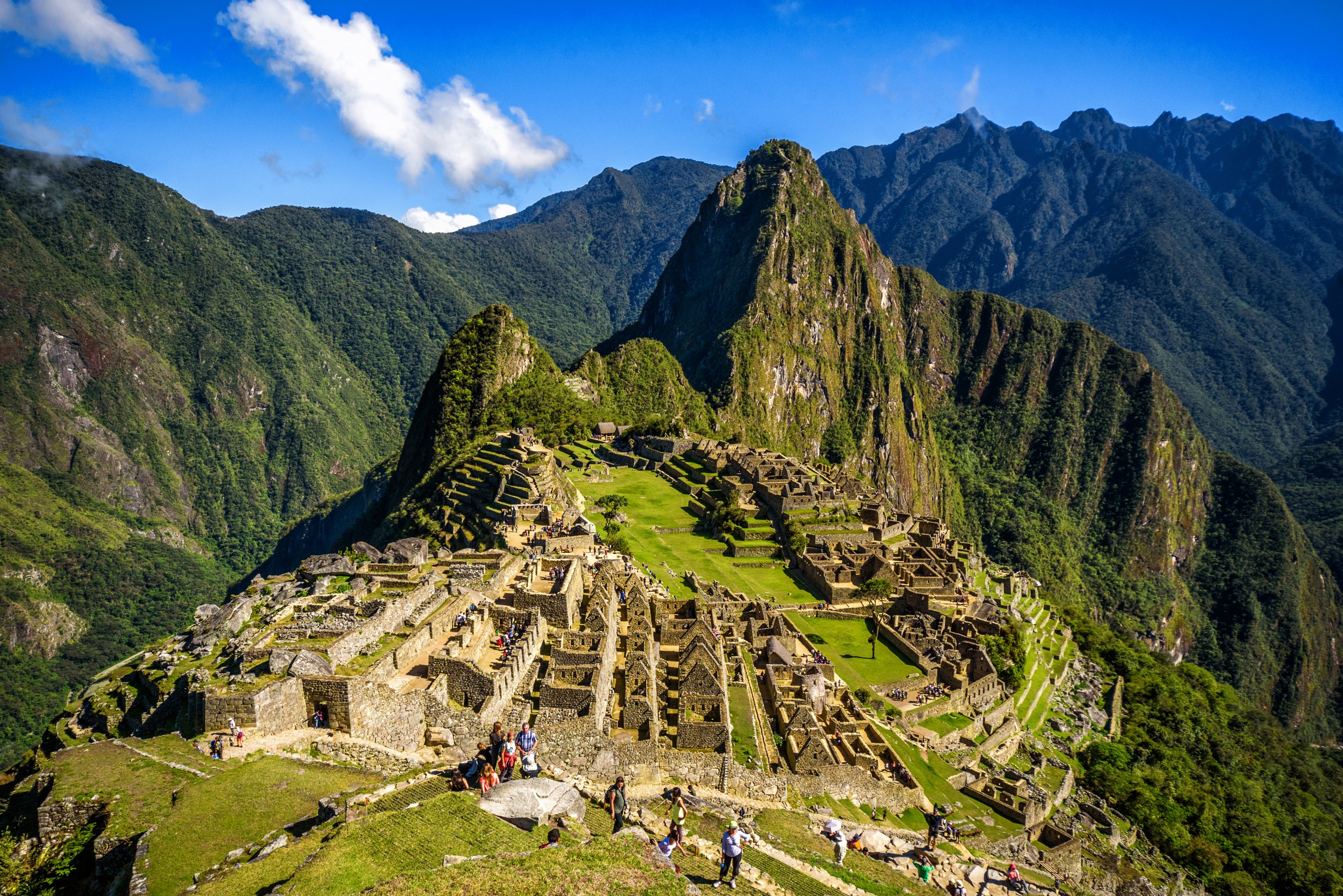
The various trekking routes in Peru can be selected based on their difficulty level. We offer several medium-difficulty treks accessible to those less athletic, as well as more challenging treks designed for experienced hikers. Whatever level you choose, all treks take you to discover the most stunning landscapes in Peru. Here are a few examples:
Medium difficulty treks:
The Southern Trail, the Colca trek, the Huchuy Qosqo trek, the Inca Trail, and the famous Sacred Valley trek.
High difficulty treks:
The Cordillera Blanca, the Huayhuash trek, the Alpamayo circuit, the citadels trek, the Ausangate Carabaya traverse, and the Ausangate circuit.

Preparing your fitness level
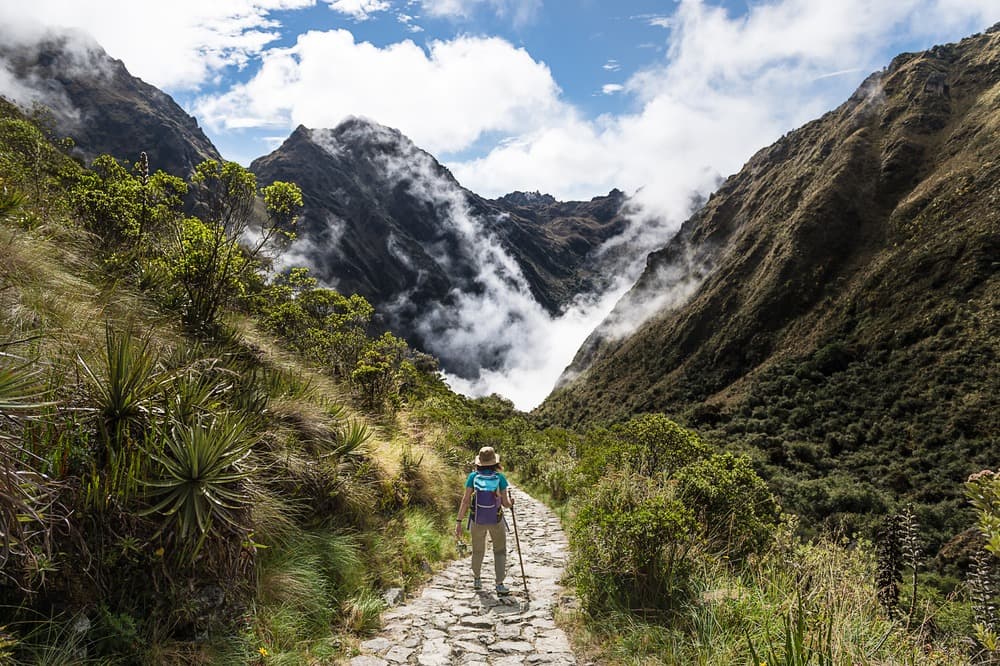
Trekking means walking for many hours each day, over several consecutive days. Before heading out on a trek in Peru, it's essential to be well prepared to avoid injury and to fully enjoy your adventure. And it all starts with good fitness. That's why it's recommended (especially for those unaccustomed and less athletic) to train for several months before departure.
For proper training, we obviously recommend doing several hikes but also building your endurance and cardiovascular fitness through activities like cycling, running, or swimming. You can also include strength training. To get used to elevation changes, don't hesitate to hike in mountainous terrain, gradually increasing the intensity of your outings.
Beyond physical fitness, having the right mindset is essential for embarking on a trekking adventure. Remember that a positive attitude, good adaptability, and team spirit (if you're in a group) will help you succeed in your ascent.
In any case, we recommend consulting your doctor before your trip to Peru. They may suggest a stress test to verify your health status.
Preventing altitude sickness
High-altitude trekking doesn't require the same physical effort and conditions as hiking on flat terrain. Indeed, when you reach the 3,000-meter altitude threshold, your body experiences oxygen deprivation, which can cause what's known as Acute Mountain Sickness (AMS). That's why it's essential to plan an acclimatization period before starting your trek.
In Peru, mountain sickness is called soroche. You may experience altitude-related symptoms while climbing peaks (such as the Ticlio pass for example) or visiting natural parks at very high altitude (like Huaraz, Huascaran, Puno region…). You may even feel some symptoms simply upon arriving in Cusco.
Symptoms of altitude sickness:

The most common symptoms of acute mountain sickness are headaches, significant fatigue, and sleep disturbances. These symptoms typically appear in the first few days and may persist during the acclimatization period. If they continue, mention them to your guide and don't push yourself. Mountain sickness can also cause nausea, loss of appetite, and dizziness. In this case, it's highly recommended to descend to a lower altitude. In the most severe cases, acute mountain sickness can lead to pulmonary edema or cerebral edema. Remember that the best thing to do to avoid problems is to listen to your body.
Note that altitude sickness can affect anyone, whether someone in excellent health with great fitness or someone more fragile and less athletic.
Our tips to prevent altitude sickness:
To prevent altitude sickness during your trek in Peru, we recommend taking at least one full day of rest after a long plane journey or other transport. For proper acclimatization, it's essential to spend at least 48 hours at altitude before starting your trek. Once you've reached the 3,000-meter altitude threshold, it's recommended not to climb more than 800 meters of elevation gain per day.
In general, we advise you to:
- bring headache medication just in case,
- avoid alcohol and tobacco consumption before and during your high-altitude stay,
- walk more slowly, breathe calmly, and avoid overexertion,
- avoid eating too much on the first day of the trek,
- favor foods rich in iron and copper (found in leafy greens, eggs, dried fruits and nuts),
- stay well hydrated during exertion and rest periods, even if you don't feel thirsty.
Hiring a guide
To enjoy your trek in Peru under the best conditions, we can only recommend hiring an English-speaking guide who will accompany you throughout your adventure. They can help you during your acclimatization period and will share all their insider knowledge about Peru's beauty. With your local agency Amerika Voyages, you can benefit from guides who specialize in each region.
Regarding accommodation during your trek in Peru, depending on the route you've chosen, you may sleep in tents (spacious tents adapted to mountain cold, designed for two or three people maximum) at camps set up by muleteers, or at the site's camping area. Some circuits also offer the option of staying with local families.
As for muleteers and cooks, they're typically provided based on the number of participants. If there are only two of you, the guide handles cooking and mules (or porters) are optional.
What to pack
Among the essential gear to bring for your trek in Peru, you can include:
- a small, lightweight daypack for personal items not carried by mules or porters,
- a sleeping bag resistant to low temperatures (comfort rating of -15°C),
- warm and breathable clothing,
- accessories to protect against high-altitude cold (gloves, hat, scarf…),
- sun protection accessories (sunglasses, sunscreen, hat…),
- good waterproof hiking boots,
- trekking poles,
- a headlamp,
- a water bottle, and
- a personal first aid kit.
Given the temperature variations in Peru's mountainous landscapes, we recommend dressing in layers. The idea? Stack three layers: the first layer to stay dry (breathable), the second to stay warm (thermal clothing), and the third to protect against wind and rain (waterproof).
When to go trekking in Peru
The best time to trek in Peru, whether in the Andes mountain range or through the Amazon rainforest landscapes, is during the dry season, from April through November. Note that during this period, you'll experience significant temperature swings. In other words, days are pleasant and sunny, but nights are much colder, especially at high altitude where temperatures often drop below freezing!
Discover all our trekking circuits in Peru