Acute Mountain Sickness (AMS) in Perú: How to Avoid It?
Perú is a high-altitude destination. With must-see destinations like Cusco and Lake Titicaca situated at altitudes above 2,500 meters
Perú is a high-altitude destination. With must-see destinations like Cusco and Lake Titicaca situated at altitudes above 2,500 meters, you'll need to prepare for "soroche," acute mountain sickness (AMS). But don't worry—with proper acclimatization and the advice we're about to share, your stay in Perú's highlands will go smoothly.
Acute mountain sickness: what is it?
Acute mountain sickness (AMS) is a set of symptoms caused by oxygen deprivation at high altitude. Its effects are felt as soon as you reach 3,500 meters, though they can also occur from 2,500 meters in particularly sensitive individuals.
Called soroche in Perú, symptoms typically appear 4 to 8 hours after arriving at altitude. They manifest as headaches, shortness of breath, dizziness, sleep disturbances, nausea, and loss of appetite.
These signs, often mild, diminish with acclimatization and disappear when descending to lower altitudes.
In rarer cases, AMS can lead to serious complications such as pulmonary edema and cerebral edema. The outcome can be fatal without medical intervention and/or rapid descent.
Good to know:
AMS can affect beginners and experienced athletes alike. It doesn't depend on your training or physical condition. Some very experienced mountaineers may suffer from it, while others less accustomed to high mountains might experience only mild headaches. AMS affects fewer than one in ten people.
Soroche in Perú
Mountain sickness should not be taken lightly during a trip to Perú because many points of interest are located at altitude.
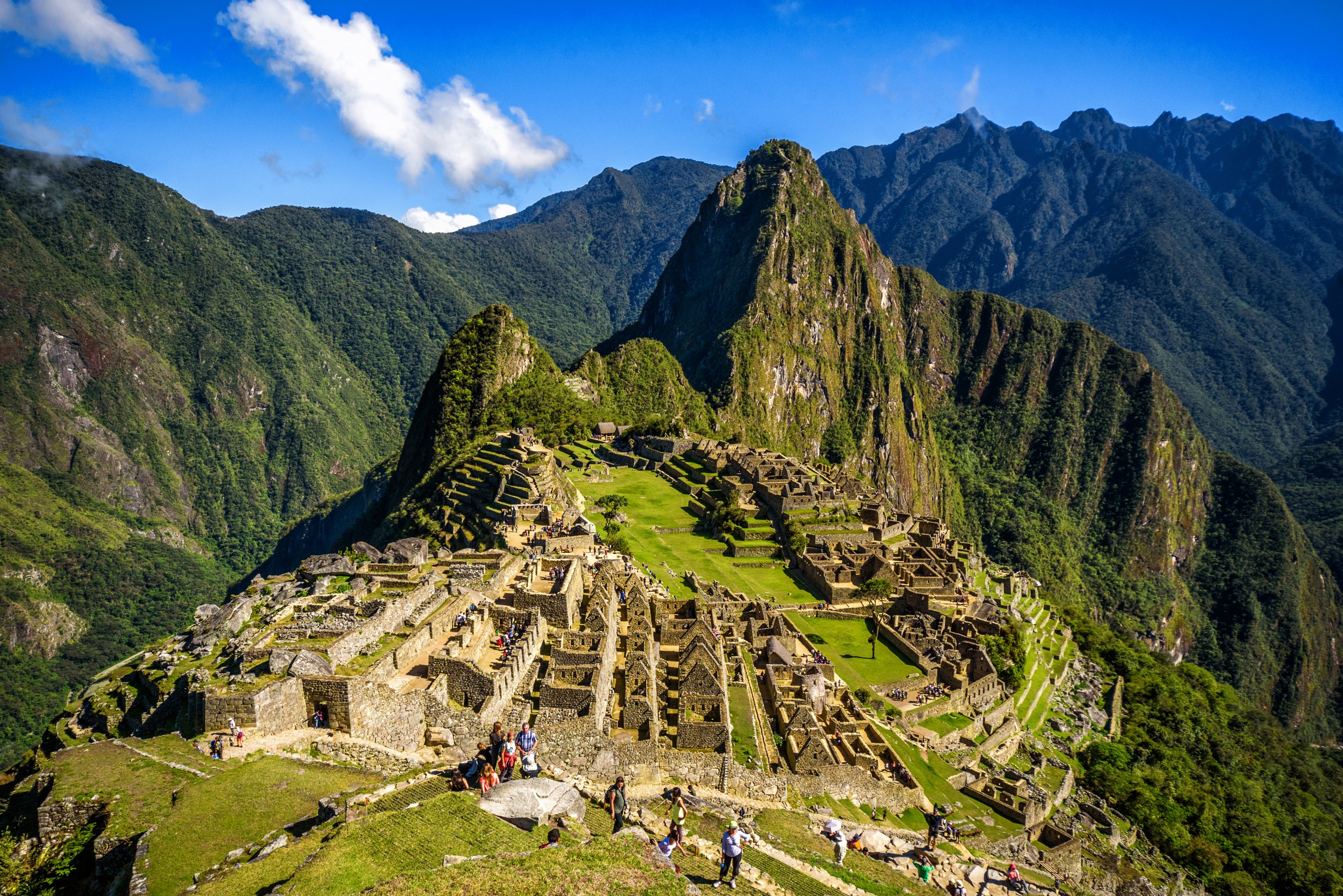
Cusco (3,399 meters): An emblematic city of Perú near the Sacred Valley of the Incas and Machu Picchu. Upon arrival, whether by bus or plane, you may experience soroche symptoms.
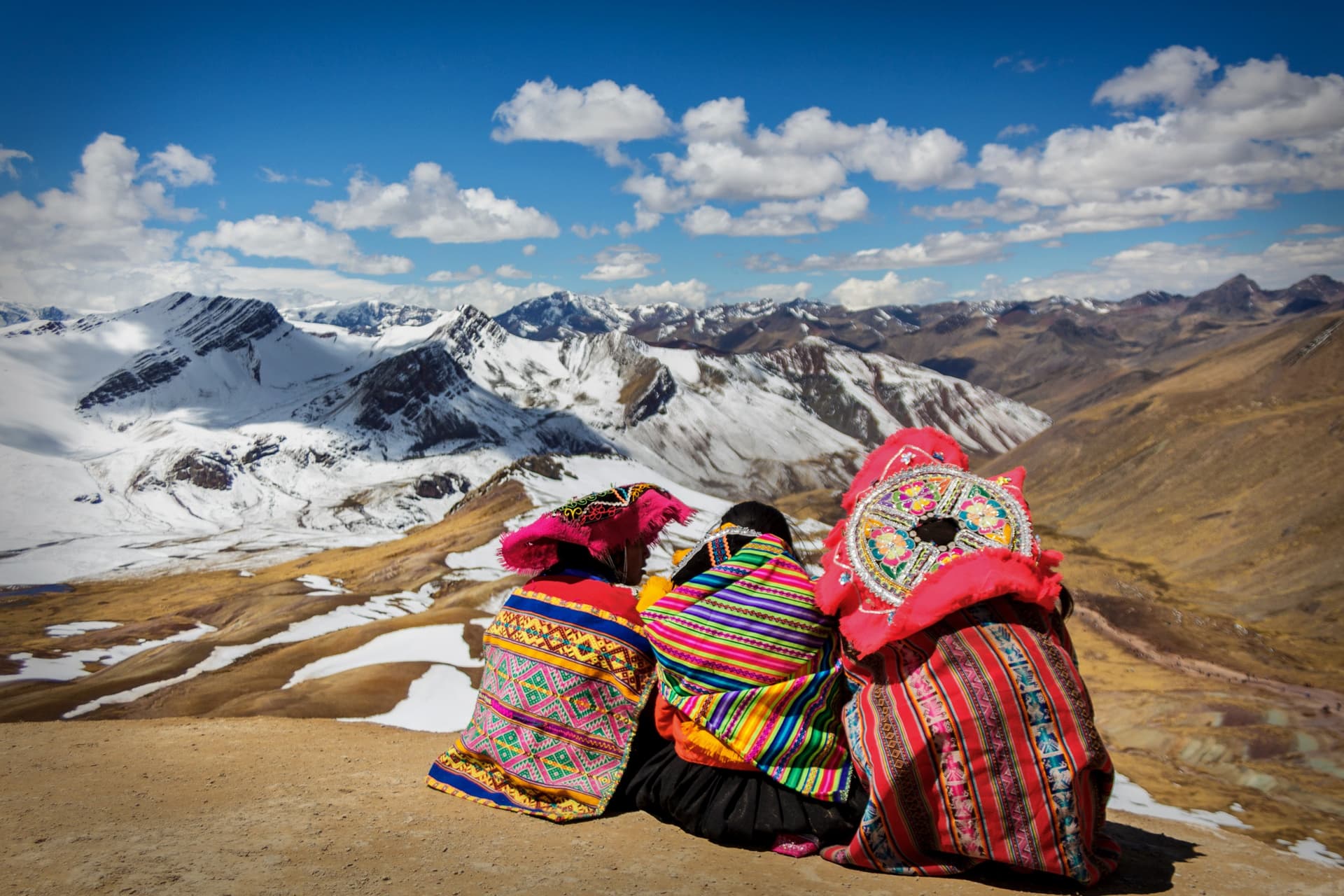
Rainbow Mountain (5,200 m): Located in the Cusco region, the Vinicunca mountain is today one of the must-see places during a trip to Perú. It is essential to be well acclimatized before undertaking this hiking route.
Huaraz (3,052 m): In northern Perú, it is the capital of its namesake region and the ideal place to organize mythical treks in the Cordillera Blanca (Laguna 69, Santa Cruz trek, Pastoruri glacier, etc.).

Lake Titicaca (3,812 meters): Straddling Perú and Bolivia, it is the world's highest navigable lake. On its shores, the village of Puno is the starting point for many excursions on the lake from the Peruvian side.
How to avoid soroche in Perú?
We are not all equal when it comes to mountain sickness; its effects are quite unpredictable from one person to another. Some will feel only fatigue while others will experience multiple symptoms.
Above 3,500 meters, it is difficult not to suffer from soroche. Certain essential rules can help limit its effects or better manage them.
Acclimatize gently
This is the golden rule to follow: take time to acclimatize. Rest for two to three days after arriving at altitude, limiting physical exertion. Walk slowly, take naps, avoid unnecessary effort, and take regular breaks during your first explorations in the city, for example. In short, conserve your energy!
It is essential to be well acclimatized before embarking on a trek in Perú. It all depends on the altitude at which you arrive and the altitude at which you begin the trek. Generally, if you follow basic recommendations correctly from arrival, you can start an easy trek or acclimatization trek around Cusco between 3,800 m and 4,600 m (for example, our Huchuy Qosqo trek, which also allows you to discover the ancient royal road between Cusco and the former palace of the great Sapa Inca Wiracocha, a site that has undergone restoration work). For a trek starting higher with passes at greater altitudes, you should plan several days of visits before setting out. Treks in the Ausangate Cordillera, for example, or in the Carabaya range with passes around 5,000 m require good physical condition and proper acclimatization.
Stay hydrated
To avoid dehydration, drink as much as possible even if you don't feel the need. Your body will tend to retain water, which will cause headaches. Drink 3 to 4 liters of water throughout the day, before and during your arrival at altitude. This is a great opportunity to taste the typical Andean beverage: mate. This infusion of coca leaves is renowned for attenuating the effects of soroche, so take full advantage of it!
Eat light
For your first meals at altitude, we advise you to eat light to facilitate digestion. This is not about skipping meals but rather avoiding large feasts. In any case, you'll quickly notice that you'll have much less appetite for the first few days at altitude.
Avoid smoking and drinking alcohol
Due to oxygen deprivation, you'll quickly feel shortness of breath and difficulty breathing normally. Smoking is therefore not recommended as it would aggravate the situation. Similarly, avoid consuming alcohol for the first few days. Its effects are felt much more quickly at altitude and won't help your body acclimatize properly.
Taking medication
Pack paracetamol in your backpack to relieve headaches. Diamox is a diuretic known for relieving the effects of poor altitude acclimatization. However, this medication, which is available by prescription, can have side effects. It is preferable to consult your doctor for medical advice on this medication before your trip.
Amerika Voyages trips and AMS
All our trips are planned to minimize the effects of AMS as much as possible, and we have had very few serious cases in the 12 years we've been operating. Arrivals in Cusco from Lima generally don't pose problems if you follow the precautions mentioned above, even with a trek a few days later.
As for trips departing with a flight from Lima to Arequipa, spending the first night in this city at 2,700 m allows you to continue your journey comfortably. Traveling from Arequipa to the Colca Canyon (average: 3,000 m) gives you a chance to test yourself, as the road passes through a pass at 4,900 m. We make a short panoramic stop there before descending into the Canyon, which isn't enough to experience severe AMS. Spending the next night at 3,000 m before heading to Lake Titicaca (3,810 m) helps complete your acclimatization.
For more information on Acute Mountain Sickness, we recommend contacting ARPE, the Association for Research in Environmental Physiology, in Sallanches, Haute-Savoie.
Frequently asked questions
The effects of acute mountain sickness (soroche) can manifest from 2,500 meters in sensitive individuals. Generally, they are more pronounced above 3,500 meters. Destinations like Cusco (3,399 m) and Lake Titicaca (3,812 m) are therefore affected from arrival.
Symptoms typically appear 4 to 8 hours after arriving at altitude: headaches, shortness of breath, dizziness, nausea, sleep disturbances, and loss of appetite. These signs are often mild and disappear with acclimatization. In case of severe symptoms (confusion, significant breathing difficulties), you must descend immediately and consult a doctor.
It is recommended to plan a minimum of 2 to 3 days of rest in Cusco (3,399 m) before undertaking a trek. For hikes at higher altitudes such as in the Ausangate or Carabaya Cordilleras (passes around 5,000 m), longer acclimatization and good physical condition are essential.
Diamox (acetazolamide) is a diuretic medication known to help prevent and reduce the effects of AMS. It is available by medical prescription. As it can cause side effects, it is strongly recommended to consult your doctor before departure to determine if this prescription is appropriate for your situation.
Coca leaf infusion, called coca mate, is the traditional Andean remedy for soroche. It is recognized locally for attenuating symptoms such as headaches and fatigue. While it doesn't replace gradual acclimatization, it remains a hydrating and soothing beverage recommended upon arrival at altitude in Perú.
No, a visit to Rainbow Mountain (Vinicunca, 5,200 m) requires proper acclimatization beforehand. It is essential to have spent several days in or around Cusco before undertaking this hiking route. Good physical condition is also recommended due to the exertion required at this altitude.